Chemical Processing
Iran Inaugurates World's Largest Olefin Complex
Iran's 'Tenth Olefin Project,' also known as the Jam Petrochemical Complex, the largest olefin complex in the world, was inaugurated on ...
Released Thursday, June 26, 2008
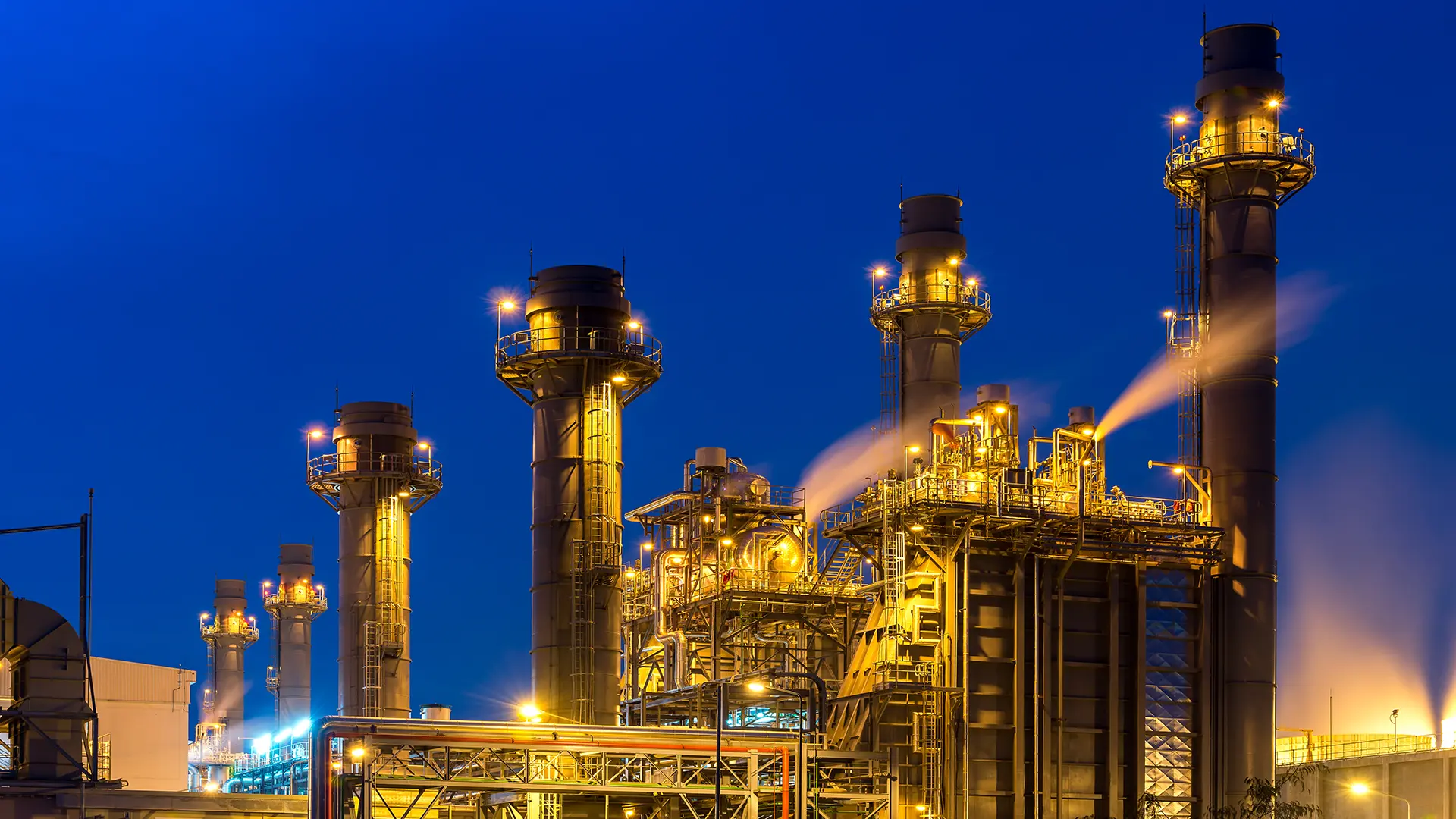
Researched by Industrial Info Resources (Sugar Land, Texas)--Iran's 10th Olefin Project, also known as the Jam Petrochemical Complex (JPC), the largest olefin complex in the world, was inaugurated on June 17 at the Pars Special Economic Energy Zone in the Assaluyeh region of southern Iran. With a final production capacity of 1.32 million tons per year of high-density polyethylene (HDPE), low-density polyethylene (LDPE) and polypropylene, the plant will serve as a source of input-feed for units in the production of plastics, industrial parts and automobile parts. Raw materials such as ethane, butane, propane, raffinate, and other compounds will be procured from the Borzuyeh Complex, Pars Petrochemical Complex and the South Pars Complex.
Iran's state-owned National Petrochemical Company (Tehran, Iran) holds a stake of 49.7% in the project, while Social Insurance Investment Company and Retirement Fund Investment Company own 25.8% and 24.5% of the project, respectively. The main contractors involved in the project are Technip (OTC:TKPPY) (Paris, France), Krupp Uhde GmBH (Dortmund, Germany), Maire Tecnimont (BIT:MT) (Rome, Italy), Nargan Engineers & Constructors (Tehran, Iran) and Sazeh Consultants (Tehran, Iran).
The JPC project has been constructed over an area of 77 hectares, more than 40 hectares of which was reclaimed from the sea. Construction of the unit commenced in 2000, and target production for the plant was set at 3.3 million tons per year of linear LLDP, heavy polyethylene, ethylene propylene and other by-products.
Iran plans to bring 12 petrochemical projects valued at $4.73 million online by March 2009. Projects slated to become operational in the current fiscal year include the LDPE-production facility at Amirkabir Petrochemical Complex, the vinyl chloride and polyvinyl chloride units at Arvand Petrochemical Complex, the LDPE, HDPE and mid-density polyethylene projects at Arya Sasol Petrochemical Complex, the Centralized Utility Project at Fajr Petrochemical Complex, the sixth ammonia and urea facility at Ghadir Petrochemical Complex, the butadiene unit at JPC, Phase I of the isocyanide plant at Karoon Petrochemical Complex, the HDPE facility at Mehr Petrochemical Complex, the EP unit at Morvarid Petrochemical Complex and the ethylene benzene and styrene monomer projects at Zagros Petrochemical Complex.
In May 2008, Iran sought financial assistance from China to invest in the nation's downstream petrochemical industry and to set up an olefin complex at Assaluyeh. Last year, Iran and Sasol (NYSE:SSL) (Johannesburg) jointly invested $1.3 billion in the Ariyasasol Olefin Complex to bring a 1 million-ton-per-year ethylene unit into operation. Saudi Basic Industries Corporation (SABIC) (SAU:2010) (Riyadh, Saudi Arabia) has made investments in the 300,000-ton-per-year light polyethylene plant at the Laleh Petrochemical Complex in the Mahshahr Special Economic Zone. Hanza-Chemistry (Germany) and Comator (Sweden) established the Karoon Petrochemical Complex for production of isocyanides. Venezuela and Iran have partnered to develop two complexes in each country for the production of 1.65 million tons per year of ethanol. An Oman-based company has made a joint investment with Iran in the development of the Hormoz Petrochemical Complex at Assaluyeh.
The Oil Ministry of Iran aims to achieve domestic production of 12 million tons per year of ethylene, 10 million tons of polymer, 8.5 million tons of urea, and 4 million tons of aromatics by 2015. Iran also plans to achieve production of 7.5 million tons per year of methanol by the end of the ongoing Fifth Development Plan Period, March 2005 to March 2010. Iran currently has a petrochemical production capacity of 35 million tons per year and expects to increase production to 47 million tons per year by March 2009 with investments of around $30 billion.
View Project Report - 95000023 95000085 95000103 95000109 95000125 95000154
Industrial Info Resources (IIR) is a marketing information service specializing in industrial process, energy and financial related markets with products and services ranging from industry news, analytics, forecasting, plant and project databases, as well as multimedia services.
/news/article.jsp
false
Want More IIR News Intelligence?
Make us a Preferred Source on Google to see more of us when you search.
Add Us On GoogleAsk Us
Have a question for our staff?
Submit a question and one of our experts will be happy to assist you.

Forecasts & Analytical Solutions
Where global project and asset data meets advanced analytics for smarter market sizing and forecasting.
Explore Our Solutions
Industrial Project Opportunity Database and Project Leads
Get access to verified capital and maintenance project leads to power your growth.
Discover Our DatabaseIndustry Intel
-
2026-2027 Investment Radar for Mexico, Central America & the CaribbeanPodcast Episode / May 29, 2026
-
Innovations Shaping the Next Era of Power GenerationPodcast Episode / May 22, 2026
-
The Role of Contract Manufacturing in Global Pharma GrowthPodcast Episode / May 8, 2026
-
2026 North American Labor OutlookPodcast Episode / Apr 24, 2026
-
2026 European Metals & Minerals Project Spending OutlookPodcast Episode / Apr 7, 2026