Pharmaceutical & Biotech
Oy Vey! Israel's Generic King Teva to Pay $7.5 Billion for Barr Pharmaceuticals
Teva Pharmaceutical Industries Limited (NASDAQ:TEVA) (Jerusalem, Israel) has made a $7.46 billion agreement to purchase Barr Pharmaceuticals Incorporated ...
Released Monday, July 21, 2008
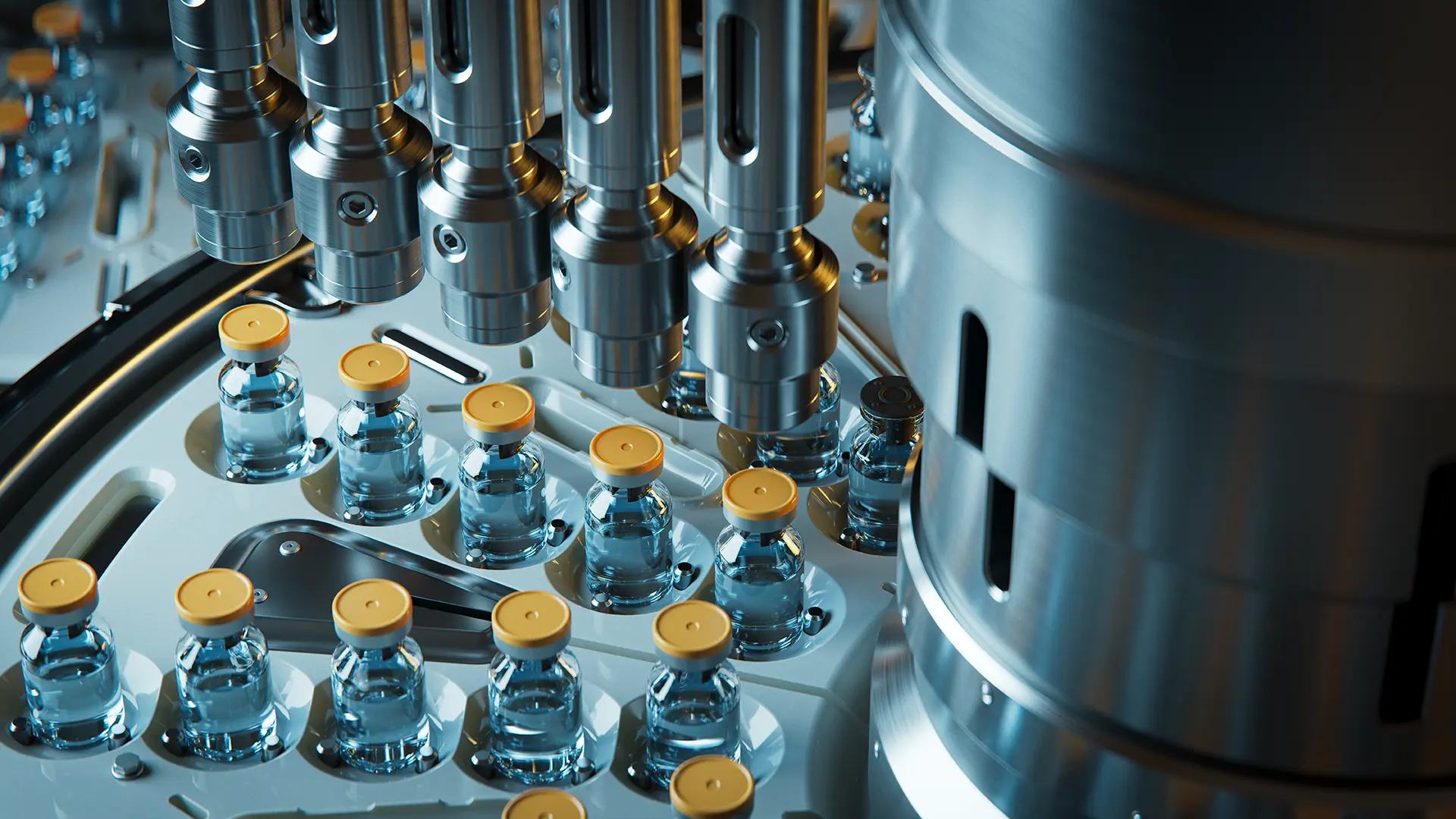
Reported by Annette Kreuger, Industrial Info Resources (Sugar Land, Texas)--Merger and acquisition activity has become such a regular part of today's Pharmaceutical Industry as to be almost commonplace, unless of course the dollars involved and the impact on the industry are big. Big as in billions of dollars big. Such is the case of Teva Pharmaceutical Industries Limited's (NASDAQ:TEVA) (Jerusalem, Israel) $7.46 billion agreement to purchase Barr Pharmaceuticals Incorporated (NYSE:BRL) (Woodcliff Lake, New Jersey). Already the world's largest generic producer, the acquisition of Barr, the world's fourth largest generic company, will serve to solidify Teva's place at the top. With all of the merger and acquisition activity in this segment, the rest of the company rankings are becoming increasingly fluid, with this deal pulling one company out of the lineup and pushing other companies closer to the elusive top of the heap.
Rumors over the impending deal increased Barr's share price 22% from its Wednesday, July 16, closing price of $57.17. When rumor became fact on Thursday, the Teva price for Barr common stock worked out to $66.50, along with the assumption of a net debt of approximately $1.5 billion.The transaction is expected to be complete by the end of 2008. According to a statement by Teva, if the two companies had been operating as one in 2007, the combined revenue would have been close to $12 billion. When Barr is absorbed into Teva, the company will have operations in more than 60 countries and employ about 37,000 people worldwide.
Generics are not the only thing to be sold by the companies. Barr is currently the largest producer of oral contraceptives in the U.S., selling generic versions of Yasmin and many other popular contraceptives. It also sells 27 brand-name drugs, including the contraceptive Seasonique and the Plan B emergency contraceptive. Teva has a new, branded multiple sclerosis drug, Copaxone, and is developing experimental drugs for other neurological diseases, cancer and immune and inflammatory disorders.
The combined company will have over 500 currently marketed products and more than 200 abbreviated new drug applications pending with the Food and Drug Administration (FDA). Annual brand sales will be greater than $120 billion. The companies have approximately 70 first-to-file Paragraph IV challenges and approximately 3,700 product registrations pending with various regulatory authorities worldwide, primarily in Europe.
Generics are reviled by Big Pharma for slashing blockbuster profits as soon as brand patents run out. The drugs are embraced by consumers and insurers by offering a low-cost alternative to branded medicine. The generics segment of Pharmaceutical Industry is on course to grow to triple the size of patented drugs. The sector is forecast to experience a global gain of up to 15% in 2008 by reaching more than $70 billion, according to an IMS Health report. A major driver fueling the growth is the entry of multiple copycat products taking on a number of blockbuster drugs. The full release of the Medicare Part D benefit program for seniors also feeds the growth of generics by providing expanded drug access to those who previously had minimal or no drug coverage.
As patent expiration dates loom, the majors are slashing the prices of many of their own drugs in order to compete with their generic rivals. However, the race to discover new drug therapies is hampered by several factors. Nearly every major ailment already has a number of effective therapeutics on the market, forcing the industry to seek solutions on a much smaller scale, targeting rare illnesses or fighting secondary complications arising from common ailments.
Drug products in the U.S. have always enjoyed some form of patent protection grandfathered in under the patent protection offered to chemical products. The two forms of patent protection that cover drugs involve the manufacturing process of the drug and the drug's actual chemical formula. Changes to accommodate and compensate the industry because of the expense and time involved in drug development were enacted in 1984, courtesy of the Hatch-Waxman exemption. Known formally as the Drug Price Competition and Patent Term Restoration Act, drug companies began to benefit from both longer and more frequent extensions for drug patents as opposed to those issued for other patented products. As a result, industry estimates place the ensuing increase of protection offered at approximately five additional years.
About $20 billion in annual sales are threatened in 2008 as a substantial number of patented and profitable drugs are on course to lose their patent protection. The list includes Risperdal (an antipsychotic), Fosamax (osteoporosis treatment) and Topamax (migraine treatment). These expirations follow the course embedded in 2006 when two Big Pharma majors experienced prized blockbusters being cut loose into the generic fray. Pfizer's antidepressant Zoloft ($3.3 billion sales in 2005) and Merck's Zocor, a cholesterol-cutting drug ($4.4 billion in 2005 sales) both shed patent protection in 2006.
Virtually all major therapeutic categories now have generic versions. It is estimated that generic prescriptions will account for more than two-thirds of domestic prescriptions written next year. From an insurer's standpoint, simple economics limits the number of name-brand (patented) drugs being placed in the "full-coverage" or preferred tier, when much lower-cost generic versions are available.
The Biotech sector is not immune from its own looming battles for patent protection on those drugs once thought impossible to duplicate. Again, the upcoming election has uncovered a number of advocates calling for the removal of barriers blocking generic drugs and for the creation of a pathway toward biopharmaceutical generic approvals at the FDA. Nevertheless, the manufacturing of many of these compounds is very difficult and costly to duplicate. Produced from "live" proteins as opposed to the raw chemical ingredients used in the production of traditional pharmaceuticals, even if approvals are sought and won, constructing and validating the necessary production plants to make these substances would take years. At this point, the FDA is somewhat overwhelmed with this issue and would have to carve out an entire new division to deal with generic biopharmaceutical approvals.
Industrial Info Resources (IIR) is a marketing information service specializing in industrial process, energy and financial related markets with products and services ranging from industry news, analytics, forecasting, plant and project databases, as well as multimedia services.
/news/article.jsp
false
Want More IIR News Intelligence?
Make us a Preferred Source on Google to see more of us when you search.
Add Us On GoogleAsk Us
Have a question for our staff?
Submit a question and one of our experts will be happy to assist you.

Forecasts & Analytical Solutions
Where global project and asset data meets advanced analytics for smarter market sizing and forecasting.
Explore Our Solutions
Industrial Project Opportunity Database and Project Leads
Get access to verified capital and maintenance project leads to power your growth.
Discover Our DatabaseIndustry Intel
-
2026-2027 Investment Radar for Mexico, Central America & the CaribbeanPodcast Episode / May 29, 2026
-
Innovations Shaping the Next Era of Power GenerationPodcast Episode / May 22, 2026
-
The Role of Contract Manufacturing in Global Pharma GrowthPodcast Episode / May 8, 2026
-
2026 North American Labor OutlookPodcast Episode / Apr 24, 2026
-
2026 European Metals & Minerals Project Spending OutlookPodcast Episode / Apr 7, 2026