Metals & Minerals
East and West African Gas, Oil and Iron Resources Propel Growth Rates Above 6%
Sub-Saharan Africa has survived the global downturn in relatively better shape than many other regions, particularly those in the West. Africa's growth recovery since 2000
Released Tuesday, November 06, 2012
Written by Richard Finlayson, Senior International Editor for Industrial Info Resources (Sugar Land, Texas)--Sub-Saharan Africa has survived the global downturn in relatively better shape than many other regions, particularly those in the West. Africa's growth recovery since 2000, which was the longest expansion since countries became independent from colonial rule, has been based on improved macroeconomic policies and political stability and, says the World Bank. The prospects of sustained growth are strong.
Relatively resilient domestic demand and robust export growth in countries with new mineral discoveries in recent years are expected to underpin economic growth in 2012. Overall gross domestic product (GDP) is projected to grow at a rate of 4.8%, which is only marginally lower than the 4.9% rate for 2011. If the region's largest economy, South Africa, is excluded, the growth rate is 6%, and 33% of Sub-Saharan countries will be growing at or above 6%.
The South African mining and industrial scene has gone through violent unrest in the course of 2012. Lives and production have been lost. Upward wage adjustments will continue in 2013. A coherent approach to the problems by the government, businesses and labor is being sought out; however, many of the problems in these industries, such as wage inequality and union factionalism, have not been resolved. Most parties appear to be aware of the great potential of South Africa's gigantic resource reserves, but the present impasse has to be resolved before the next stage of development can begin.
There is evidence of the global slowdown affecting the region. In South Africa, the most globally integrated economy in the region, export growth on a seasonally adjusted annualized basis was down 32% in the second quarter of 2012, and export growth in Kenya and Botswana contracted at rates of -2% and -20%, respectively.
After reaching $42.4 billion in 2011, private capital flows to the region are expected to fall to $36.6 billion in 2012. However, given the still relatively high levels of commodity prices and the ongoing resource prospecting and exploration (particularly in East and West Africa), foreign direct investment (FDI) flows are expected to remain resilient, steadying at about $31 billion, compared to $32.5 billion in 2011.
The region's established oil producers represent less than 10% of global reserves and annual production. Nigeria, the largest regional producer, can keep supplying at 2011 levels for 41 years, and Angola, the second-largest, has about 21 years left at current production levels. The depth of these reserves is likely to see the continuation of oil dependency in the near- to medium-term. New oil countries, such as Ghana and Uganda, have reserves that could also last for several years.
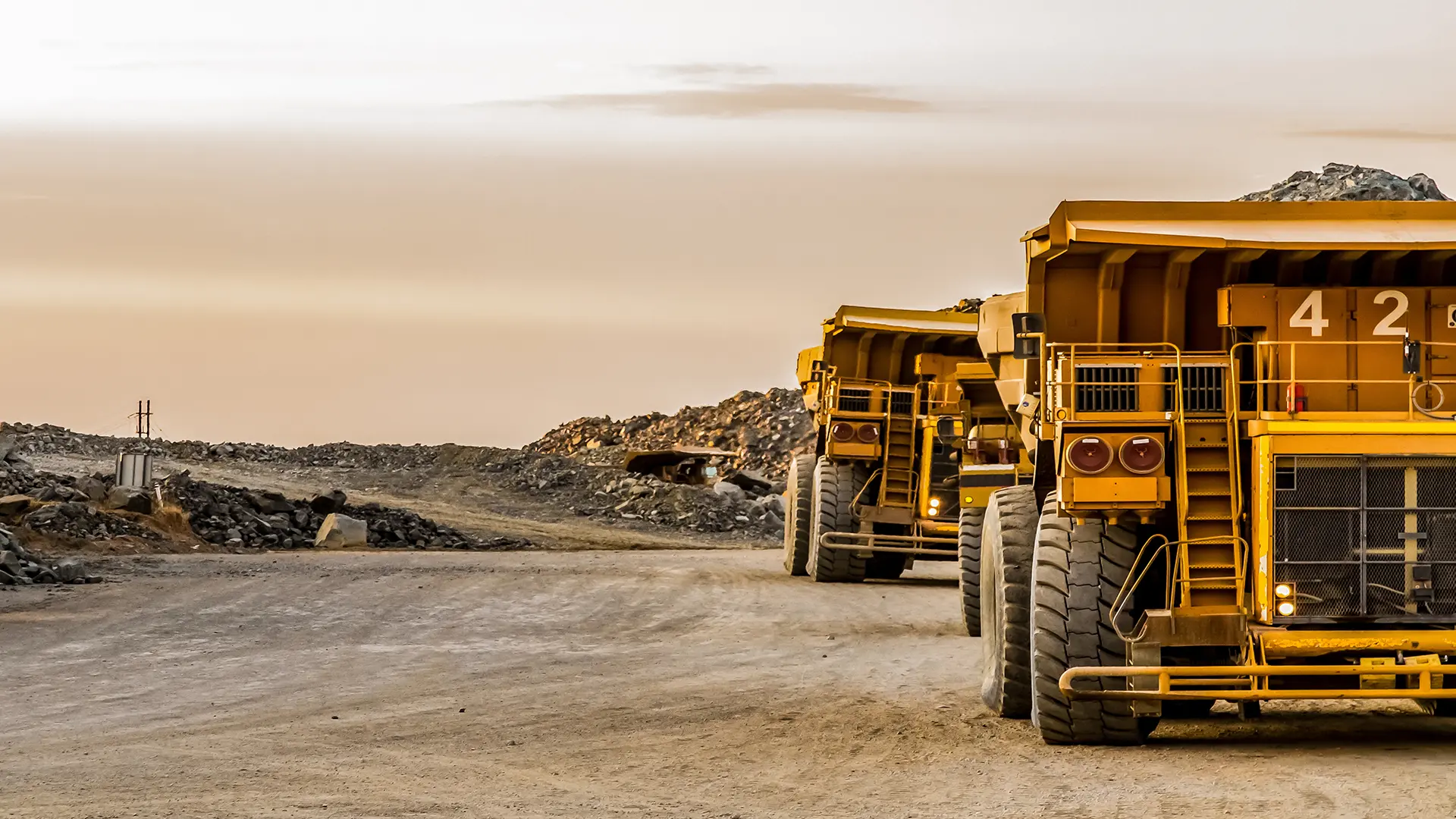
The size and range of mineral resources continues to grow. South Africa is the world's fourth-largest producer of iron ore and gold. The country is No. 1 in platinum production and is fifth-largest for steam coal. Guinea has about 10% of bauxite production; Zambia and the Democratic Republic of Congo (DRC) have a combined share of 6.7% of global copper production; and Ghana and Mali together account for 5.8% of the world's gold production.
Ernst & Young (E&Y) has been outlining the big future for African gas production. The sector's growth has been concentrated in West Africa, where gas resources accompanied the deepwater oil boom, led by Nigeria and Algeria. While the West African gas growth will continue as flaring is reduced and local gas infrastructure is developed, the big future for African gas growth lies in East Africa, particularly in Mozambique and Tanzania.
"While the risk rankings overall in Africa are quite high, for many countries the 'risk trend' is improving," said Eric Pungong, E&Y's oil and gas leader for Africa. "Most important, though, the opportunities for Africa in this sector are enormous, and the challenges and risks can be addressed and mitigated."
The ramp-up in exploration and production (E&P) activity brings opportunity for the oilfield services segment, not just for the big international offshore (oil and gas industry) players, but also for the local and regional companies that can contribute to the supply chains and to associated upstream support infrastructure. The broader infrastructure build-out could include massive export facilities, as in the case of liquefied natural gas (LNG), but also smaller projects, such as pipelines and gas distribution networks to support local and regional gas demand.
The associated development or expansion of domestic gas demand also could bring substantial commercial opportunities in the power generation, industrial and even transportation sectors. Many of the gas-flaring reduction efforts are tied to domestic gas use projects, Pungong said.
East Africa is established as one of the key emerging areas for fossil-fuel development in the world. GlobalData says that 64 oil and gas discoveries have been made in the continent's emerging markets over the last five years. The majority of these discoveries were made in East Africa in Uganda, Mozambique and Tanzania.
One problem facing East Africa's boom is the shortage of trained oil and gas workers. Governments are now investing in training programs, but in the short- to medium-term, there will have to be a tradeoff. Also, governments will need to relax rules requiring companies to employ local people.
There is the potential for an iron ore boom in West Africa, although investments in the short-term could go down as the ore price reacts to slowing customer activity. But the iron ore is high quality (more than 60% iron content), and many of the new projects are scheduled to begin operations in 2018 and beyond. Investment decisions are based on long-term real price estimates for iron ore, so current spot prices will have little impact.
China will have a major impact on developments in energy and mineral resources on the continent, as will India and other Asian importers who are looking to own or have stakes in major projects. Both major and junior western mining companies are well represented in the new scramble for Africa.
China's export-import bank (Exim) currently devotes between 33% and 50% of its activities to Africa. China Exim Bank (CEB) and China Development Bank awarded $120 billion in loans between 2009 and 2010, according to the Financial Times. The rating agency Fitch estimates that $67.2 billion of CEB loans were for African projects between 2001 and 2010, which is more than the World Bank's $54.7 billion over the same period. In Sub-Saharan Africa, CEB was the source of 92% of Chinese investment in infrastructure projects from 2001 to 2007.
A selection of real GDP forecasts for 2013 from the International Monetary Fund show that there are a significant number of Sub-Saharan countries s that are set for growth that is well above the prevailing norms in most of the rest of the world.
The two figures given for each country are the 2012 GDP rate followed by the 2013 rate: Democratic Republic of Congo, 7.1% - 8.2%; Cote D'Ivoire, 8.7% - 7%; Ethiopia 7.0 % - 6.5%; Ghana 8.2% - 7.8%; Guinea 4.8% - 5.0%; Kenya 5.1% - 5.6%; Mozambique 7.5% - 8.4%; Nigeria 7.1% - 6.7%; Rwanda 7.7% - 7.5%; South Africa 2.6% - 3%; Tanzania 6.5% - 6.8%; Uganda 4.2% - 5.7%; Zambia 6.5% - 8.2%; Zimbabwe 5% - 6%.
Industrial Info Resources (IIR), with global headquarters in Sugar Land, Texas, and eight offices outside of North America, is the leading provider of global market intelligence specializing in the industrial process, heavy manufacturing and energy markets. Industrial Info's quality-assurance philosophy, the Living Forward Reporting Principle, provides up-to-the-minute intelligence on what's happening now, while constantly keeping track of future opportunities.
/news/article.jsp
false
Want More IIR News Intelligence?
Make us a Preferred Source on Google to see more of us when you search.
Add Us On GoogleAsk Us
Have a question for our staff?
Submit a question and one of our experts will be happy to assist you.

Forecasts & Analytical Solutions
Where global project and asset data meets advanced analytics for smarter market sizing and forecasting.
Explore Our Solutions
Industrial Project Opportunity Database and Project Leads
Get access to verified capital and maintenance project leads to power your growth.
Discover Our DatabaseIndustry Intel
-
2026-2027 Investment Radar for Mexico, Central America & the CaribbeanPodcast Episode / May 29, 2026
-
Innovations Shaping the Next Era of Power GenerationPodcast Episode / May 22, 2026
-
The Role of Contract Manufacturing in Global Pharma GrowthPodcast Episode / May 8, 2026
-
2026 North American Labor OutlookPodcast Episode / Apr 24, 2026
-
2026 European Metals & Minerals Project Spending OutlookPodcast Episode / Apr 7, 2026