Production
DoE Panel Recommends Changes to Improve Hydraulic Fracturing
A U.S. Department of Energy (DoE) (Washington, D.C.) panel said that a variety of operational, regulatory and communications steps could be taken to reduce the environmental...
Released Monday, August 15, 2011
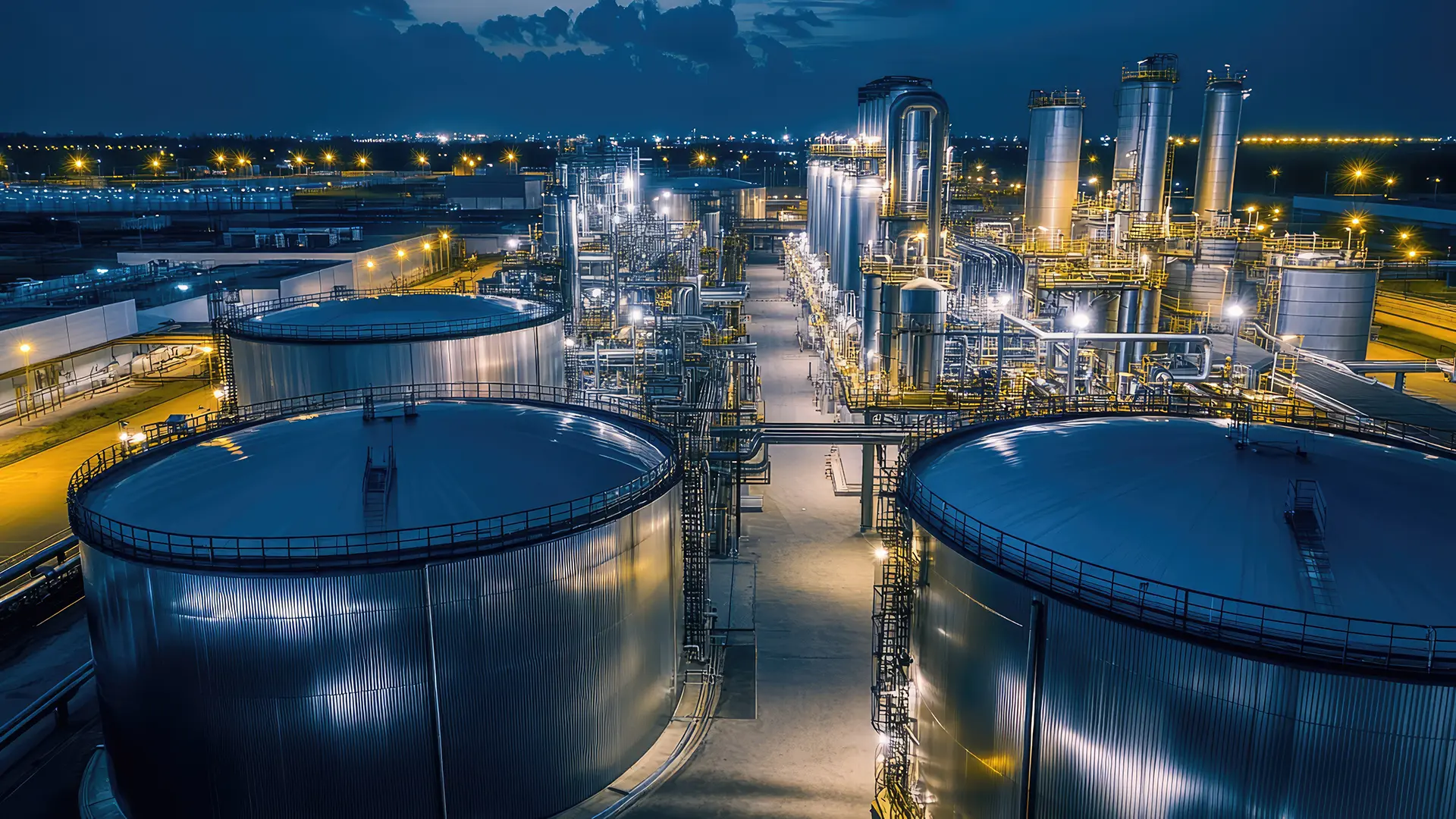
Written by John Egan for Industrial Info Resources (Sugar Land, Texas)--A U.S. Department of Energy (DoE) (Washington, D.C.) panel said that a variety of operational, regulatory and communications steps could be taken to reduce the environmental impacts of hydraulic fracturing and lower public concerns about the process. The panel's report, released August 11, was immediately criticized by environmental organizations. Energy-industry trade groups, on the other hand, gave it a wary reception, neither criticizing it harshly nor warmly embracing its findings.
The report called for improvements in the monitoring and disposing of wastewater from shale wells. It also said that stricter standards on air pollution and greenhouse gases may be needed. The report also called for the creation of a federal database and web portal so that the public can better monitor drilling operations.
In May, President Barack Obama asked Secretary of Energy Steven Chu to convene an advisory panel of experts that would provide a preliminary report on immediate steps that could be taken to reduce the environmental impact of hydraulic fracturing. The hydraulic fracturing process uses large volumes of water under high pressure, mixed with chemicals and proppants like sand, to shatter shale rock and release gas trapped in it. The panel's preliminary report will be followed by a final report, which is due in November.
The preliminary report from the seven-member panel, chaired by John Deutch, former head of the Central Intelligence Agency, recognized how horizontal drilling and hydraulic fracturing have transformed the natural gas industry and shifted fundamental assumptions about the U.S. natural gas resource. "Natural gas is a cornerstone of the U.S. economy, providing a quarter of the country's total energy," the report said. "Owing to breakthroughs in technology, production from shale formations has gone from a negligible amount just a few years ago to being almost 30% of total U.S. natural gas production.
Shale gas production could reach 45% of domestic gas production by 2035, according to the U.S. Energy Information Agency (EIA), the statistical branch of the DoE. The shale gas revolution "has brought lower prices, domestic jobs and the prospect of enhanced national security due to the potential of substantial production growth," the report noted. Businesses and consumers have benefitted from lower natural gas costs and reduced upward pressure on electricity prices.
But the rapid growth of shale gas resources "has also brought questions about whether both current and future production can be done in an environmentally sound fashion that meets the needs of public trust," the Aug. 11 report said.
The panel was not asked to make specific policy or legal recommendations. Indeed, the panel's report comes as a flurry of other federal initiatives on fracking are already under way. The U.S. Environmental Protection Agency (EPA) (Washington, D.C.) is conducting a scientific assessment of hydraulic fracturing's impact on drinking water. And the New York Times reported that the U.S. Securities & Exchange Commission (SEC) (Washington, D.C.) has subpoenaed several Oil & Gas companies regarding their disclosure to investors about the costs, risks and long-term production curve estimates of their shale gas wells. And the General Accountability Office (GAO) (Washington, D.C.), the investigative arm of Congress, was recently assigned to research similar and other questions related to drilling.
Nonetheless, the DoE report listed a number of specific steps that could be taken to lower the environmental impact of hydraulic fracturing, which, it added, should defuse public concern over the process. The steps included changes to:
- Improve public information about shale gas operations
- Improve communication among state and federal regulators
- Improve air quality
- Protect water quality
- Disclose fracturing fluid composition
- Reduce the use of diesel fuel
Noting the concerns about, and in some cases intense opposition to, shale gas development, the report commented, "there are serious environmental impacts underlying these concerns. These adverse environmental impacts need to be prevented, reduced and, where possible, eliminated as soon as possible. Absent effective control, public opposition will grow, thus putting continued production at risk."
Left unaddressed, the potential environmental consequences of increased reliance on shale gas "will grow to a point that the country will be faced a more serious problem," the report commented. "Effective action requires both strong regulation and a shale gas industry in which all participating companies are committed to continuous improvement."
Barry Russell, president and chief executive of the Independent Petroleum Association of American (IPAA), said the report "presents a useful starting point for further discussions." The group, which represents independent oil and gas companies that have developed much of the shale-gas resource in the U.S., said the report "marks another instance where evaluation of shale gas development using hydraulic fracturing concludes--on balance--that the current state and federal regulatory processes are effectively protecting the public while allowing the development of America's abundant natural gas."
Russell said the DoE report "stands in stark contrast to the strident, hysterical demands for moratoria on hydraulic fracturing. Shale gas extraction is a construction process that requires heavy equipment and confronts difficult challenges. Communities need to understand that the industry and the regulators recognize that there are environmental risks to development and effectively manage those risks. But, communities also need to fully understand that there will be disruptive activities during drilling and industry needs to improve its response to local concerns."
Jack Gerard, president and chief executive of the American Petroleum Institute (API), said he welcomed the panel's report but found its recommendations "disappointing and confusing. The committee's recommendations are deficient in large part because the committee failed to adequately acknowledge existing programs and rules. It called for new air emission standards when comprehensive EPA rules already are in place or are being revised. It recommended reduction in use of diesel engines, oblivious or dismissive of the practical and economic considerations that require their use. And it ignored consideration of the potential benefits and costs of new rules, an omission that could cause harm to consumers, jobs and the economy."
Gerard said API "is committed to appropriate environmental protections and industry best practices, but is concerned that the subcommittee's recommendations could end up frustrating the many benefits that will come from further development of America's vast supply of natural gas, including the creation of hundreds of thousands of new jobs and increasing our nation's energy security. We urge the committee to revise its recommendations to better reflect the facts on hydraulic fracturing, the extensive regulations under which the industry operates and the industry's new best practices."
Industrial Info Resources (IIR) is the leading provider of global market intelligence specializing in the industrial process, heavy manufacturing and energy markets. IIR's quality-assurance philosophy, the Living Forward Reporting Principle, provides up-to-the-minute intelligence on what's happening now, while constantly keeping track of future opportunities.
/news/article.jsp
false
Want More IIR News Intelligence?
Make us a Preferred Source on Google to see more of us when you search.
Add Us On GoogleAsk Us
Have a question for our staff?
Submit a question and one of our experts will be happy to assist you.

Forecasts & Analytical Solutions
Where global project and asset data meets advanced analytics for smarter market sizing and forecasting.
Explore Our SolutionsRelated Articles
-
Alberta Heralds Start of New CCS ProjectJune 08, 2026
-
Trans Mountain Pipeline Could Accommodate More Crude OilJune 08, 2026
-
Upstream Responded to War-Related Spike in Oil PricesJune 05, 2026

Industrial Project Opportunity Database and Project Leads
Get access to verified capital and maintenance project leads to power your growth.
Discover Our DatabaseIndustry Intel
-
2026-2027 Investment Radar for Mexico, Central America & the CaribbeanPodcast Episode / May 29, 2026
-
Innovations Shaping the Next Era of Power GenerationPodcast Episode / May 22, 2026
-
The Role of Contract Manufacturing in Global Pharma GrowthPodcast Episode / May 8, 2026
-
2026 North American Labor OutlookPodcast Episode / Apr 24, 2026
-
2026 European Metals & Minerals Project Spending OutlookPodcast Episode / Apr 7, 2026