Metals & Minerals
Iran's Annual Steel Production to Increase to 15 Million Tons
Iran's steel production is expected to increase to 15 million tons per year by the end of this year, according to Ali Akbar Mehrabian, Iran's Minister for Mines and Industries.
Released Tuesday, September 02, 2008
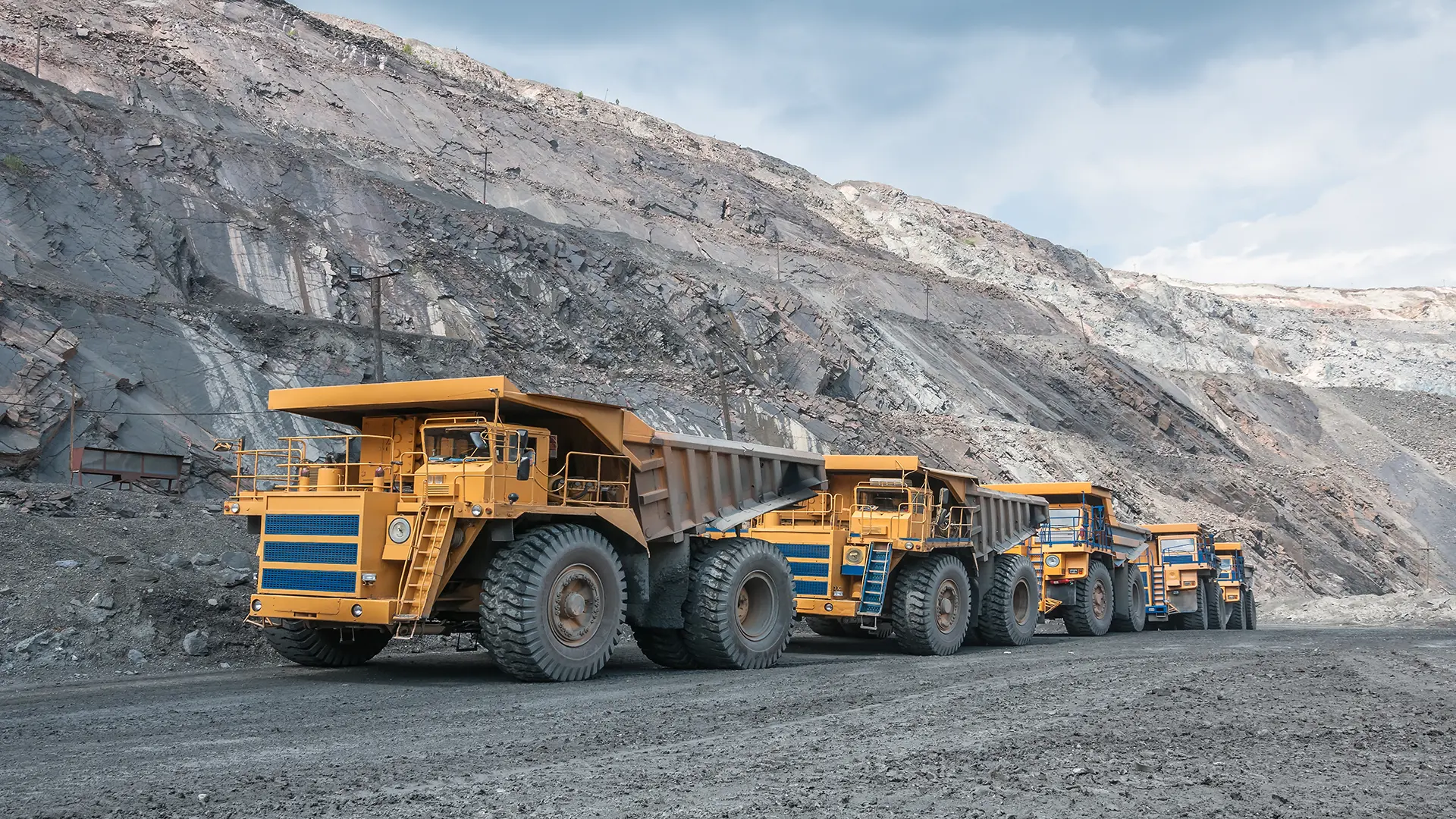
Researched by Industrial Info Resources (Sugar Land, Texas)--Iran's steel production is expected to increase to 15 million tons per year by the end of this year, according to Ali Akbar Mehrabian, Iran's Minister for Mines and Industries. This will be a 50% increase from the country's current steel production capacity of 10 million tons per year by state-run steel plants. Currently, Iran contributes less than 1% of the world's total annual steel production of 1.13 billion tons per year.
National Iranian Steel Company (NISCO) (Tehran, Iran) plans to increase steel production to 30 million tons per year by the end of Iran's Fourth Five-Year Economic Development Plan in 2010. In order to meet the targeted 15 million tons per year of steel production, Iran has eight new major steel projects in the pipeline, each of which is estimated to have a production capacity of 1 million tons per year.
The Bafq and Baft steel mills, the Chaharmahal Bakhtiari steel mill in Azarbayjan, the Gha'enat steel mill, the Mianeh steel mill, the Neiriz steel complex, the Sabzevar steel complex, and the Shadegan steel mill in Shadegan are the eight new projects and are located in different parts of the country. The projects, which have a total capacity expected to exceed 6 million tons per year, will be implemented simultaneously and moved into the production phase to meet the announced targets. Phase I of the South Steel plant (Bandar Abbas, Iran), a recently-commissioned joint venture between India and Iran, contributes about 10.3 million tons per year to the current steel production of Iran.
Iran's annual domestic steel consumption is estimated to be 20 million tons. Demand and consumption of steel in the Middle East in general and Iran in particular has been steadily increasing over the past few years. In order to bridge the gap between supply and demand, steel imports in Iran have increased by 40% for the year ending in March 2008. About 10 million tons of steel was imported from Russia, China, Ukraine and Kazakhstan in 2007.
The commissioning of new projects, enhancing the production capacity of existing plants, and boosting the capacity of private sector plants are some of the measures the Iranian government has taken to achieve self-sufficiency. The private sector produces about 3 million tons per year of steel. The Zamzam 2 factory of Khuzestan Steel Mill, Iran's largest direct iron reduction factory, currently produces about 1 million tons of sponge iron. Its operations are being enhanced to increase the steel production capacity to 3.2 million tons per year.
One of the key challenges facing Iran today is the lack of funds for setting up new steel plants or expanding existing ones. Lack of finance as a result of U.S. sanctions and pressure is crippling projects in Iran, forcing the country to find investors elsewhere. International banks under pressure from the U.S. are not willing to fund Iranian projects.
In March 2005, a consortium of major European and Iranian banks signed an $800 million agreement to fund the Hormuzgan Steel project after two years of lengthy negotiations. The greenfield steel plant constructed in Bandar Abbas has a production capacity of 1.5 million tons per year and was commissioned last month. Fortis Bank (Beneleux, Belgium) along with KfW Bankengruppe (Frankfurt, Germany) and Mediocredito Centrale S.p.A. (Rome) financed about $320 million for this project. An additional loan of $180 million came from Iran's state-owned Bank Mellat (Teheran, Iran).
Iran's oil industry is looking to Asia to provide finances to develop its oil and gas reserves. State-run Asian companies are keen on forging alliances with Iran, the world's fourth largest oil exporter, to secure their future energy supplies in return for financing the latter's domestic oil and gas projects. Taking cues from the oil industry by turning to the East for financing instead of West for investors, Iran's state-run plants and private sector can effectively meet the domestic steel demand.
Industrial Info Resources (IIR) is a marketing information service specializing in industrial process, energy and financial related markets with products and services ranging from industry news, analytics, forecasting, plant and project databases, as well as multimedia services.
/news/article.jsp
false
Want More IIR News Intelligence?
Make us a Preferred Source on Google to see more of us when you search.
Add Us On GoogleAsk Us
Have a question for our staff?
Submit a question and one of our experts will be happy to assist you.

Forecasts & Analytical Solutions
Where global project and asset data meets advanced analytics for smarter market sizing and forecasting.
Explore Our SolutionsRelated Articles

Industrial Project Opportunity Database and Project Leads
Get access to verified capital and maintenance project leads to power your growth.
Discover Our DatabaseIndustry Intel
-
2026-2027 Investment Radar for Mexico, Central America & the CaribbeanPodcast Episode / May 29, 2026
-
Innovations Shaping the Next Era of Power GenerationPodcast Episode / May 22, 2026
-
The Role of Contract Manufacturing in Global Pharma GrowthPodcast Episode / May 8, 2026
-
2026 North American Labor OutlookPodcast Episode / Apr 24, 2026
-
2026 European Metals & Minerals Project Spending OutlookPodcast Episode / Apr 7, 2026