Written by Martin Lynch, European News Editor for IIR News Intelligence (Sugar Land, Texas)
Summary
The AccelerateEU toolbox of measures from the European Commission (EC) aims to deal with the worsening fuel crisis caused by the war in Iran by introducing targeted temporary fuel support measures, coordinating national gas storage and filling plans, creating a Fuel Observatory to monitor the markets and accelerating the shift to renewable energy.
What is AccelerateEU?
The European Commission (EC) has launched a toolbox of measures called AccelerateEU to help relieve the pressure on European industry and households caused by the war in Iran and its ongoing global impact on fuel supplies and rocketing prices.
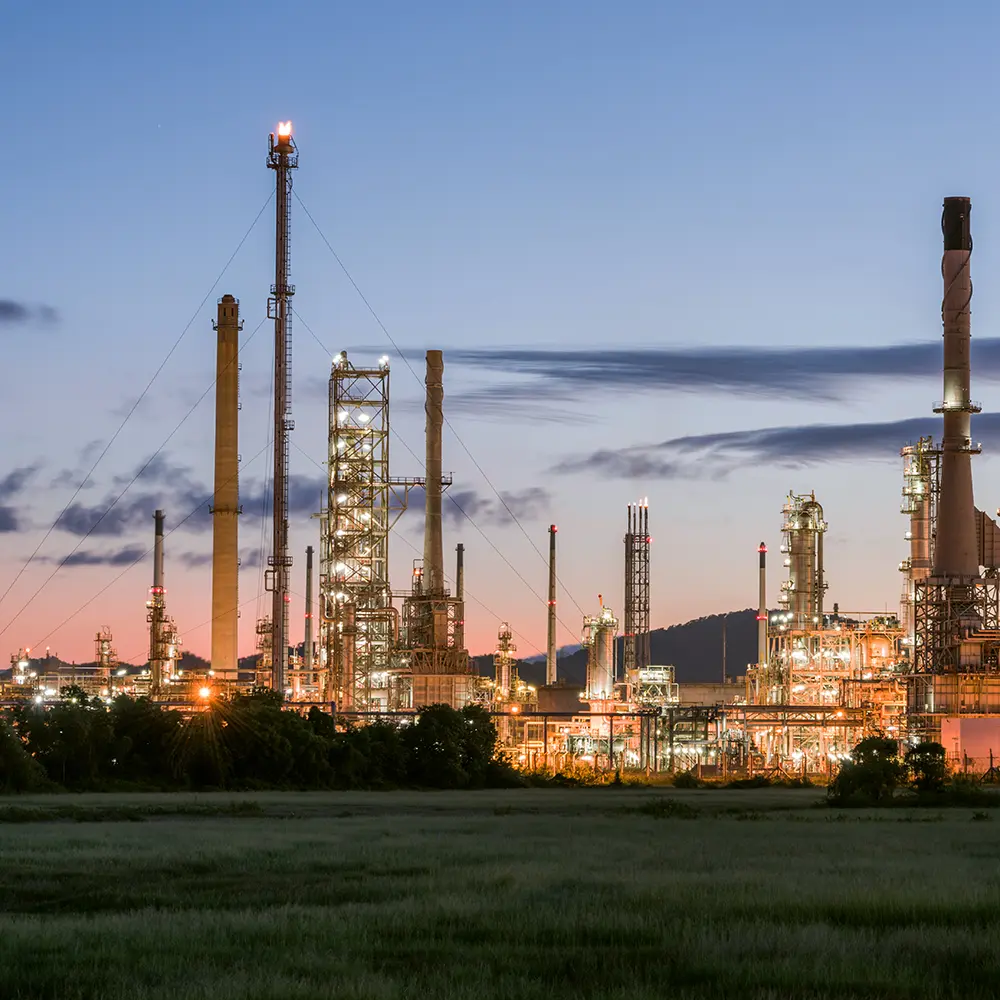
This is the region's first coordinated response to the ongoing fuel crisis which has seen the EC spend an additional 24 billion euro (US$28 billion) on energy imports in less than two months due to higher prices. The ongoing closure of the Strait of Hormuz has throttled supplies of oil and gas to much of the world, the recent ceasefire failed and ongoing peace talks have achieved nothing so far. AccelerateEU proposes a number of approaches to dealing with the current scenario as well as others aimed at accelerating Europe's transition away from fossil-fuels to renewable energy sources. Gas refilling and storage, market monitoring and maximizing the output from the region's refineries will be central to stabilising the current situation. According to Industrial Info Resources data, there are 110 refineries in Europe--74 in the EU-27, and the refining sector has been in decline for some time with a 37% loss of capacity in the past 10 years. Last month, the EC proposed that refineries should pause all non-essential maintenance projects to maximise output during the crisis. This could hit some of 300 maintenance projects worth US$1.4 billion in spending being tracked by Industrial Info Resources. Subscribers to Industrial Info's Global Market Intelligence (GMI) Project Database can click here for the reports. For additional information, see April 07, 2026, article - Europe Tells Refineries to Pause Non-Emergency Maintenance.
Immediate Support
There will be "targeted and temporary" financial support for industries and households that have seen energy prices more than double in recent months. This will come in the form of energy vouchers, price intervention, income support schemes and tax incentives, aimed at supporting in particular small and medium enterprises (SMEs), energy-intensive industries, and households. Dan Jørgensen, Commissioner for Energy and Housing said: "Europe faces yet another fossil energy crisis. This must be a wake-up call and a turning point -- when Europe steps away from fossil fuel dependence, and steps towards clean energy autonomy. With AccelerateEU we support our Member States in providing immediate relief to those struggling the most in our society, while doubling down on the clean transition and electrification. This is the only lasting way to guarantee stable, secure, clean and affordable energy supplies to all Europeans."
Coordination is Key
The EC has stressed the need to coordinate the region's response above all others. The first key area for "strengthened EU-level coordination" includes gas storage filling and the use of flexibilities in filling rules, oil stock releases, national emergency measures and ensuring the availability of jet fuel and diesel, including through the optimisation of oil refinery production capacities. The EC recognized that "jet fuel shortages may have a significant impact on air transport, such as flight cancellations, especially in view of the busy summer aviation season. Given that air transport operates across national borders, it requires European coordination to preserve the effective functioning of the single market and secure continued supply across the EU. Exploring alternative supplies and imported fuel types should be considered." Some of Europe's leading airlines, including Lufthansa, have already cancelled tens of thousands of summer flights. The Commission noted: "The availability and operational capacity of Europe's oil refining sector must be maximised to meet the current demand, especially for jet fuels, since approximately 40% of our jet fuel consumption is imported and about half of all imports pass through the Strait of Hormuz." A new Fuel Observatory will be established to track EU production, imports, exports and stock levels of transport fuels. Its goal will be the "swift identification of potential shortages and, in the case of emergency stock releases, inform targeted measures to maintain balanced fuel distribution".
Accelerating the Transition
The Commission proposes accelerating the shift to homegrown clean energy to replace oil, gas and fossil transport fuels. A key measure will be ensuring that electricity is taxed less than fossil fuels, through changes to network charges and taxation. This summer it will present an Electrification Action Plan that will include "an ambitious electrification target and measures to remove barriers to the electrification of the industrial, transport and building sectors." It will prioritise the swift implementation of the Sustainable Transport Investment Plan to ramp up the rollout of sustainable aviation fuels (SAF). It also aims to address the inability of Europe's electricity grids to deal with the fast-growing amount of renewable energy. The first step will be to quickly implement current legislation and the EC has pledged to quickly conclude negotiations on the European Grids Package. It also wants to maximize existing renewable energy infrastructure through the repowering of big wind farms and renewable plants, including offshore wind parks and hydropower plants - which it said can "quickly deliver much needed additional relief".
Key Takeaways
- The AccelerateEU plan is designed to deal with the worsening fuel crisis caused by the war in Iran through immediate relief measures for industry and households as well as longer term initiatives to transition away from fossil-fuels.
- The EU has spent an additional 24 billion euro (US$28) on energy imports in less than two months due to higher prices.
- Jet fuel shortages have led to leading European airlines cancelling tens of thousands of summer flights.
About Industrial Info Resources
Industrial Info Resources (IIR) is the leading provider of industrial market intelligence. Since 1983, IIR has provided comprehensive research, news and analysis on the industrial process, manufacturing and energy related industries. IIR's Global Market Intelligence (GMI) helps companies identify and pursue trends across multiple markets with access to real, qualified and validated plant and project opportunities. Across the world, Industrial Info Resources is tracking over 250,000 current and future projects worth $30.2 Trillion (USD).
Want More IIR News Intelligence?
Make us a Preferred Source on Google to see more of us when you search.
Add Us On GoogleAsk Us
Have a question for our staff?
Submit a question and one of our experts will be happy to assist you.

Explore Our EnergyLive Tools
EnergyLive Tools provide instant insight into new build, outages, maintenance, and capacity shifts across key energy sectors.
Explore Our ToolsRelated Articles
-
Canada Set New Record in Crude Oil Production in 2025June 19, 2026
-
Extra Oil Supplies Scarce as War Winds DownJune 18, 2026
-
Markets Will Recover Gradually from War, IEA SaysJune 18, 2026

Explore Our Enery Industry Reports
Gain the competitive edge with IIR Energy’s suite of energy market reports, designed for traders, analysts, and asset managers who rely on verified, real-time data.
View ReportsIndustry Intel
-
Brazil: Efficiency, Innovation, and Opportunities in the Food & Beverage IndustryPodcast Episode / Jun 12, 2026
-
2026-2027 Investment Radar for Mexico, Central America & the CaribbeanPodcast Episode / May 29, 2026
-
Innovations Shaping the Next Era of Power GenerationPodcast Episode / May 22, 2026
-
The Role of Contract Manufacturing in Global Pharma GrowthPodcast Episode / May 8, 2026
-
2026 North American Labor OutlookPodcast Episode / Apr 24, 2026