Reports related to this article:
Pipeline(s): View 1 related pipeline in Energy Live
Plant(s): View 1 related plant in Energy Live
Written by Daniel Graeber for IIR News Intelligence (Sugar Land, Texas)
Summary
Media reports this week showed pictures of a refinery complex engulfed in flames, allegedly from strikes on the western shores of Saudi Arabia. Those reports proved false, though regional tensions remain high.YASREF is Operational
Industrial Info Resources confirmed Wednesday, September 16, that reports of an attack on a refinery at the port city of Yanbu were false, though tensions are high amid renewed fighting between Saudi forces and the Houthi rebel group in Yemen.Various media reports circulating online Tuesday, September 15, showed smoke and flames emanating from a facility on the coast of the Red Sea. Later fact checks determined those reports used imagery from 2013, and were later verified as false.
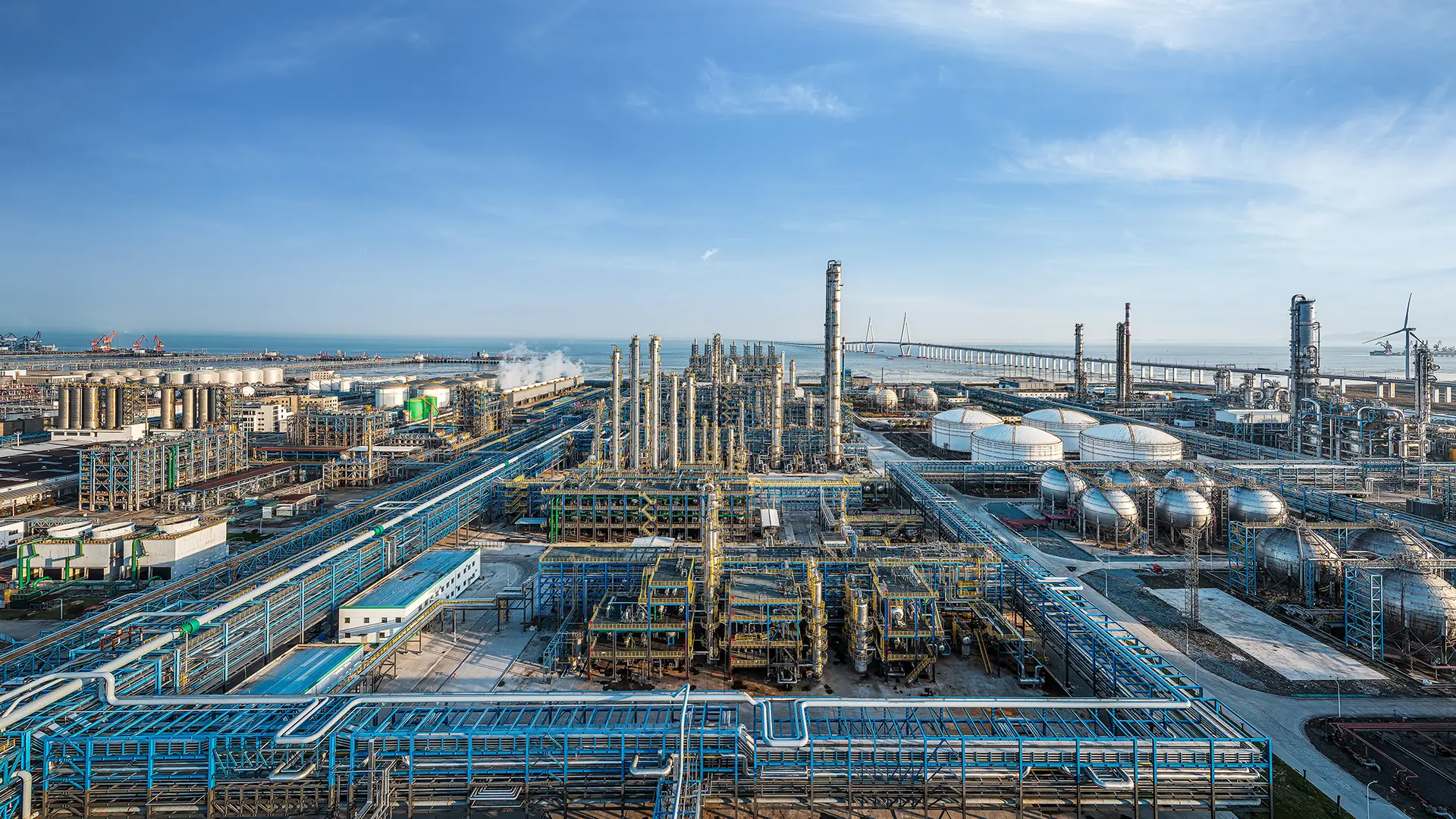
On September 16, the research team at Industrial Info confirmed the YASREF refinery at Yanbu was currently operational, with sources verifying early reports were fake. The refinery is operated by the Yanbu Aramco Sinopec Refining Company (a joint venture between Saudi Aramco and a subsidiary of Sinopec).
"However, they indicated that the refinery could potentially face operational issues in the coming days due to a crude supply shortage following the pipeline damage," Industrial Info researchers said. "We will continue to monitor the situation."
Data from Industrial Info show the Yanbu YASREF Refinery has a capacity of turning 430,000 barrels per day (bpd) of crude oil into refined petroleum products such as liquid propane and unleaded gasoline. The Industrial Info Resources Global Market Intelligence (GMI) Petroleum Refining Database offers a detailed profile of the facility.
Yanbu also represents the terminal point of the East-West crude oil pipeline, which traverses the Saudi peninsula to the Red Sea, thus avoiding the volatile Strait of Hormuz.
Touted as a safety valve for ongoing disruptions to shipping through the Strait of Hormuz, the pipeline was targeted by multiple drones fired by Iranian-backed militias in Iraq last week. Despite multiple media outlets showing fires along the pipeline route, the Saudi Energy Ministry said the pipeline was closed only as a precaution.
The pipeline has a peak design capacity of around 7 million bpd of crude oil, or around 35% of what would normally flow through the Strait of Hormuz, data from Industrial Info show. Cable news broadcaster CNN, meanwhile, reported that Saudi forces struck Houthi drones near the Islamic holy city of Mecca, while Ole Hanson, the head of commodity strategy at Saxo Bank in Denmark, said Saudi Aramco has delayed deliveries because of the pipeline attack.
"Saudi Aramco has delayed or cancelled some September deliveries to European customers after loadings from Yanbu were suspended, leaving refiners scrambling for replacement cargoes," Hanson wrote in a Wednesday newsletter. "European buyers have responded by seeking crude from the North Sea, U.S., Kazakhstan, Algeria and Guyana, pushing the price of immediately-available barrels sharply higher."
Conflict that began with joint U.S.-Israeli airstrikes on Iran in February has created widespread economic pain. The U.S. central bank raised its interest rates by a quarter percent for the first time since 2023 as energy-related inflation takes its toll, with the Bank of Japan likely to follow suit later this week.
Crude oil prices were relatively muted on Wednesday, despite the ongoing tensions in the Middle East as investors waited on the sidelines for central bank rate decisions. The price for Brent crude oil, the global benchmark, was down about 1.5% in early trading Wednesday to move near $107 per barrel, but it started September at $94.65.
U.S. Trying to Stem the Tide of Energy-Related Inflation
In the U.S. market, the world's largest, energy-related inflation is triggering alarm bells for a presidential administration fretting over declining popularity ahead of pivotal congressional elections in November.A report last week from Reuters suggested the White House would invoke the Defense Production Act from the 1950s to boost refinery production in an effort to offset the impact of runaway commodity prices. Early-week proposals also weighed a moratorium on exports of diesel, where prices are straining a trade sector pivotal for the delivery of most consumer goods.
It's unlikely, however, that the administration's action would impact the nation's refining sector, which has already been running at full tilt since fighting in the Middle East began. U.S. refineries were running at 99.42% of available capacity in August, the highest rate in at least 10 years for this time of year, according to Industrial Info Resources, showing there's not much more room to maneuver.
"Crude unit outages averaged only 255,000 bpd in July, levels not seen since 2017 when more capacity was online," said Hillary Stevenson, Vice President, Energy Intelligence at Industrial Info. "U.S. refiners are working harder with less."
Elsewhere, U.S. imports of the heavy type of crude oil are limited by the conflict, forcing refiners to rely on producers in the Americas to offset Middle East disruptions.
By the Numbers
- 13%: The jump in the price of Brent crude oil so far this month
- 430,000 bpd: The capacity of the YASREF refinery on the coast of the Red Sea
- Media reports of strikes on a Saudi Aramco refinery proved false.
- Regional conflict is curbing Saudi's ability to export.
About Industrial Info Resources
Industrial Info Resources (IIR) is the leading provider of industrial market intelligence. Since 1983, IIR has provided comprehensive research, news and analysis on the industrial process, manufacturing and energy related industries. IIR's Global Market Intelligence (GMI) helps companies identify and pursue trends across multiple markets with access to real, qualified and validated plant and project opportunities. Across the world, Industrial Info Resources is tracking over 250,000 current and future projects worth $30.2 Trillion (USD).
/iirenergy/industry-news/article.jsp
false
Want More IIR News Intelligence?
Make us a Preferred Source on Google to see more of us when you search.
Add Us On GoogleAsk Us
Have a question for our staff?
Submit a question and one of our experts will be happy to assist you.

Explore Our EnergyLive Tools
EnergyLive Tools provide instant insight into new build, outages, maintenance, and capacity shifts across key energy sectors.
Explore Our ToolsRelated Articles
-
Trump Administration at Work to Offset Higher Commodity Pric...October 01, 2026
-
Saudi Arabia Hands Out Oil & Gas Production Well Contracts t...September 28, 2026
-
Saudi Oil Loaded from Port at Yanbu after Pipeline AttackSeptember 24, 2026
-
Americas Offset Some Middle East Oil Supply IssuesSeptember 22, 2026
-
U.S. Refineries to Run Lower Amid Regular Maintenance PeriodSeptember 18, 2026

Explore Our Enery Industry Reports
Gain the competitive edge with IIR Energy’s suite of energy market reports, designed for traders, analysts, and asset managers who rely on verified, real-time data.
View ReportsIndustry Intel
-
Latin America Data Center Outlook 2026: Power, Hubs & GrowthPodcast Episode / Oct 9, 2026
-
Food and Beverage CapEx Outlook 2026: Tariffs, AI, AfricaPodcast Episode / Oct 9, 2026
-
North America Refining 2026: New Pipelines to PADD 5Podcast Episode / Oct 2, 2026
-
Biomanufacturing Onshoring 2026: GLP-1, CDMO and ReshoringPodcast Episode / Oct 2, 2026
-
2026 US Data Center Outlook: Power, Land & CoolingPodcast Episode / Sep 18, 2026