Podcast Overview
They explore the resurgence of natural gas and nuclear development, the supply chain bottlenecks slowing gas turbine delivery, and the innovative workarounds, like repurposed jet engines and hydrogen fuel cells, emerging to fill the gap. They also unpack coal's surprising second wind, the rise of small modular reactors, and whether battery storage and an aging grid can keep up with renewable growth.
One thing is clear: meeting tomorrow's demand will take an all-of-the-above approach.
Presenters

Video Language
Right now, electricity demand growth rates are far exceeding the rate of demand for total energy out to 2040. And with much of the capital investments and new supply coming online over the last five years having been associated with renewable sources, how will this play out over the next five years? Bearing in mind that we are now in the midst of huge amounts of geopolitical, trade and energy complexity at a time when the cost of living issue remains front and center. And so the big question is, could we possibly see a shift more towards energy security and affordability at the expense of sustainability?
Shaheen Chohan (00:58):
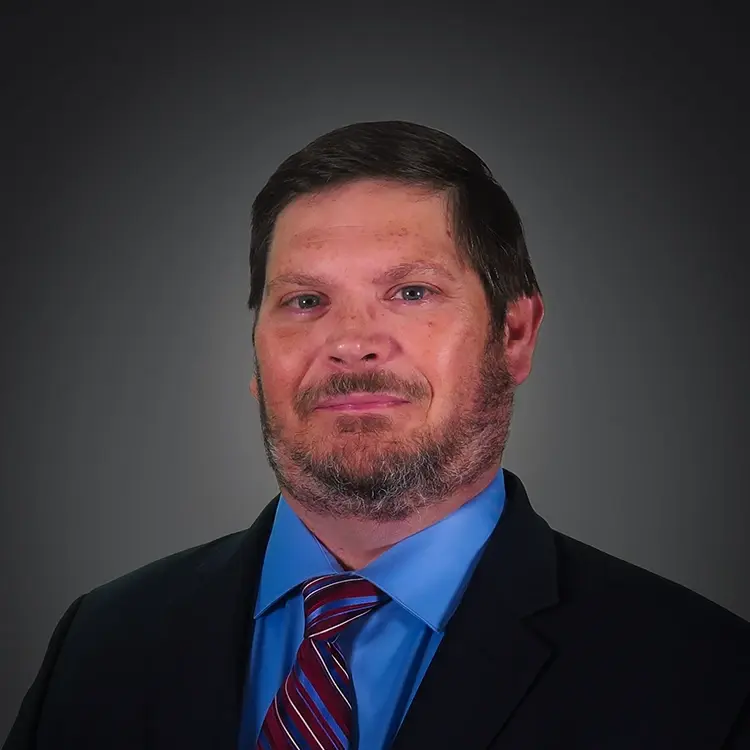
Welcome to Navigating the Currents of Change, where we bring together over four decades of trusted research, data and industry insights, built for the Answer Age. Let's dive in. My name is Shaheen Chohan, and I lead Global Analytics here at Industrial Info Resources. And to help me unpick some of the trends that we're seeing and put some answers to those questions, I am delighted to be joined by Britt Burt, who is IIR's Senior Vice President of Power Research.
Britt, as I highlighted in my opening comments, we're seeing unprecedented levels and rates of growth in electricity demand across the board. And in prior years. It's always been associated more with the emerging markets, but now we're seeing a much higher rate of electricity demand growth even in the developed markets. What's driving that?
Britt Burt (01:46):
Well, primarily data centers. There's a lot of other factors as well, and other industrial growth here in the States. It's because we're reshoring a lot of the manufacturing back home. And that's increasing electricity demand substantially. But by and large, from a global standpoint, it is the explosion of development of data centers that's going on.
Shaheen Chohan (02:12):
So how will this boom in electricity demand be met? And what are some of the major challenges in trying to meet those rates of growth?
Britt Burt (02:24):
Well, the thing that we're seeing, and I believe this could be said globally as well, for the most part, is we're seeing more of a resurgence in building some of the traditional power resources that we haven't built in quite some time. At the top of that list, of course, are natural gas fired facilities and more nuclear plants. The challenges right now are mainly supply chain issues, for equipment on the natural gas side. Delivery times on a gas turbine are anywhere from 3 to 5 years, sometimes more. And there's other equipment shortages as well, transformers or breakers, things of that nature.
Shaheen Chohan (03:09):
So where does natural gas fit in the power generation mix? Certainly to meet future electricity demand growth globally. Does it actually make sense to build new grassroot capacity, or do you think we'll probably see expansions as taking a more prominent role in getting us additional baseload?
Britt Burt (03:37):
Yeah, I believe it's going to be a little bit of both. Here in the United States, we're seeing development of new grassroot plants, new natural gas fired plants. We're also seeing expansion of existing facilities and conversion of some plants that are operating in simple cycle plants, converting those to combined cycle. We're also seeing a lot of what we call behind-the-meter development. So the data centers, depending on which state, each state is different. But here in Texas, for instance, if a data center is planning to locate here, they have to bring their own power with them. And that usually means contracting with an outside party to build a behind-the-meter power plant, which is a dedicated plant to supply electricity to that facility.
Shaheen Chohan (04:26):
What are some of the challenges or headwinds associated with building new gas fired capacity?
Britt Burt (04:32):
Yeah, by and large, right now it's the equipment shortages for gas turbines. The delivery time on those, as I mentioned a few moments ago, anywhere from 3 to 5 years. I think more and more labor shortages are going to come into this mix as well, because they're competing with labor forces to build the data centers themselves and other industrial growth that's going on, certainly in this country and in other places around the world as well. And then outside the United States, it comes down to availability and affordability of natural gas. We take it for granted here because we're, you know, we have an abundance of natural gas. It's relatively a cheap, inexpensive fuel. Other places, not so much. In Europe it's a huge challenge. The cost is a big constraint there, for the fuel itself. So those are the main ones
Shaheen Chohan (05:42):
With the loss of, I don't know, what is it, 20% of Middle East gas. It's still hemmed in the Strait of Hormuz. And a lot of that was being channeled towards those high growth Asian markets. A lot of new grassroot gas fired capacity was being built there. Have we seen a potential slowdown in some of those projects, or reconsidering the timelines of those projects because of this very, very tight gas market?
Britt Burt (06:07):
Well, it's certainly having an effect on that. And how long that goes on and where we begin to see light at the end of the tunnel, I really can't give you a firm answer on that. But yes, it does have an impact on that. And it is affecting some projects, some delays in project schedules and whatnot.
Shaheen Chohan (06:25):
Britt, this turbine issue, which is kind of now completely out of kilter with the, you know, the demand for gas fired power capacity. How's the market responding?
Britt Burt (06:38):
Well, there are fairly innovative approaches coming up to get around that. Fuel cells, we're seeing hydrogen fuel cells. A lot of the data centers are turning to those, as a power source. Bloom energy is doing quite well supplying hydrogen fuel cells for those. We should have bought some stock in them a couple of years ago. But there's also a company that's come up with a, they're using used engines from retired 747 aircrafts. They're rebuilding those, repurposing those and using those, it's basically a GE LM6000, the equivalent of that to use in data centers. And I've heard that there's a company doing the same thing with used 737 engines. So, you know, we're finding a use for those old jet engines. There's a company that was developing a supersonic jet. And, the market for that is not really taking off as they had hoped, but they still have the engines available. So they're making those available, to the industry. So a lot of creative approaches coming to the surface to overcome some of those challenges.
Shaheen Chohan (07:53):
Now, many years ago, what we saw in the US was a lot of coal to gas switching because of the ample supply of gas. Now, would it be right to say that in Asia, we're actually seeing the reverse, where we're seeing some gas to coal conversions happening because of the higher availability, I guess, of coal as a fuel?
Britt Burt (08:10):
Well, they're certainly running coal plants longer. And that's true worldwide for different reasons sometimes. But we're seeing coal plants running longer, operating longer for sure. And some turning back to coal, as supplies for natural gas or LNG are dwindling because of the conflict in the Middle East. So, yeah, we're seeing that definitely.
Shaheen Chohan (08:43):
And in the US, is there a revitalization in the fortunes of the outlook for coal fired capacity right now?
Britt Burt (08:50):
Well, you know, at the beginning of the year I told you no. Man, how things change. So just over the past couple of months, we've had some announcements that have come down from the White House, about more government funding to modernize 14 coal plants around the country, to keep them operating longer. We're seeing plants that are delaying retirement dates. We're seeing plants that are ordered by the Department of Energy, to continue operating, because electricity demand is growing. Ironically, a lot of those are under emergency orders to run, but they're not running at all because they need billions of dollars invested in them to upgrade them. So we know that there's funding on the horizon to modernize 14 plants. There's also been announcements of the potential construction of two new plants, one in Alaska and one in West Virginia. We were already tracking one in Alaska and one in Wyoming. So that's four now that we're tracking, new coal projects. Whether they ever see the light of day or not, I'm not real optimistic that that will happen, but it is being talked about.
Shaheen Chohan (10:06):
So, Britt, as we see more coal fired units get pushed out and these retirements get extended and pushed out into the future. That must be actually great news for folks who are involved in maintaining and servicing these coal fired units and future pipeline of some of these implant capital projects, right?
Britt Burt (10:31):
Well, it will be, yeah. Because they've been holding these plants together on a prayer for a while because a lot of them were scheduled for retirement, so they haven't really been investing a lot of money in those. I mean, they've been doing what they have to do. Nothing more. So yeah, I believe we'll see some potential for additional modernization and upgrades and possibly efficiency upgrades and things like that.
Shaheen Chohan (11:01):
Now, staying with the theme of how to best meet baseload power demand growth going forward and across the board, we're obviously hearing a lot more about the viability of bringing more nuclear capacity into the mix, right? But technologies have changed. What types of technologies and projects are you now seeing, that you possibly didn't see a few years ago?
Britt Burt (11:28):
Well, the majority for new nuclear capacity is being proposed as using something called a small modular reactor, which is typically a smaller unit than what we see with the large conventional reactors. The conventional reactors are typically 1000MW or more. The small modular reactors are more along the lines of 350MW. So you may put in one of those, or you may put in four of them, so to speak. We're seeing that taking place all over the world. Really haven't seen a lot of construction move forward on those yet. There's some early site work going on on two of them here in the States and many, many more on the horizon. But like I say, it's a worldwide thing. I mean, we're seeing development across Europe and in Asia for SMRs. There is the potential for conventional reactors as well. Those have been installed in China and continue to be and other parts of the world. Westinghouse has made the announcement that they have letters of intent for seven AP1000's here in the United States. Now, I can't tell you where those are right now because they're being kind of hush hush about it. But the government also announced funding to help with supply chain and help speed along the supply chain for components for the reactors and the development of the fuel for the reactors as well, recently. So I think we're going to see, movement towards installing some conventional reactors along the way as well.
Shaheen Chohan (13:09):
I may be a far-flung question to ask, but do you think we could possibly see these small modular reactors being used behind the meter for data centers?
Britt Burt (13:22):
Oh yeah, absolutely we will. A lot of them are being proposed as behind the meter projects. So yes, absolutely, without a doubt. And the other thing is we're seeing conventional reactors plants that have been closed that are starting back up again to serve the data center market specifically.
Shaheen Chohan (13:47):
Now in the US, still, what is it, 90 operational reactors in the US or is there more?
Britt Burt (13:49):
Right off the top of my head, somewhere in that neighborhood, yeah.
Shaheen Chohan (13:55):
In the US, are there any particular programs or policies that the administration has put in place to kind of kick start the interest or at least get some of that CapEx flowing back into nuclear?
Britt Burt (14:13):
Yes, they absolutely have. Just a month or so ago, announcements came out to help speed along the development of these to kind of simplify it a little bit. It goes into helping along with the supply chain and the development of these reactors to do that. But yes, it's taking place here and there's 20 some odd countries around the world that have very aggressive programs to promote new nuclear capacity. Canada is another nation over here.
Shaheen Chohan (14:44):
Britt across the board, solar and wind typically takes the lion's share of renewable spending. At a very high level, tell us where the big primary markets are for both fuel types.
Britt Burt (14:58):
For wind and solar? Yeah well solar is taking place globally. And there has been some slowdown in comparison to previous years, but I don't think we're going to see solar really fade away anytime soon. It is outpacing every other form of new build capacity that we see going forward. Wind, offshore wind is still taking place all over the world. Asia, Europe, South America, other places. It has really taken a hit here. Shortly after Donald Trump took office, he put the brakes on development of offshore wind. And, in fact, we're now paying developers to back away from some of these. We've paid about over $2 billion in taxpayer money to settle with these developers and to get them to back away from developing these offshore wind farms. But really, the US is the only place I've really seen a slowdown on offshore wind. Land based wind in the US, there's still considerable development going on in that arena as well. Maybe not to the magnitude that we've seen in previous years, but, yes, absolutely. Development is continuing on.
Shaheen Chohan (16:23):
And when you say that there's been some erosion or slowdown in both solar and wind in the US, I guess that's really being driven by changes to policy rather than demand.
Britt Burt (16:35):
Well, a lot of things at play there. The electricity demand that we see growing is a need for dispatchable, reliable electricity. That isn't always the case with wind and solar plants. They're dependent on weather conditions, obviously. But the other thing that the Trump administration has done is, made modifications to the tax credits, too. So that has had an effect on it. But I tell you, I have said many times that I think we're going to continue to see renewable energy move forward with or without tax credits. And I see that every day as we do our research and go in and talk to developers about new wind and solar and battery, and we haven't talked about battery, but battery storage projects. Of course, they weren't affected by the change with the tax credits, but I really don't see any solar or wind going away. I see people moving forward with the development of big projects in those arenas. So, I don't think we're going to see it fade away completely.
Shaheen Chohan (17:51):
Are you seeing the technology costs associated with solar and wind falling fast enough to make tax incentives and tax credits almost unnecessary?
Britt Burt (18:05):
That's hard to say. The technology costs have come down considerably, but I don't think that we'll see exactly how competitive they will be until there is no tax credit. There's a lot of opinions and a lot of stories about solar being competitive with natural gas, even unsubsidized. A lot of studies have indicated that, but we haven't really seen that. We really haven't seen that come into play in actual practice, in reality. So it's hard for me to say that.
Shaheen Chohan (18:39):
Now typically, most of the attention and headlines and focus is always on wind and solar, but we often neglect or forget hydropower. It has a big contribution to not only the renewable mix, but just the general electricity mix itself. But we seldom see new technology developments in hydro.
Britt Burt (19:06):
Yeah. Here in the States the only thing that I see in the hydro arena that that we may see take off a little bit further down the road, is pumped storage capacity. Globally, yeah hydro capacity is a big factor, worldwide. Of course, there's environmental concerns with that as well. It can be affected by weather conditions and droughts and things of that nature. So it's not at the top of the heap when we talk about what's being developed, but it's still there. We see modernization activity of existing facilities taking place and upgrades and uprates. So, yeah, it'll continue to play a role, no doubt.
Shaheen Chohan (19:59):
Now coming back to battery storage, it obviously is a key ingredient in the renewables story, but it's also battery storage as a standalone support mechanism for the grid. We've seen, obviously, some improvements over the last few years in both the technology costs. And also the size and the volume of capacity that's now scaling in the marketplace. But the big question is, as we're seeing renewable capacity being developed, is battery storage capacity moving in step with that? You know, in tune with that?
Britt Burt (20:38):
Yeah, but we're still only seeing just a portion of what we actually need to see to support all the renewable energy that has been built and that is still on the books to be built. Battery storage is still moving forward very aggressively. Still 90% of it is using lithium-ion technology. A lot of other technologies in the works, but nothing's really jumped out as a replacement for lithium-ion technology, and there's some limitations on that, as far as storage duration and that sort of thing. But yes, very aggressive spending for battery storage.
Shaheen Chohan (21:25):
With all the renewables that are being proposed, and still, I guess, in the queue to be connected. We've got to have a discussion around the transmission and grid capacity. Now, we know in the US a lot of that is very aged, and there are some really quite critical investments needed to not only add new capacity, but also shore up and improve what's in place at the moment. How is that proceeding, and has the administration put the necessary frameworks in place?
Britt Burt (21:56):
It's proceeding slow, way slower than it should. Here in this country, there's been government support. There's been government programs put in place to try to streamline that. And we see some breakthroughs and some development. All the major utility companies are announcing $1 billion, you know, multibillion-dollar programs to upgrade their transmission systems, but they're still very slow to clear all the regulatory hurdles that are there. So yeah, I mean, you're right about the grid being antiquated. And that's true in most parts of the world. It's certainly true in the US and Canada, needing trillions of dollars of investment to bring it up to speed between modernization and the expansion to meet the new load and so forth. So it's going to continue to be a big, big factor in the investment area for the power industry overall.
Shaheen Chohan (23:04):
As the rate of electricity demand growth continues to get bigger and bigger year on year, we're seeing incremental increases in demand. Really, how are we going to meet this ability to keep everybody switched on and also all these new sectors which are coming to the market to be electrified?
Britt Burt (23:20):
Yeah. Well, it's a multi-pronged approach, Shaheen. We have to have more electricity capacity, and that's going to come from just about every source that you can think of. I mean, we're going to see development of new fossil fuel sources of energy. We're going to see some plants continue to run that we're scheduled for retirement, that we've been on a course to phase out over time. And, you know, expansion of existing facilities, traditional power plants, along with the continued growth of renewable energy. So it's going to be kind of an all hands on deck approach.
Shaheen Chohan (24:03):
That brings us to the end of our discussion. I guess it is fair to say that the spending outlook points to one of continued momentum in order to meet rising electricity demand around the world, which is now having to contend with this mega wave of additional demand from data center developments. And certainly to meet this, it is clear that a mixed fuel and technology approach and strategy will be needed going forward. And all that leads me to do now is just say a very big thanks to you, Britt Burt, for sharing your insights and perspectives today. If any of you who've joined us have any further questions about any of the points discussed today, then please reach out to myself or Britt via the contact details you can see here. And finally, a very big thanks to all of you who have joined us today. I hope we have helped you all better navigate some of the currents of change that we're seeing. Welcome to the Answer Age.
Recent Podcast Episodes
Refining
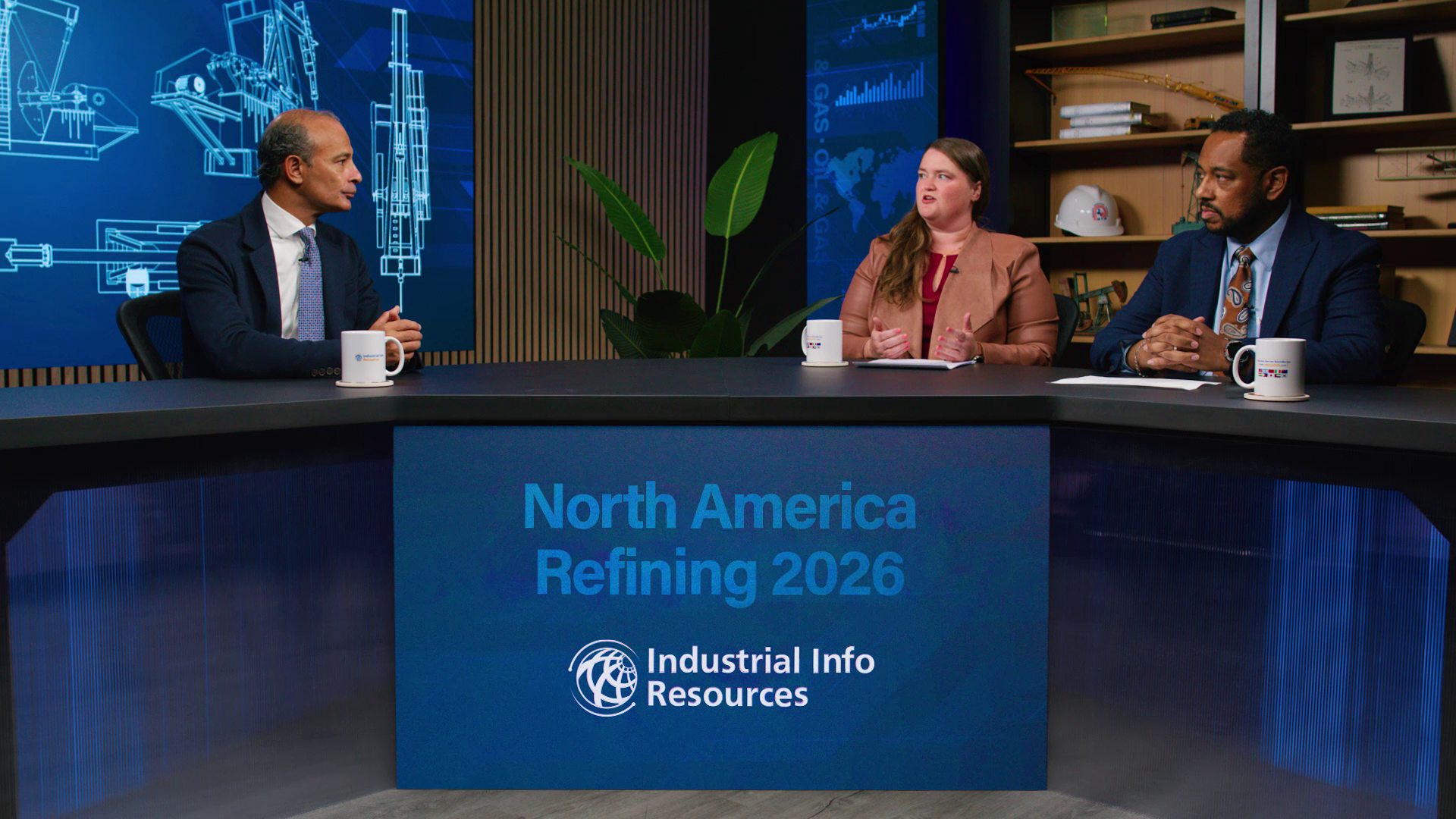
North America Refining 2026: New Pipelines to PADD 5
Is North America's refining system built for what's coming? IIR experts unpack 2026 trends across PADD 5 pipelines, Canadian crude, and modular refineries.
Pharmaceutical & Biotech
Biomanufacturing Onshoring 2026: GLP-1, CDMO and Reshoring
Could pharma's onshoring boom outlast the tariffs that sparked it? IIR experts unpack 2026 trends across GLP-1 manufacturing, CDMO growth, and biomanufacturing site selection.
Data Centers
2026 US Data Center Outlook: Power, Land & Cooling
Why is power strategy replacing land as the top data center priority? IIR experts unpack 2026 trends across site selection, liquid cooling, and modular construction.
Oil & Gas
2026 Oil & Gas CapEx Outlook: Middle East, LNG & Permian
Why aren't record oil prices sparking new spending? IIR experts unpack 2026 CapEx trends across the Middle East, LNG, and the Permian Basin.