Podcast Overview
Presenters

Video Language
If you've been trying to make sense of what's driving the wave of demand for semiconductor capital spending across the US — where that investment is being announced, and more importantly, why — then this conversation will help you connect the dots.
Shaheen Chohan (00:32):
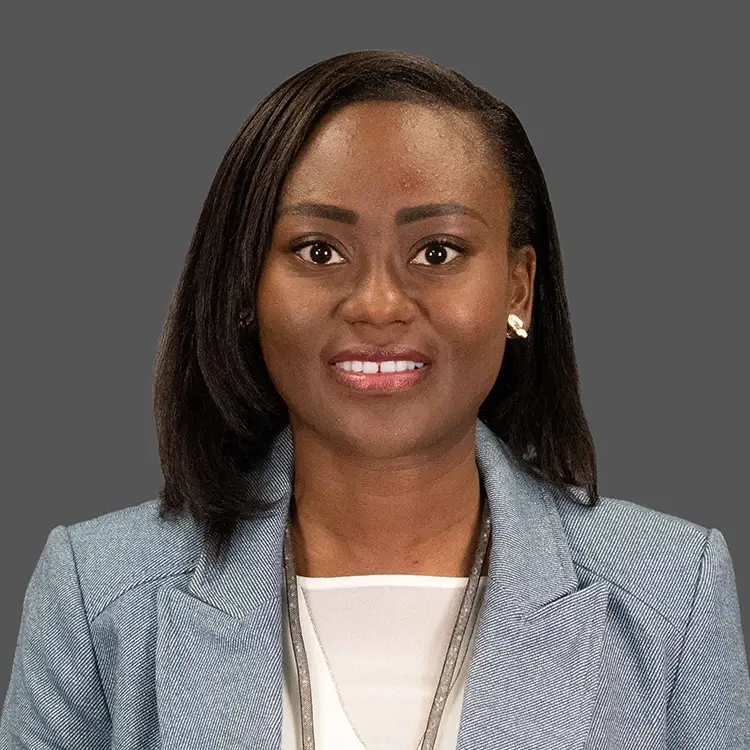
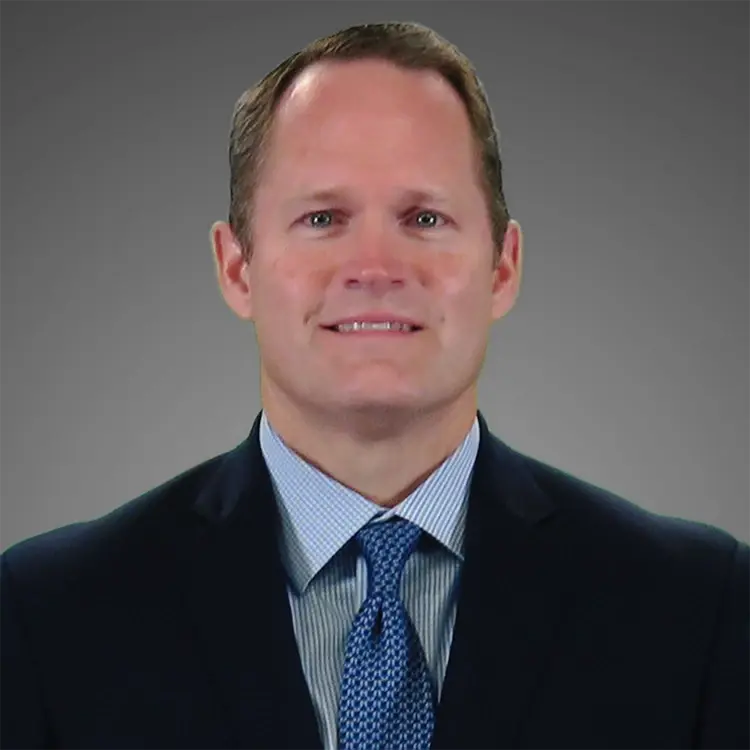
Welcome to Navigating the Currents of Change. I'm Shaheen Chohan, I lead Global Analytics here at Industrial Info Resources, a company recognized for over 40 years in delivering trusted industrial data and market intelligence that is verified direct from source and constantly updated across more than 12 major industries and multiple sectors worldwide. And to help me connect some of those dots and uncover some of the answers to those questions, I'm delighted to be joined by two of our industry experts. Welcome Foluso Nwanguma, our North American Research Manager for Industrial Manufacturing, and Mike Bergen, Executive Vice President at IIR. Welcome to both of you.
Now, Foluso, maybe I could start with you to help kick off the discussion. The semiconductor sector is obviously a key segment within the broader industrial manufacturing industry. But could you just explain to folks what exactly does this sector encompass?
Foluso Nwanguma (01:38):
So the semiconductor sector is quite multifaceted, actually. It goes anywhere from the chipset and chip manufacturing to assembling and then to the packaging that goes with that also. And within that, there is also an understanding of the fabless companies and the actual fabrication companies and then the independent device manufacturers. So for the fabless companies, we're talking about companies that just innovate and advance technologies for the chips. And then for the fabrication companies, we're looking at the actual manufacturing of these chipsets and the packaging that goes with it. And then for the independent device manufacturers like Intel, we're talking about the whole entire chain from innovation to production for semiconductors.
Shaheen Chohan (02:26):
Now guys, we clearly are seeing a wave of announced and planned project activity coming through the pipeline. Mike, what is the current size of the market when it comes to capital expenditures, which we are tracking certainly in the US?
Michael Bergen (02:33):
Yeah. So in the US, since we've actually introduced the Chips Act — going back to around 2021 through 2024 — we've seen about $169 billion worth of investments in semiconductor manufacturing here in the States. Looking forward, we are tracking over $200 billion being proposed through various manufacturers for semiconductors. To put that in perspective, within that semiconductor industry, there is also the solar manufacturers and solar cell manufacturers that have invested $10 billion since COVID and about $6.6 billion forward-looking. It's a very sizable market. And to give you an idea, if we look at other industries and other trends that have happened — in renewable energy for wind and solar, we saw about a $300 billion build-out of wind and solar capacity from 2020 through 2024. The LNG market has been about $80 billion, petrochemicals about $58 billion, and the automotive market has been about $161 billion. Putting that in perspective, our semiconductor manufacturing is being driven by a lot of the data center activity that's being proposed. We have already seen $200 billion being built since 2021 in data centers, and we're tracking over $1 trillion worth of investments announced and identified as true projects in the US that we're tracking right now.
Shaheen Chohan (04:28):
I mean, Mike, I think it's almost on a daily basis now we're just seeing new announcements around projects. And I guess I would like to pause and dig a little bit deeper into really what's driving that spending demand. What is the real motivation around the investments that we're seeing that our researchers are identifying? What really is driving that?
Michael Bergen (04:50):
Yeah. So for me, it's going back to COVID, because COVID really showed how we were dependent upon other countries to give us the chip production that we needed for a lot of the manufacturing that was being done over here. And so the supply chain disruption that we witnessed during COVID really brought to light the need to reshore manufacturing back here so we can get a hold of the entire ecosystem of semiconductor production. And so that's been a big driving force behind it, and why the government actually imposed the Chips Act — brought that to light. I believe, and Foluso could probably correct me here, that we've seen out of the $240 billion that that program represents, about $50 billion of it has actually been allocated to companies — about $36 billion to manufacturing under the Chips Act.
Shaheen Chohan (05:47):
We've seen the Trump administration, when it took office, wind back on a number of the policies and tax incentives. Is the Chips Act very much still in place? And does it look like it could be in jeopardy, or is it here to stay?
Foluso Nwanguma (06:06):
I would say most of the money has already been allocated, maybe not disbursed yet. So we might not see an expansion of what we have on the ground already, which was probably what was hoped for with the trajectory that the semiconductor industry was going. But going forward, we're yet to see what the Trump administration is going to actually end up doing with the Chips Act.
Michael Bergen (06:30):
Yeah, and this is quite a balancing act too, because you have the current administration that is very conscientious about cutting the budget and removing wasteful spending. This may be one of those circumstances where it's not considered wasteful, because we're trying to bring back manufacturing to the US, which fits into that theme — but we also need that money to train up individuals to employ those plants.
Shaheen Chohan (06:54):
I want to come back to the topic of supply chains. Nobody really saw the semiconductor sector in terms of being a big CapEx spender pre-COVID. But I think COVID and that whole disruption around the supply chains clearly brought it very much front and center of everyone's minds. And I guess it's more really about domestic supply chain security, right. So tariffs — has that been a disrupter? Because clearly the manufacture of semiconductors requires multiple stages and multiple components, and many of those inputs are actually sourced from outside of the US. So have tariffs had an impact on some of this planned spending?
Foluso Nwanguma (07:42):
I would say definitely yes. But the flip side to that is that prior to the tariffs, the US had done a very good job of reshoring a lot of the production here. And also stockpiling was a strategy that came about from COVID-19, where manufacturers were stockpiling raw materials — so we weren't completely caught off guard with the tariffs. However, going forward, we've already seen China escalating and banning exports of some of these minerals, and that is going to translate to the US needing to basically make friends with more economically friendly companies so we can de-risk and hopefully strategically bring our supply chains back here or deviate from China.
Shaheen Chohan (08:31):
And I think actually that de-risking is probably something that's already happening in place. I mean, very recently we've already seen some positive discussions moving forward with the Trump administration and their Chinese trade counterparts around opening up the supply of these rare earth elements. I'm assuming that's what you're referencing, and that is now going to be able to feed in and continue to support these projects.
Now, Mike, the wave of new project announcements that we're seeing is obviously coming at a time when capital spending in other industries — oil and gas, chemical processing for one — is also showing growth and very high volumes of activity. What are the potential headwinds or impediments to some of these multiples of billions of dollars which are sitting in the pipeline? What could possibly derail the momentum and the pace of these projects moving forward?
Michael Bergen (09:30):
Yeah, I would say, in that context, that labor is certainly one of the bigger constraints. It's not necessarily financial, because these projects are being backed by a lot of movement that's happening in the industry and a very bright future ahead with the development of technology. So what we've witnessed here in the Gulf Coast region — having a labor shortage and building out a lot of the process industry — we did witness that those trades have been moved up into parts of the southern US to address some of these bigger projects. As we move forward and we're getting into a lot more data center projects and other manufacturing reshoring-type projects, it's going to add a lot more weight to the labor situation from a construction perspective.
In addition to that, we did witness Taiwan Semiconductor having a labor issue around installing the semiconductor manufacturing equipment — having that technical expertise — and they brought people over from Taiwan to actually do that. So they were stalled on their startup. But ultimately, down the road, there's going to be a need for training people to run these facilities. We're talking about hundreds of people in that manufacturing process that are needed. This could actually bring an opportunity for the industry in which you can't meet the current demand for employment to operate the plant, which drives robotics — so autonomous robotics would be and is in the future of what we see the semiconductor industry being part of.
Shaheen Chohan (11:15):
And this topic of reshoring — obviously we're seeing the natural cycle of demand growth for semiconductors, you know, automotive, and this new mega wave of data center investments. But also now we're seeing the reshoring, so from foreign companies bringing production back to the US, and even US companies who are manufacturing outside of the US bringing that back. Right now, are we seeing the mix in the companies — the project owners in the US with active projects — who are those companies? Have we seen some new entrants coming in, and why them?
Foluso Nwanguma (11:53):
We are seeing the key players that we've always seen in the industry, and we're also seeing new players, because after the Chips Act was passed there were a lot of new players wanting to enter the field. The trick to that is that if the money is allocated, they're able to get up and started. But right now a lot of that money is still not allocated, so it's been a bit of a challenge getting these new companies to get back in the game. We see a company like Wolfspeed, for example, that was a stable player in the market but is now filing bankruptcy and restructuring due to some of the challenges that we're seeing. But then on the flip side, Intel and TSMC are still doing very well and still investing heavily. Then we have Micron in New York, and we have Samsung and Texas Instruments investing heavily in Texas also. So it's a good balance of foreign and domestic investors.
And also when we're talking about reshoring, we should also talk about nearshoring. The automotive industry is a great example of this — they did it very well, and I think the semiconductor industry has borrowed a page from that book, where they're having a lot of their suppliers now located closer to the manufacturing site. And a lot of the suppliers are foreign companies. So you have, for example, TSMC projects in Arizona, and you have Amcor investing to do the packaging for that fab plant. And you also have Linde investing heavily for the oxygen and nitrogen gases needed for that. And then in Texas, Soul Brain is investing for the Samsung plant. You have a lot of other Asian companies invested in those suppliers also.
Michael Bergen (13:45):
Yeah. And just to bring a little bit more light to that as well — in the semiconductor manufacturing process, you've got the wafer manufacturing up front, the development of the wafer itself. Then you get into the actual foundry, the fab piece of it. And then you have the packaging. The packaging side of it is something that we have always relied on Asian economies to provide — that piece of the finishing touches to the chip manufacturing process. And that's one of the areas that we still need to reshore back to the US that we don't have a whole lot of. So unlike Taiwan Semiconductor, Micron, and Intel — which will go through that fab process — they don't necessarily complete the process on the packaging side of it. So this example that Foluso was talking about, where the company has actually partnered up and built facilities here to package on the back end of Taiwan Semiconductor's operations, is a good example of that.
Shaheen Chohan (14:44):
You guys have just explained really useful insights — there are multiple stages and steps, and there's no one company that makes the entire start-to-finish chip. Does the Chips Act support all stages and all companies who are involved in each of those stages?
Foluso Nwanguma (14:56):
Yes it does — the whole ecosystem.
Michael Bergen (15:02):
The whole ecosystem.
Shaheen Chohan (15:02):
So guys, geographically, where do you see the next big semiconductor hub being located?
Foluso Nwanguma (15:09):
Texas and Arizona are big contenders in that realm — Texas primarily because of the labor pipeline that it provides. There's a lot of skilled labor with the universities liaising with some of the semiconductor manufacturers. The same is going on in Arizona. Arizona has a bit of an edge over Texas in the sense that Intel has had a huge presence in Arizona dating back all the way to the '40s. So they've had time to establish that labor pipeline and the infrastructure needed for the semiconductor industry. So it's a very robust area right now to have the semiconductor hubs.
Michael Bergen (15:54):
Yeah. And some of the headwinds that they're up against right now is even just securing permitting for these facilities. These are massive complexes that require a lot of water. I know that Micron up in New York is having a problem with this right now — trying to get their permits done because there's a lot of NIMBY activity going on to prevent them from moving forward with permitting. And really just on a global scale too: the US is manufacturing to compete with some of the bigger hubs out there, like China. China has a big semiconductor manufacturing initiative that they're after — we've heard about that with DeepSeek and what they were able to do there. Huawei is the big semiconductor manufacturer over there. It is just in our best interest to continue to push forward and see some of these projects get executed so that we can be a big competitor out there in the market.
Shaheen Chohan (16:49):
Now, Mike, we're tracking well in excess of $200 billion of active projects spending at the moment. We're seeing new companies entering the market. We're seeing on top of existing legacy companies that are already operating here. Where in particular are they investing, and which projects and indeed which companies do you see as most likely to succeed in being able to move and deliver their projects to market?
Foluso Nwanguma (17:12):
Yeah. So right now what I would say — the fabricators that are on a business model to fabricate for other companies — a good example of that is when you think of Nvidia, AMD, or even Qualcomm: you can't look into our database and find a fab plant for those companies, because their business is to design and put the blueprints together for chips that they use in their end product. And so you have a company like Taiwan Semiconductor or Samsung that are in the business of fabricating for those companies — Apple, for instance, uses Taiwan Semiconductor; Nvidia, Qualcomm, AMD — they're all clients of that fab company.
If you look at a company like Intel, Intel has always been a fabricator of their own products — taking it from the beginning stages through fabrication all through the packaging, which is the Intel Inside chip that ends up in a lot of computers out there. Their business model has now changed to where they're trying to be a fab for others, and that is one of the hurdles that Intel has to get beyond to compete with the other players out there in the market. And so that business model is the reason why we expect to see some of these bigger projects move forward as planned. For instance, Taiwan Semiconductor — we're tracking another phase of development which I think is about $30 billion, and then they have announced another $100 billion as part of the Trump administration's tariff mantra, which we see as probably future phases of development to come in the next 10 to 20 years of investment. So as the chip technology improves, each one of them is working on that, and that turns into a new cycle of investment in capital equipment to manufacture those chips.
Shaheen Chohan (19:15):
And I can only assume that the pace, shape, and timing of a lot of this semiconductor investment is moving in tandem with data center spending. I mean, obviously the data centers are the big consumer of these chips. Can you talk me through — you mentioned a little bit about these cycles of technological change. I'm assuming that chips are constantly going through a similar cycle of improvement and enhancements, ramping up power, that kind of thing. Can you share a little bit about that?
Michael Bergen (19:49):
Yeah. And when we talk about data centers, what we're talking about is compute — cloud computing, cloud storage, that cloud compute area where it's one of the constraints out there for the data centers. Because there's not enough Blackwells out there to purchase to meet the demand of all the billions of dollars' worth of data centers being proposed. And so that's actually given light to companies like Amazon AWS, Google, even Microsoft developing their own chips for compute power and implementing those into the market to compete with the Nvidias of the world. And so that, again, is another fuel for the fire for Taiwan Semiconductor and these fab companies out there, to have more competition in the chip industry that they're basically manufacturing for.
Shaheen Chohan (20:45):
And so as we see US chip technology improve, and there's clearly a lot of domestic demand coming from the US data centers — do you think the US will ever get to a point where there is sufficient production capacity, and also high-tech versions of chips, that the US could become an exporter of chips to the rest of the world?
Michael Bergen (20:58):
Oh, absolutely. I mean, it's no different from what we saw with LNG or petrochemical. The US is trying to be in a position to be the global leader with compute power. I mean, that is coming down the road. And that's probably one of the big reasons why the Trump administration has relaxed the restrictions on the technological advancement of compute technology, to be the global leader in that area.
Shaheen Chohan (21:33):
So I guess in summary — do you both see the semiconductor sector presenting a long-term and sustained pipeline of spending long into the future? Or do you think this is more of a very short-term, really intense boom-blip kind of period of spend? Long term or short term?
Foluso Nwanguma (21:53):
Long term, I would say.
Michael Bergen (22:00):
Yeah, long term for sure. I mean, we are now investing in the US being a manufacturer of semiconductors, and the technology is moving so rapidly in today's world. Even quantum computing is now not as far away as they think — there are some things that have to be worked out, but that could be in ten years the next wave of investment that happens with semiconductors. And so I believe that we're looking at, you know, call it a supercycle of investments that will happen over the next several decades.
Shaheen Chohan (22:39):
Guys, thank you very much. Fascinating stuff — a very dynamic market and certainly dynamic market conditions that we're in. That does bring us, unfortunately, to the conclusion of this podcast. Thank you both very much for sharing your insights and your perspectives today. If any of you have any further questions about any of the points discussed today, please reach out to myself, Mike, or Foluso via our contact details that you can see here. And finally, a very big thanks to all of you for joining us. I hope we have better helped you all navigate some of the currents of change that we are now seeing.
Recent Podcast Episodes
Data Centers
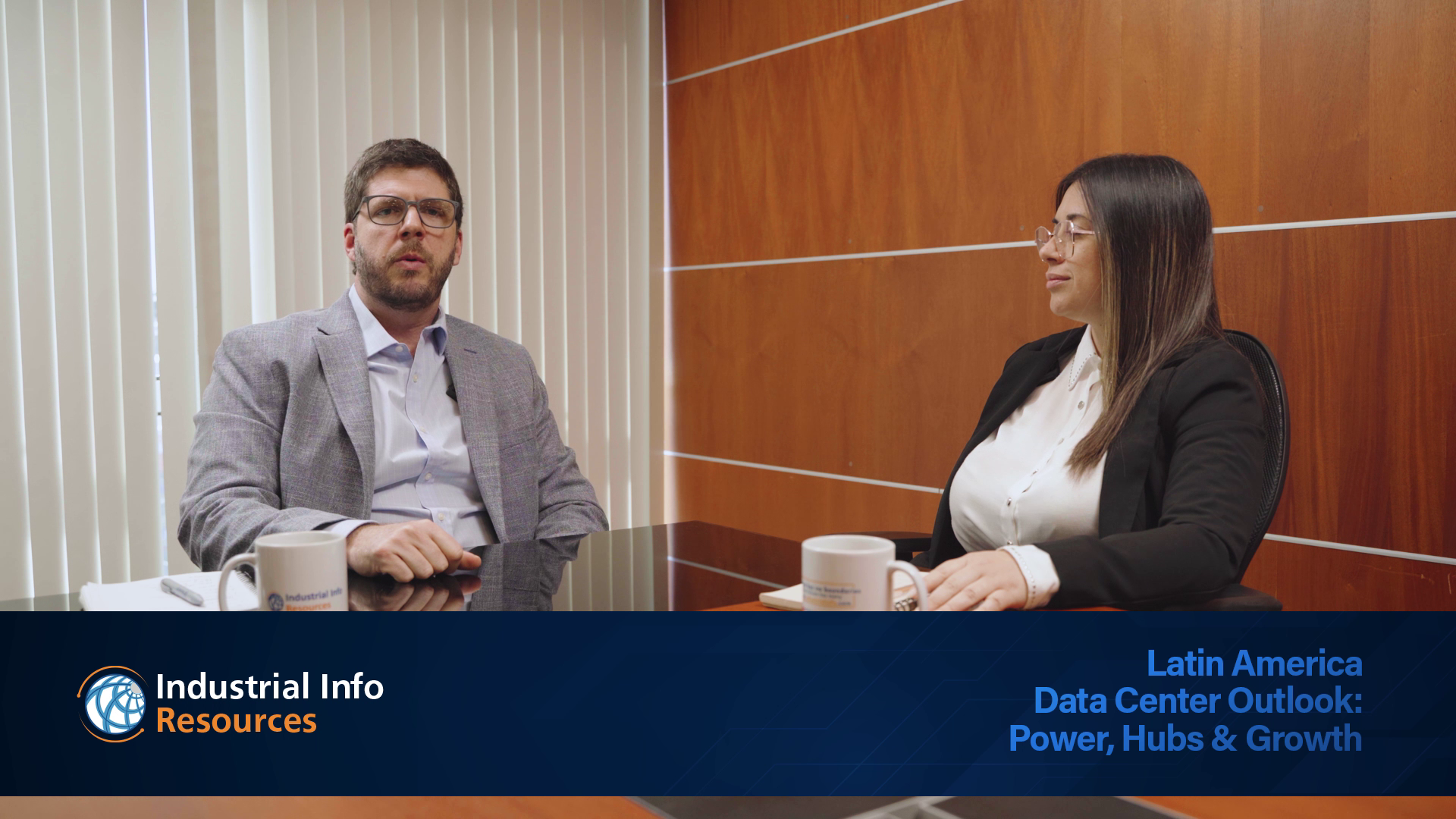
Latin America Data Center Outlook 2026: Power, Hubs & Growth
Can Latin America become the next data center hub? IIR experts unpack 2026 trends across São Paulo, Querétaro, Santiago, and grid limits.
Food & Beverage
Food and Beverage CapEx Outlook 2026: Tariffs, AI, Africa
Why are food producers spending cautiously despite strong demand? IIR experts unpack 2026 CapEx trends across ROI-driven budgets, AI and automation, and emerging markets.
Refining
North America Refining 2026: New Pipelines to PADD 5
Is North America's refining system built for what's coming? IIR experts unpack 2026 trends across PADD 5 pipelines, Canadian crude, and modular refineries.
Pharmaceutical & Biotech
Biomanufacturing Onshoring 2026: GLP-1, CDMO and Reshoring
Could pharma's onshoring boom outlast the tariffs that sparked it? IIR experts unpack 2026 trends across GLP-1 manufacturing, CDMO growth, and biomanufacturing site selection.