Written by Daniel Graeber for IIR News Intelligence (Sugar Land, Texas)
Summary
The International Energy Agency issued a blow-by-blow report on impacts from the closure of the Strait of Hormuz. Releasing barrels from strategic reserves isn't a solution.The Worst Energy Crisis Ever
Resuming waterborne traffic through the Strait of Hormuz is essential to easing the pressures from the worst oil shock in history, the International Energy Agency said.The global oil market was out some 10.1 million barrels per day (bpd) last month as attacks continued on energy infrastructure in the Middle East. Subscribers to the Breaking Energy News feature from IIR News Intelligence can access an evolving list of facilities impacted by a war that's led to the largest global energy disruption in history.
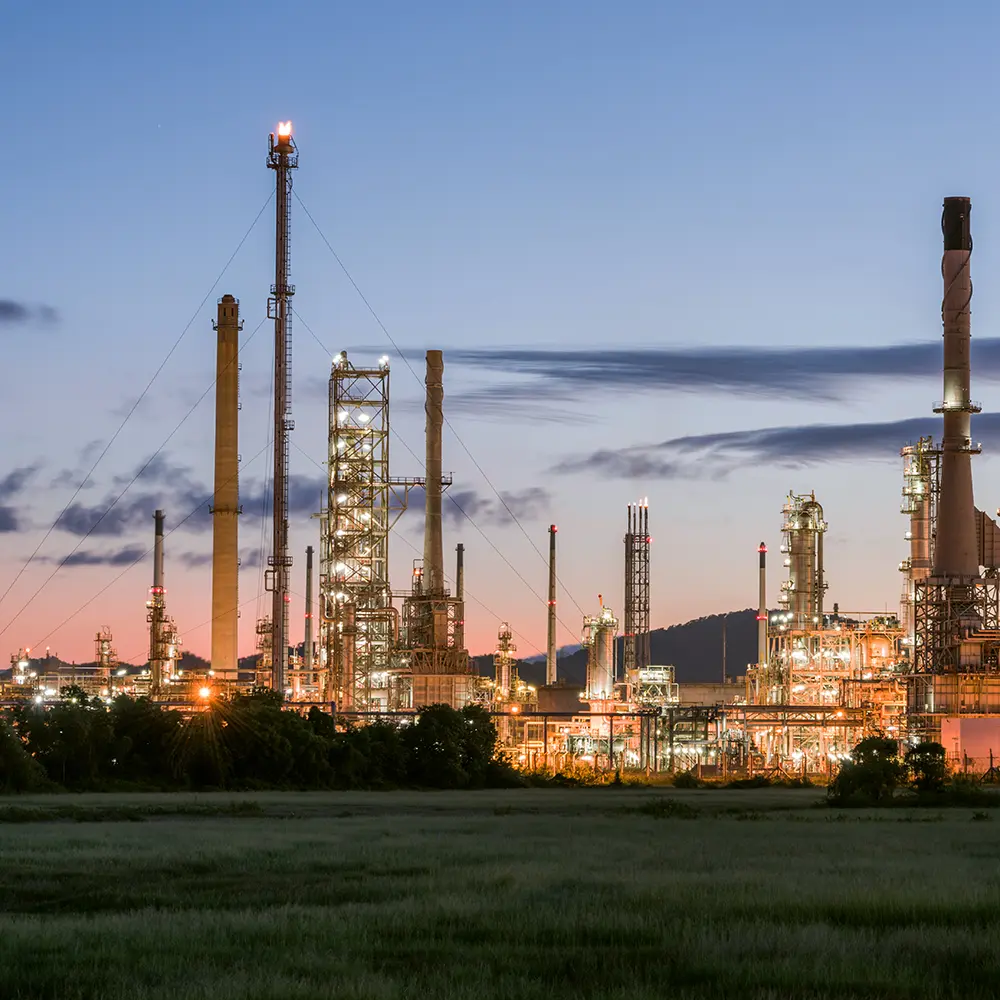
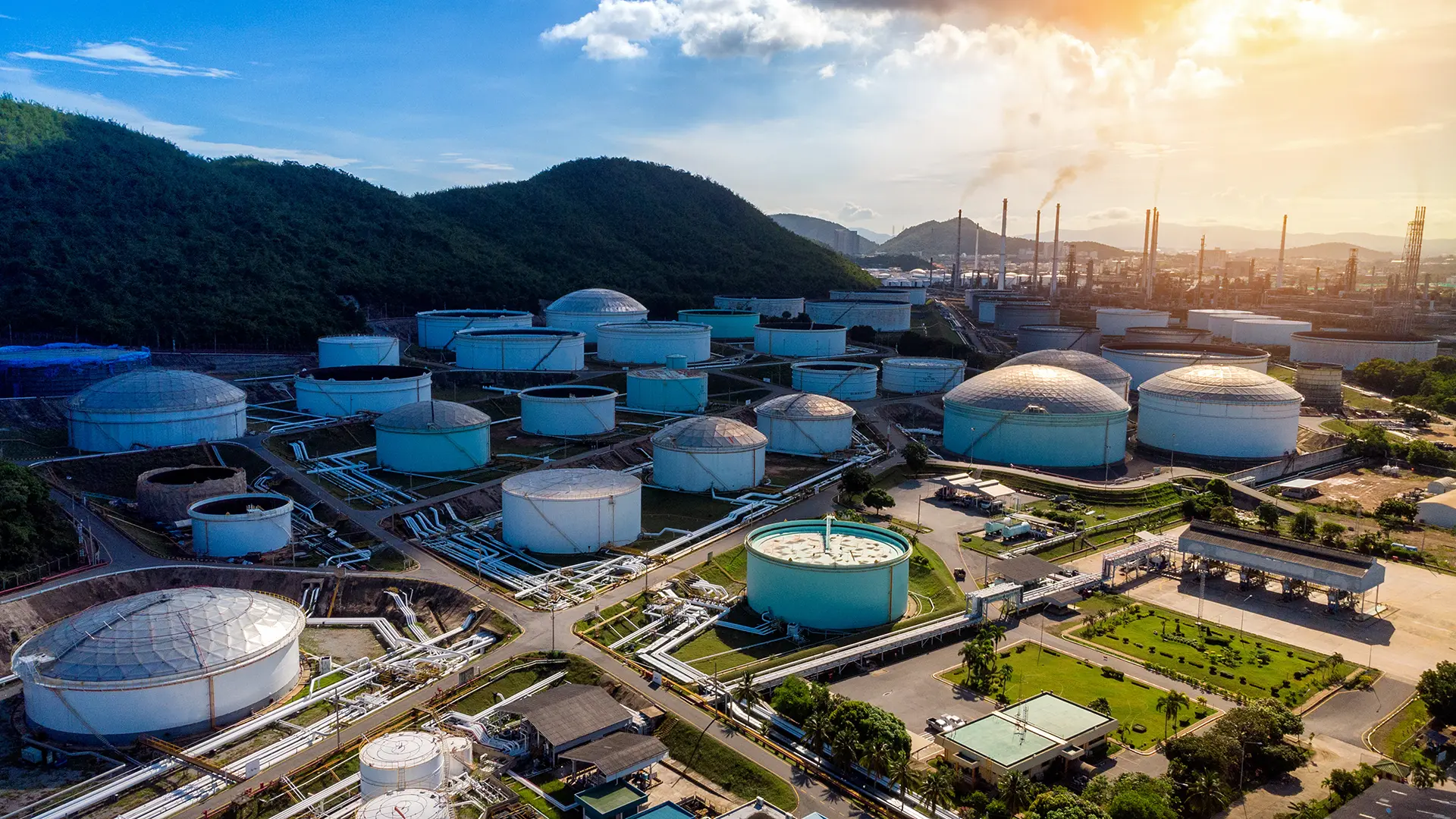
According to Industrial Info Resources data, there are 82 operational Petroleum Refining facilities across the Middle East. Subscribers to the Industrial Info Resources Global Marketing Intelligence (GMI) Petroleum Refining Plant Database can view a list of plant profiles.
"Resuming flows through the Strait of Hormuz remains the single most important variable in easing the pressure on energy supplies, prices and the global economy," the Paris-based agency said.
In the U.S. market, the world's largest, federal data released Tuesday show prices at the wholesale level at their highest level since February 2023. Consumer sentiment, meanwhile, is the lowest it's been since economists at the University of Michigan began keeping data.
For a deeper dive into the impact so far on the U.S. economy, readers are encouraged to review "Rising Energy Costs Cast Shadow over U.S. Economy," published Monday by IIR News Intelligence.
Frustrated with the progress of the war, U.S. President Donald Trump this week announced the U.S. military would block Iranian ports, while Tehran continues to limit the waterborne traffic moving through the Strait of Hormuz.
As a result, the IEA reported that global crude oil prices saw their largest monthly increase in history last month. Brent, the global benchmark for the price of crude oil, is up 38% since fighting began late February.
"With oil-importing nations scrambling to source replacement barrels from an increasingly shrinking pool of supply, physical crude oil prices surged to record levels near $150 per barrel, far above the prices in futures markets, with the physical-futures disconnect becoming increasingly acute," the IEA's report read. "Even steeper gains have been seen for refined products, with middle distillate prices in Singapore reaching all-time highs above $290 per barrel."
Apart from waterborne deliveries, thousands of barrels of oil remain trapped in the Persian Gulf, with only a few midstream networks capable of crude oil and natural gas deliveries.
Iraq and Kuwait are largely shut in, while Qatar said it would take years and billions of dollars in investment commitments to restore its liquefied natural gas (LNG) deliveries to the full capacity. Alongside the United States, Qatar is among the largest suppliers of LNG in the world.
Data from Gas Infrastructure Europe show gas storage levels are at just above 28% in the European Union, a record low. The first 30 days of the conflict added $16 billion to the import bills for member states.
Demand Destruction Could Help
Nevertheless, the agency said runaway prices and limited availability could deter demand. Demand in March is expected to show an 800,000-bpd year-on-year decline, and global oil demand is expected to drop on average by 80,000 bpd for the entire year.That compares to a growth forecast of 730,000 bpd for the year from the IEA's market report for March. Similar to the pandemic, demand destruction could eventually create headwinds for commodity prices.
IEA member states have already pledged to release 420 million barrels of oil from their strategic stockpiles, though that only covers about 21 days of oil that would normally move through Middle East waterways.
Fatih Birol, the head of the IEA, was quoted by the Reuters news service as saying an additional emergency response may be warranted, though tapping strategic reserves is "not a solution."
By the Numbers
- 420 million barrels pledged from strategic reserves
- 20% of global waterborne crude oil and LNG off the market
- Strategic reserves are only a band-aid.
- War taking a hefty economic toll.
Industrial Info Resources (IIR) is the leading provider of industrial market intelligence. Since 1983, IIR has provided comprehensive research, news and analysis on the industrial process, manufacturing and energy related industries. IIR's Global Market Intelligence (GMI) helps companies identify and pursue trends across multiple markets with access to real, qualified and validated plant and project opportunities. Across the world, Industrial Info Resources is tracking over 250,000 current and future projects worth $30.2 Trillion (USD).
/iirenergy/industry-news/article.jsp
false
Want More IIR News Intelligence?
Make us a Preferred Source on Google to see more of us when you search.
Add Us On GoogleAsk Us
Have a question for our staff?
Submit a question and one of our experts will be happy to assist you.

Explore Our EnergyLive Tools
EnergyLive Tools provide instant insight into new build, outages, maintenance, and capacity shifts across key energy sectors.
Explore Our ToolsRelated Articles

Explore Our Enery Industry Reports
Gain the competitive edge with IIR Energy’s suite of energy market reports, designed for traders, analysts, and asset managers who rely on verified, real-time data.
View ReportsIndustry Intel
-
2026-2027 Investment Radar for Mexico, Central America & the CaribbeanPodcast Episode / May 29, 2026
-
Innovations Shaping the Next Era of Power GenerationPodcast Episode / May 22, 2026
-
The Role of Contract Manufacturing in Global Pharma GrowthPodcast Episode / May 8, 2026
-
2026 North American Labor OutlookPodcast Episode / Apr 24, 2026
-
2026 European Metals & Minerals Project Spending OutlookPodcast Episode / Apr 7, 2026