Reports related to this article:
Project(s): View 2 related projects in Energy Live
Plant(s): View 2 related plants in Energy Live
Written by Daniel Graeber for Industrial Info Resources (Sugar Land, Texas)--With the race to secure more domestic resources of critical minerals in high gear, the U.S. Geological Survey (USGS) said it was investigating the potential in leftover material in mining waste.
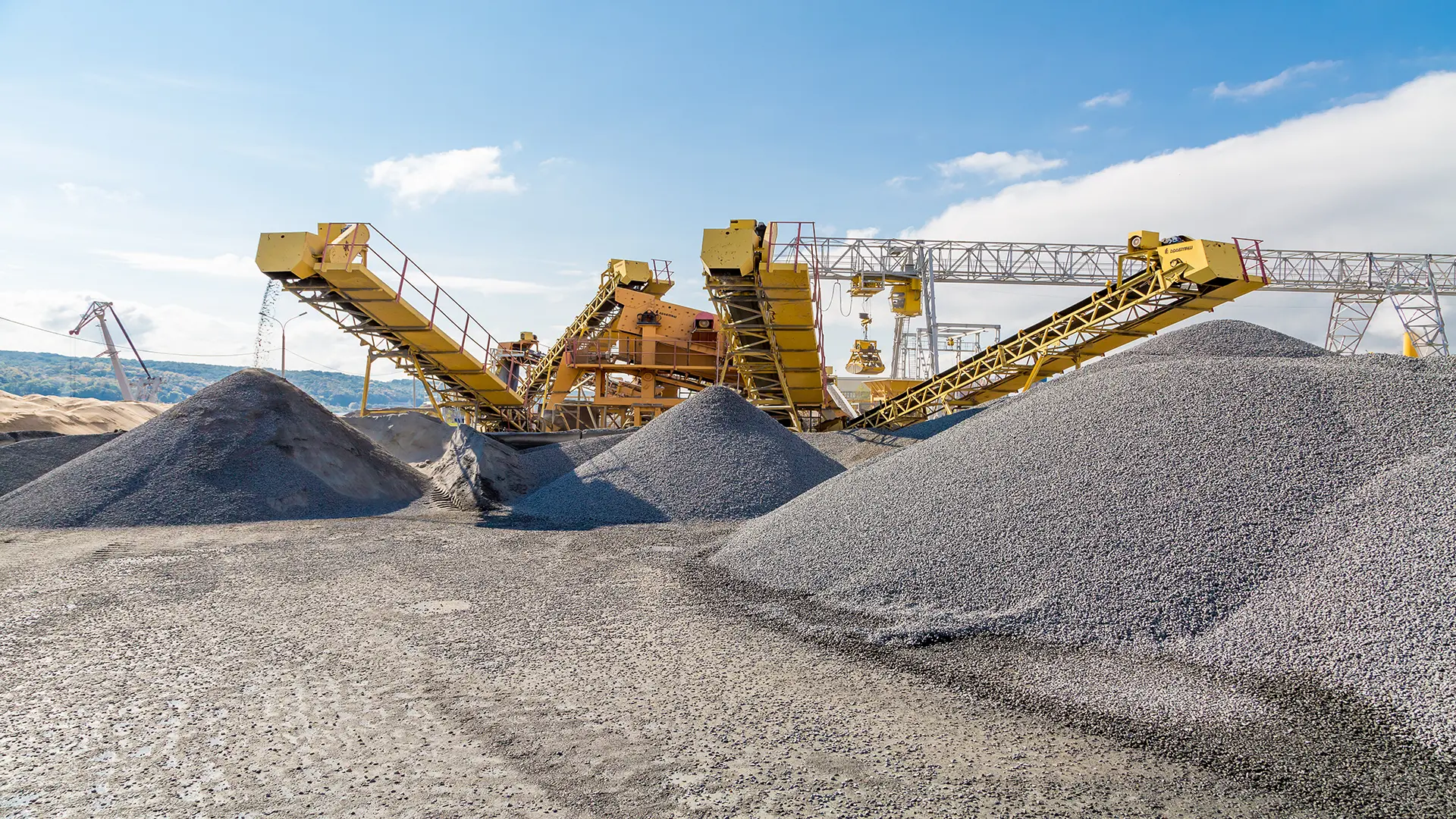
The USGS said multiple studies have found critical minerals are often left behind in legacy mining operations. Mining operations near Picher, Oklahoma., contain left-over amounts of zinc and germanium, while Utah's Bingham Canyon copper mine holds significant amounts of tellurium, used in defense technologies.
"Recovering critical minerals from mine waste is integral to strengthening America's mineral independence while promoting economic growth and national security," Scott Cameron, the Interior Department's acting assistant secretary for water and science, said Thursday.
Elsewhere, USGS estimates the Coeur d'Alene silver mine in Idaho holds roughly $2.5 billion worth of minerals, supporting the domestic effort to find materials for advanced technologies from hard drives to electric vehicles. IIR Energy finds that Idaho boasts $8.3 billion in capital spending across the state's metals and minerals sector, making it one of the largest industries in the state's economy. Subscribers to Industrial Info's Global Market Intelligence (GMI) Metals & Minerals Project Database can learn more by viewing the Coeur d'Alene project report.
Since his return to the White House for a second, non-consecutive term in office, U.S. President Donald Trump has advocated for strength. The United States is already the largest oil and gas producer and the largest exporter of liquefied natural gas in the world.
The Interior Department since his return has leaned on an emergency energy declaration to streamline reviews of critical mineral projects. Trump in declaring the emergency early this year said the lack of domestic developments left the country "vulnerable to hostile foreign actors."
Former President Joe Biden used similar measures to authorize the Defense Department to strengthen the U.S. domestic industrial base for large-capacity batteries used in the automotive, e-mobility and stationary energy storage sectors.
Trump, meanwhile, placed the Kings Mountain mining operation in North Carolina on fast-track status. Kings Mountain already received $150 million in federal funding to support construction of a facility that could produce 350,000 tons per year of lithium oxide concentrate. Subscribers can click here for a detailed report of the Kings Mountain development.
With few mines in service, the United States remains dependent on imports for many critical minerals such as lithium, with China controlling about 70% of the lithium market. Demand for lithium and other minerals is accelerating as the global economy embraces cleaner forms of energy, and as modern technologies such as computers and smart phones become ubiquitous.
The United States is not alone. The European Commission in 2024 passed the Critical Raw Materials Act, which mandates that member states extract at least 10% of strategic raw materials, process at least 40% of them and recycle at least 25% by 2030.
The race for domestic resources comes amid warnings from the International Energy Agency (IEA), which said in June that many nations may be vulnerable to foreign dependencies on critical minerals. "Diversification is the watchword for energy security, but the critical minerals world has moved in the opposite direction in recent years, particularly in refining and processing," an IEA statement read. "High market concentration increases vulnerability to supply shocks, particularly if, for any reason, supply from the largest producing country is disrupted."
Industrial Info Resources (IIR) is the leading provider of industrial market intelligence. Since 1983, IIR has provided comprehensive research, news and analysis on the industrial process, manufacturing and energy related industries. IIR's Global Market Intelligence (GMI) helps companies identify and pursue trends across multiple markets with access to real, qualified and validated plant and project opportunities. Across the world, IIR is tracking over 200,000 current and future projects worth $17.8 Trillion (USD).
/iirenergy/industry-news/article.jsp
false
Want More IIR News Intelligence?
Make us a Preferred Source on Google to see more of us when you search.
Add Us On GoogleAsk Us
Have a question for our staff?
Submit a question and one of our experts will be happy to assist you.

Explore Our EnergyLive Tools
EnergyLive Tools provide instant insight into new build, outages, maintenance, and capacity shifts across key energy sectors.
Explore Our ToolsRelated Articles
-
USGS Outlines List of Critical Minerals Prone to Supply Issu...August 28, 2025
-
Piedmont Lithium Reports Record Production VolumesAugust 11, 2025
-
Trump Fast-Tracks Two Lithium ProjectsJune 09, 2025

Explore Our Enery Industry Reports
Gain the competitive edge with IIR Energy’s suite of energy market reports, designed for traders, analysts, and asset managers who rely on verified, real-time data.
View ReportsIndustry Intel
-
Brazil Critical Minerals 2027: Rare Earths, Lithium, CopperPodcast Episode / Oct 16, 2026
-
US Craft Labor Outlook 2026: Wages, Per Diems, Data CentersPodcast Episode / Oct 16, 2026
-
Latin America Data Center Outlook 2026: Power, Hubs & GrowthPodcast Episode / Oct 9, 2026
-
Food and Beverage CapEx Outlook 2026: Tariffs, AI, AfricaPodcast Episode / Oct 9, 2026
-
North America Refining 2026: New Pipelines to PADD 5Podcast Episode / Oct 2, 2026