Podcast Overview
Together they cover the mining majors' capital budgets, record copper and gold prices, China's grip on critical minerals, and the long road for grassroots projects. They also look at how the Middle East conflict is reshaping aluminum and whether coal is getting a temporary window.
In short: demand drivers remain strong, but costs, permitting, and geopolitics are holding back the capital the energy transition needs.
Presenters
Video Language
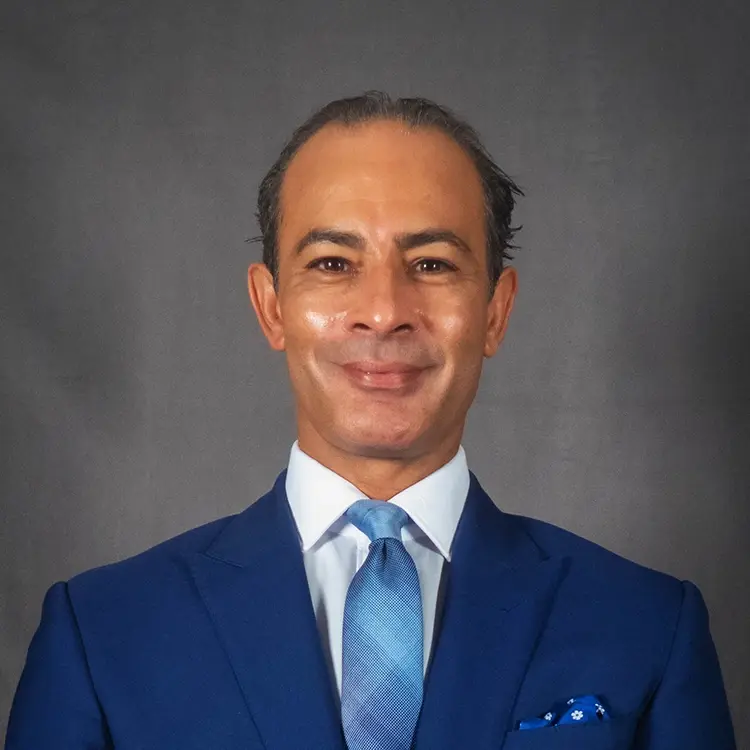
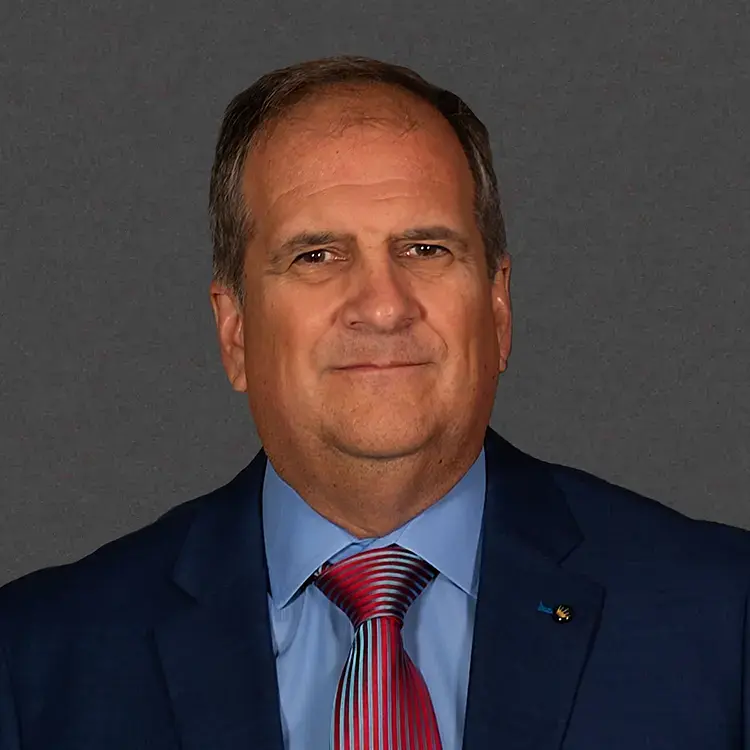
Welcome to Navigating the Currents of Change, where we bring together over four decades of trusted, researched data and industry insights. Built for the Answer Age. Let's dive in. My name is Shaheen Chohan, and I lead Global Analytics here at Industrial Info Resources. And to help me unpick some of the trends we are seeing, I am delighted to be joined by Joe Govreau. Joe is IIR's Global Head of Metals and Minerals Research.
Now today, the global mining industry is at something of an inflection point shaped by three converging forces. We have surging demand for critical metals and minerals. We have supply constraints. They remain. And also. Geopolitical realignments continue to place greater emphasis on securing supply and tightening control of strategic mineral resources. This is all having a tremendous impact right now on where and when projects are being developed. So the big question is, are we seeing a new mega cycle of capital investments now emerging, or are there still headwinds in place that could see us fall short of some of the most critical needed commodities?
But before we do that, I would like to say a big thank you to our podcast sponsor. Hilliard Corporation is the world leader in industrial braking technology. Hilliard Braking Systems has a proven track record of performance, reliability, and value. Hilliard offers a wide range of industrial modular brakes, calipers and electric brakes, and rail and disc brakes, Power units, and mounting brackets. So thank you very much to the folks over at Hilliard.
Now, Joe, we are now just past, I guess, that half point of the year, and we've obviously seen considerable volumes and levels of volatility and change. Certainly we've seen elevated commodity prices right now. Looking forward for the remainder of this year and certainly into next year, are we expecting to see any changes in the direction of project spending activity?
Joe Govreau (02:22):
Yeah, I think in general things are moving ahead. But spending is fragmented regionally and we're seeing more volatility around geopolitical events. Of course, if you're in the Middle East, your projects are probably delayed right now. The US is a very different market, on the other hand, with a lot of emphasis being placed on supply chain security and reshoring. I think the long-term drivers for project activity are still in play.
The energy transition continues to place upward demand on metals and minerals for electrification infrastructure. This has now been intensified with the AI data center boom that we're seeing. This is increasing demand for copper, aluminum, steel and critical minerals. So all the drivers remain. However, we're seeing constraints that are delaying project activities, such as mentioned geopolitical conflicts, along with increased project cost, energy, labor cost increases, elongated permitting time and tariffs. All impacting project activity as we look forward to 2027.
Shaheen Chohan (03:27):
Now, in the past, we have talked a lot about, you know, those mining super cycles. And I think the last one we saw was way back in sort of 2000 to 2011, which was really being driven by China's economic boom years.
Now obviously, as you just highlighted, we've got multiple demand drivers in play. You've just referenced data center build-out. We've got increased spending now on defense-related technologies. And that's obviously layering on top: the continued growth in renewable, you know, power generation and the build-out of renewable technologies. Would it be right to say we are in something of a new supercycle, or is it just a little bit too premature to say that?
Joe Govreau (04:17):
Yes, Shaheen, I think we've been in an up cycle since the bottom of the market in 2017. We've seen project spending more than double during this period. This chart is a chart of mining major spending. And it supports that view. It looks like spending may plateau next year with companies like Rio Tinto planning to spend less, but I think this spending cycle will be long and drawn out into the foreseeable future.
Shaheen Chohan (04:43):
So does that mean we're actually now starting to see all of the mining majors starting to lift their capital budgets? They're lifting, you know, their commitments to the market to bring new projects to market. And are you typically seeing more grassroot type spending, or is it still some of the old legacy spend around expansions and, you know, going deeper?
Joe Govreau (05:07):
Yeah, I think it really depends on the company. Like you say, it's kind of a mixed bag. So due to rising project costs and extended permitting times, miners have to be strategic about when and where they spend their money. Projects with lower cost and quicker payback are being prioritized.
BHP Group and Rio Tinto are the two largest companies for project activity. Both are spending $11 billion this year. BHP is planning to spend about the same next year, although Rio Tinto said it will drop spending to about 10 billion. Still quite a lot of spending. Freeport-McMoRan is planning to make financial investment decisions during the second half of this year on two major projects. Including the Bagdad Mine expansion, which is about a $3.5 billion project in Arizona, a copper mine, and a life extension project for the El Abra copper project in Chile, which is a project that exceeds $5 billion. All in all, we're tracking about 91 projects for Freeport, totaling more than $14.3 billion.
Anglo American and TEC are merging to form Anglo Tech, and that $53 billion merger is expected to be finalized within the next 12 months after regulatory approval.
Shaheen Chohan (06:32):
Joe, I'd like to touch on some of those specific themes or trends that are emerging that you and your researchers are kind of tracking around the world. Are there any specific sectors or indeed commodities where you're seeing higher volumes comparative to what we've seen over the last few years? Any higher volumes of investment flowing into them? And why is that so?
Joe Govreau (07:02):
Yeah. The largest markets are copper and gold. Both are near historic, high price wise. Gold was at $4,100 an ounce, and copper is about $6.45 a pound. Energy transition has really been turbocharged by the AI data center buildout and is increasing copper demand at a time where some major copper mines are shut down or having production issues. For example, Cobre Panama, one of the largest copper mines in the world, has been shut down since 2023. Negotiations on a new ownership partnership are going on. But the owner of First Quantum has hired 1000 employees in anticipation of a full startup.
Iron ore and coal investments are the third and fourth largest commodities for project activity, but these two have really declined significantly in recent years as the world decarbonizes, growth and coal is not needed, and a slowdown in China's economy is impacting iron ore demand. And then, of course, other critical minerals are getting a lot of attention, especially those controlled by China, such as lithium, rare earths, tungsten and antimony, just to name a few. And we're seeing more activity in downstream refining and recycling of critical minerals.
Shaheen Chohan (08:29):
Joe, I'd like to stay with that last theme, the critical minerals, the rare earths. Geographically, where is the primary concentration of most of those resources? But also it's not just about, I guess, the mined resource. It's also about the refining and processing of those. Correct?
Joe Govreau (08:42):
Yeah. And predominantly that's China. And that's the problem because when they decide to turn off supply, it impacts the supply chain for things like permanent magnets and defense materials. But we are seeing growing production in the US, Australia, Brazil, Canada, Malaysia, Thailand, and Vietnam; all have major projects to expand and add rare capacity.
Shaheen Chohan (09:12):
Now, Joe, we always talk about this eternal, you know, problem, this conundrum where demand for certain commodities is, I guess, exceeding supply. And and this often has been highlighted with certain metals. I think you've already referenced copper a little earlier. Are you now seeing a growth or commitment towards grassroot developments, or are we continuing to see, you know, traditional type spending, which I think we've touched on before. In the past, the theme was always around expansions, right?
Joe Govreau (09:48):
Yeah, yeah. And we're seeing, definitely large grassroot projects in the works, but that can take considerable time to develop and a lot of money. Some mining projects can take 20 to 30 years to permit and construct.
Take, for example, a Resolution Copper project in Arizona. It's a $6 billion project. We've been tracking that project since 2005, although that one has progressed and approved about $500 million for early-stage infrastructure over the next year. But it's still probably 1 to 2 years before final permits and FID are approved. So it's a long history of delays due to tribal litigation and other political shifts and priorities.
More and more companies are focusing on optimizing existing assets where they can. Expanding existing mines to take advantage of these costly assets.
Shaheen Chohan (10:53):
With commodities generally being seen now as, I guess, a kind of a geopolitical component, we've seen a lot of debate and back and forth with the US and China around trade tariffs. Are there any sort of spikes or rising capital trends being seen with some specific geographies because of now the interplay with how important commodities, metals, minerals are playing in the kind of the geopolitics of the landscape out there at the moment?
Joe Govreau (11:19):
Yeah, there's a real war going on for control of critical minerals, especially in Africa and Latin America. So we see, you know, China, Russia, US, and other countries investing into those jurisdictions. A lot of government funding for partnerships and reshoring production, especially in the US and EU markets
Shaheen Chohan (11:43):
The Middle East. Clearly, the conflict continues. We were hoping it would be over by this time, you know, coming into the middle of the year. But unfortunately, the situation still continues. And obviously, in particular for your industry, there has been an impact on regional aluminum production. Do you think because of that, both on the production side, but also the issue of trying to get aluminum and all those other commodities through the Straits of Hormuz, which is is still not possible. Has this lent more capital flow into downstream aluminum capacity, possibly elsewhere in the world? And if so, where are we starting to see that?
Joe Govreau (12:25):
Yeah. Well, the Persian Gulf accounts for about 9% of the global aluminum supplies. So several large smelters have been hit by drone attacks, bringing production to a halt and causing extensive damage which is in the process of being repaired. Alba in Bahrain has placed all projects on hold while it rebuilds. Most of the aluminum producers in the Middle East are in the process of expanding or have been recently, so the conflict has delayed development significantly.
Worldwide, there's a lot of excess capacity for aluminum, so we do see some projects to turn back on some lines that may have been shut down in some cases. But I think it's more of an impact in the Middle East for Middle East producers.
Shaheen Chohan (13:20):
Now, the Middle East conflicts also upended a lot of the global oil and gas trade flow and supply, and certainly placed a lot more pressure on gas supply around the world, right? In Asia, there has been some clear evidence and signs of gas to coal switching by the power generation side of the market. Do you now think that we see more focus on coal as a commodity? Bearing in mind that we are expecting to see very tight supply of gas around the world, and with that also elevated gas prices. So could this be a small, maybe temporary window for coal mining and downstream coal?
Joe Govreau (14:00):
Yeah, I definitely think the focus of the attention is on how important coal is. We haven't really seen that result in a lot of spending for coal right now. Actually, the overall spending is declining worldwide, but there are investments in coal. And it remains an important part of power generation, especially in Asia. We've seen many power generation companies postpone retirement of coal fired generation, sometimes under government order as in the US, but so far that hasn't really resulted in a huge increase in mining project activity.
Shaheen Chohan (14:44):
And I guess in the US, that's not a dissimilar theme as well. We've seen the administration add some additional policy support and also some instruction to the coal fired power market to extend and keep operational, which is good for your mining industry, right?
Joe Govreau (14:56):
Yeah.
Shaheen Chohan (14:56):
That brings us to the end of our discussion. I guess it's fair to say that the outlook across the mining supply chain is looking quite favorable, certainly in terms of strong long-term demand fundamentals. But as has been the case for a number of years now, there remains a number of practical challenges still in place that are holding back, I think, the full potential of capital flow that is clearly needed to help us meet the energy transition.
So with that, all I would like to do is just say a couple of very big thank yous. First, to all of the folks over at Hilliard. Thank you for your support today. If you would like to find out any more about the products or services they offer, then please do visit their website. And also a big thank you to you, Joe. Thanks for sharing your insights and your perspective today.
Joe Govreau (15:48):
Thanks, Shaheen.
Shaheen Chohan (15:48):
If any of you have any questions about any of the points that we've discussed today, then please do reach out to myself or to Joe via our contact details that you can see here. And finally, a big thanks to all of you who've taken time out to join us. I hope we've helped you all better navigate some of the currents of change we are seeing. Welcome to the Answer Age.
Sponsored by

Recent Podcast Episodes
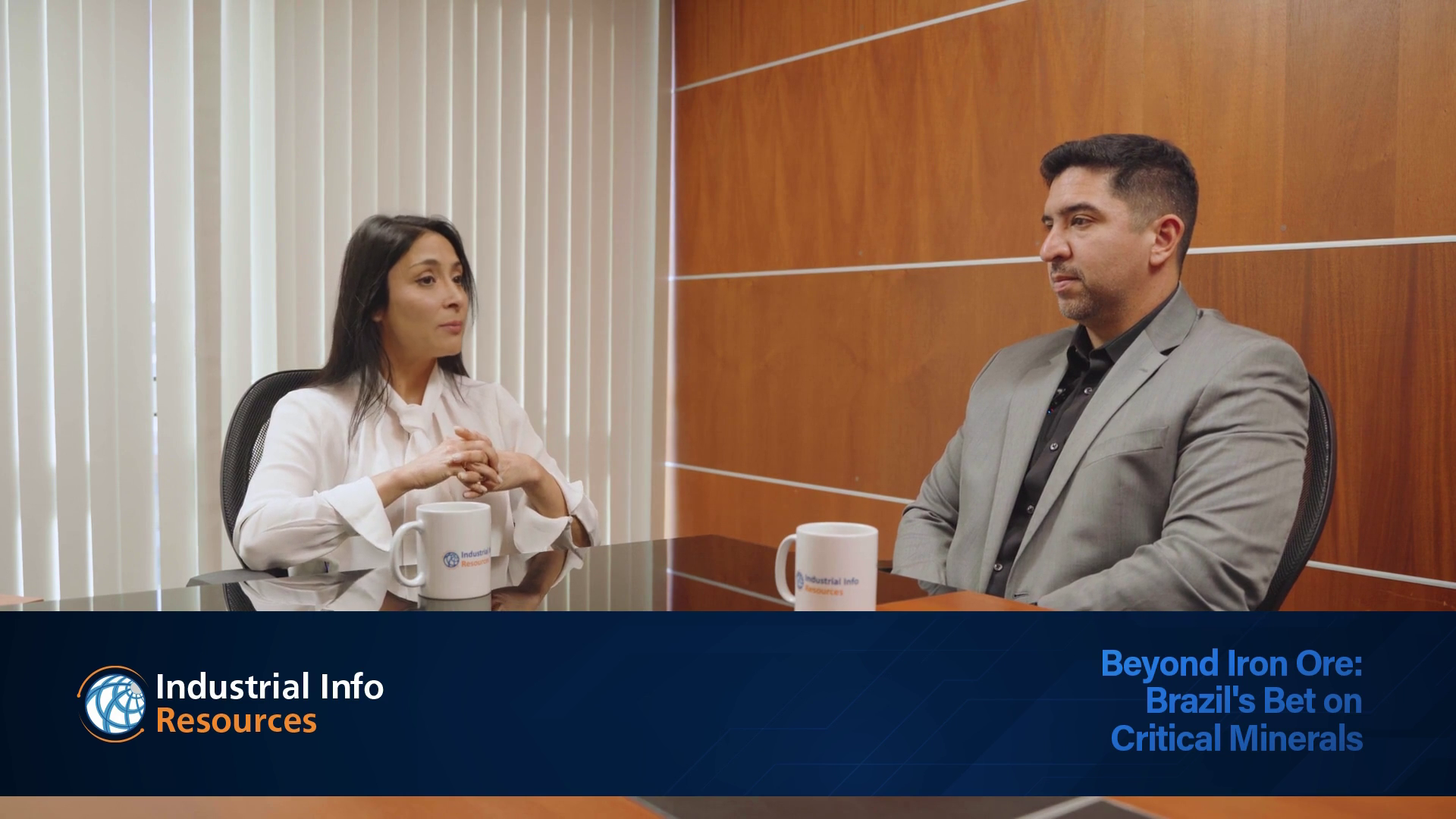
Metals & Minerals
Brazil Critical Minerals 2027: Rare Earths, Lithium, Copper
Is Brazil's mining story still just about iron ore? IIR experts break down 2027 trends across rare earths, lithium, and government financing.
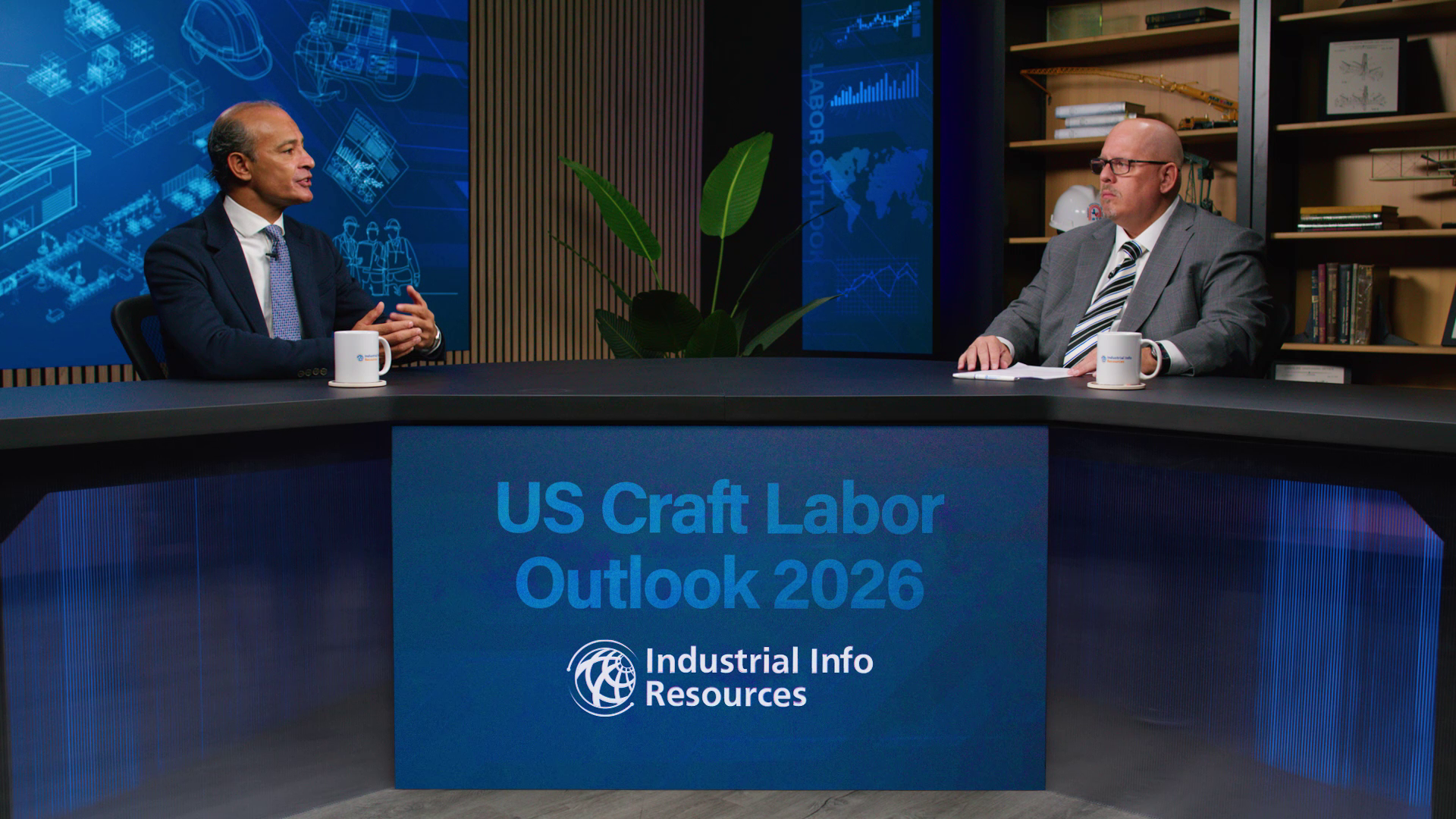
All Industries
US Craft Labor Outlook 2026: Wages, Per Diems, Data Centers
Why are wages and per diems still climbing across US construction? IIR experts unpack 2026 craft labor trends across data centers, per diems, and apprenticeships.
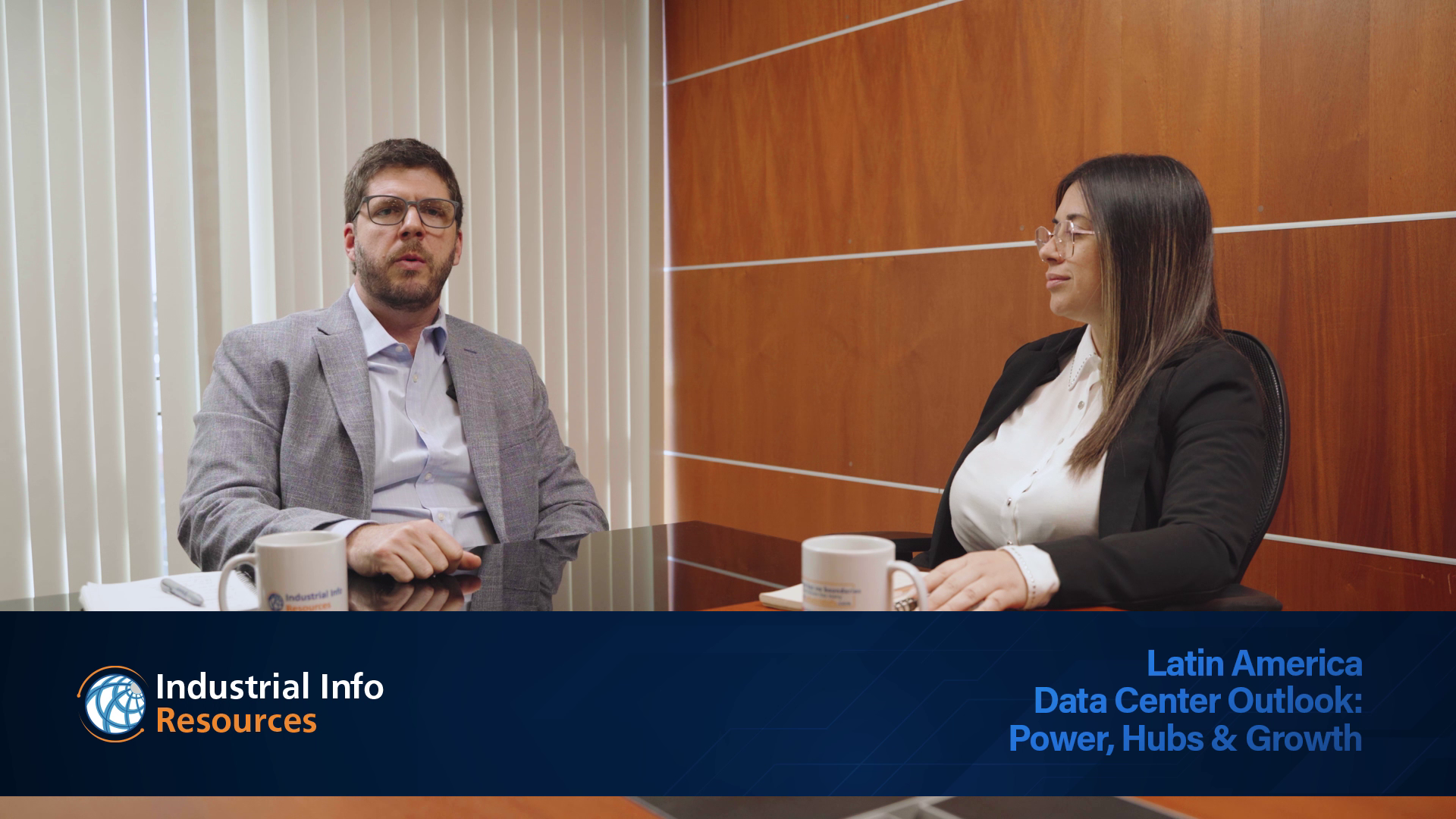
Data Centers
Latin America Data Center Outlook 2026: Power, Hubs & Growth
Can Latin America become the next data center hub? IIR experts unpack 2026 trends across São Paulo, Querétaro, Santiago, and grid limits.
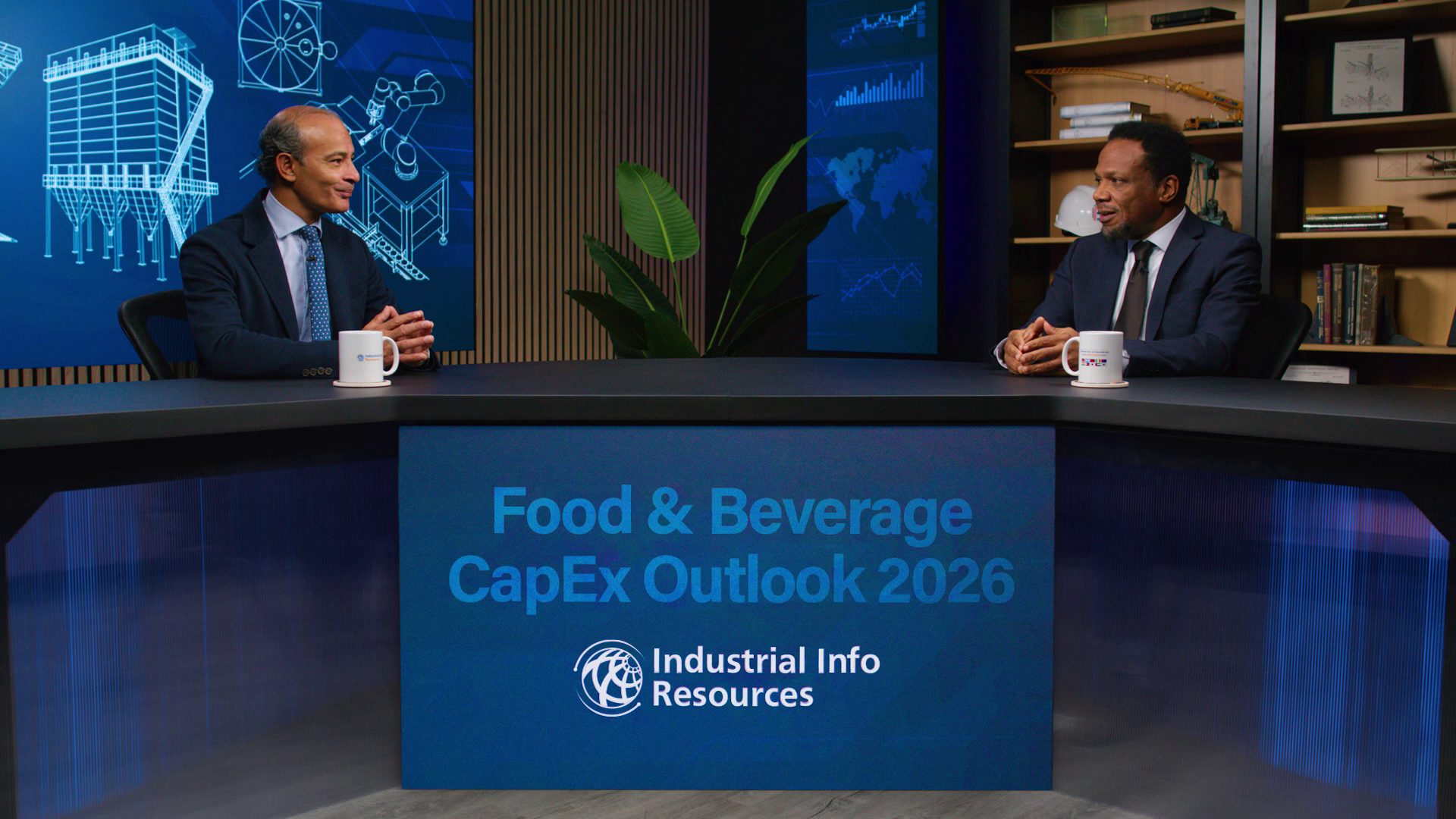
Food & Beverage
Food and Beverage CapEx Outlook 2026: Tariffs, AI, Africa
Why are food producers spending cautiously despite strong demand? IIR experts unpack 2026 CapEx trends across ROI-driven budgets, AI and automation, and emerging markets.