Power
Norway's $1.25 Billion Integrated CHP Gas-Fired Projects Bring CO2 Disposal Challenges
the total power generating capacity of the country was 27,940 MW of which 27,650 MW was hydropower and a miniscule 270 MW was thermal sourced
Released Thursday, July 15, 2004
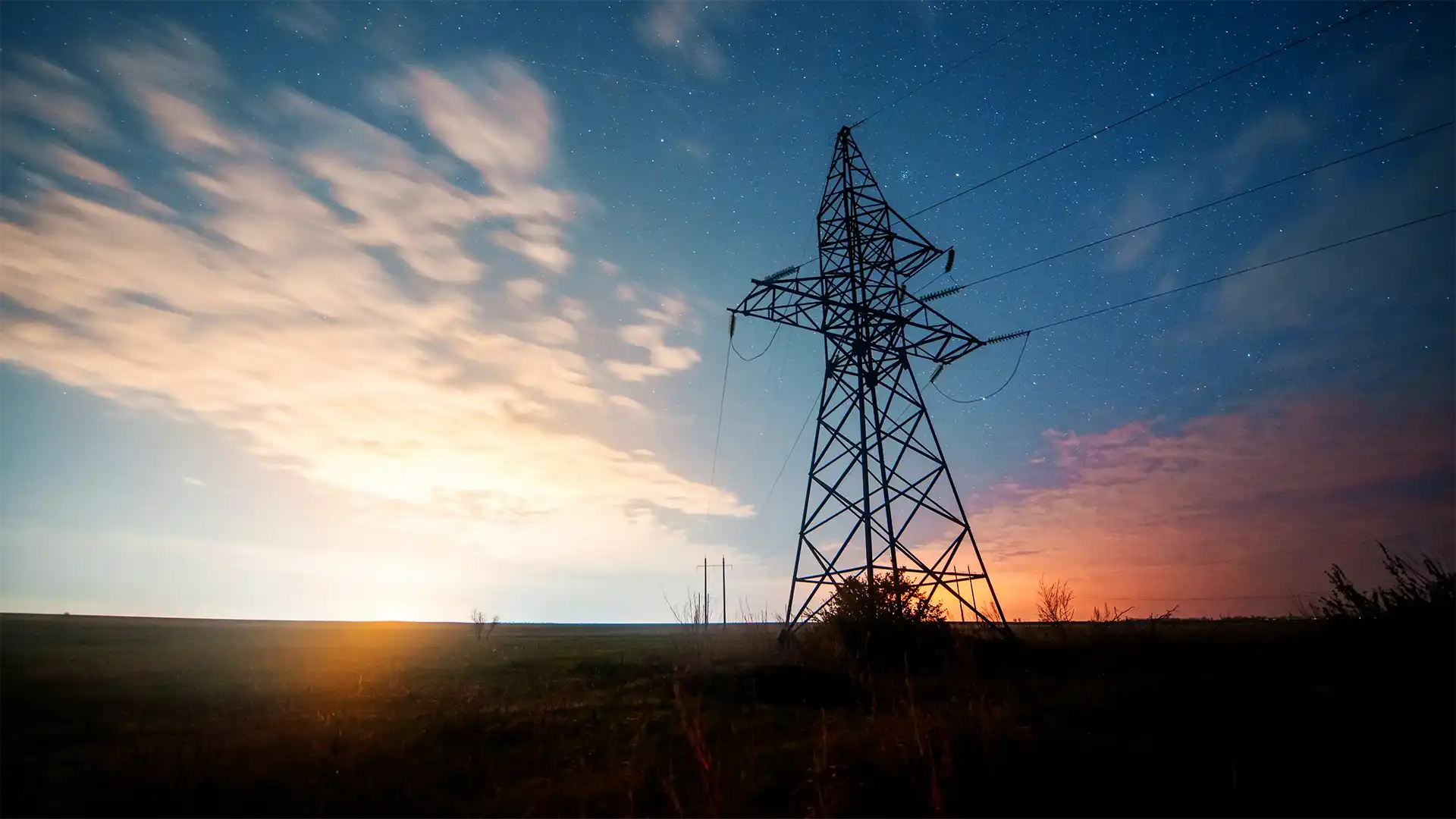
Researched by Industrialinfo.com (Industrial Information Resources, Incorporated; Houston, Texas). Norway's power generation industry is in the process of moving toward using its own natural gas resources as feedstock for new power generation projects. This has caused some soul-searching. However economically practical, the shift may be, up to now 99% of the country's power supply has been generated from 'clean' hydroelectric plants, of which there are 850 in the country, both large and small.
In 2001, the total power generating capacity of the country was 27,940 MW of which 27,650 MW was hydropower and a miniscule 270 MW was thermal sourced.
Although, three gas powered generating sets are already operating on Norwegian offshore platforms, the first two large-scale gas-fired land-based power plants are now coming up for approval by the Norwegian Water Resources and Electricity Directorate (NVE).
Both the 280 MW combined heat and power (CHP) plant at Statoil's Mongstad refinery near Bergen and Statoil's 860 MW Tjelbergodden refinery and methanol plant will be developed under an umbrella contract recently agreed upon between Norway's Statoil (NYSE:STO, OSE:STL) (Stavanger, Norway) and Denmark's Elsam (Skaerbaek, Denmark).
The total value of the work on the two plants is $1.25 billion with Statoil contributing $588 million and Elsam responsible for $662 million. Elsam will build the Mongstad plant as the owner with equity in the project, to be apportioned between the two companies at a later stage, with Elsam retaining 51% to 100% of the project. A percentage of the power from Mongstad will be supplied to the offshore Troll A platform and to the gas processing plant at Kollsnes, south of Mongstad. Power and heat will also be supplied internally to the refinery. The plant will be fuelled with surplus gas supplied by the refinery and natural gas from Troll, which would come through a new pipeline from Kollsnes.
In this nicely worked handshake between gas, heat, and power, the plant will offer energy efficiency of about 70% with room for further improvement and with even lower CO2 emissions per unit of energy. However overall CO2 emissions at Mongstad will rise from about 1.7 million tons per annum to 2.6 million tons. Here the developers do not make a comparison with hydropower emissions, but claim that the project will still contribute to a reduction of more than 100,000 tons of emissions as compared with buying the electricity in the market and importing it. Well...maybe.
Investment in Mongstad will be around $440 million, with $88 million for the new gas pipeline from Kollsnes and a similar amount invested in refinery modifications. The 280 MW (2.2 tWh/annum) plant, scheduled to begin operation in 2008, will be designed to fit with the refinery's heat requirements of about 350 MW.
The $810 million Tjeldbergodden project will see methanol production increased by 35% per annum, from the current 900,000 tons to 1.2 million tons. The plant will continue to be fed from gas piped ashore from Heidrun in the Norwegian Sea. $190 million will be spent on the expansion of the methanol plant.
The 860 MW plant (7 tWh/annum) will help meet a 0.2 tWh rise after expansion plans become effective. The remaining output will be fed into the national grid, which has a shortage caused by major growth in industrial developments. The expansion will increase Tjelbergodden's CO2 emissions from about 350,000 tons a year to 3 million tons. The developers are looking at a 2008 start-up following finalization of license terms and conditions in 2006.
On the CO2 question, Peter Hostgaard-Jensen, CEO of Elsam, said "We would like to cooperate with Statoil on pumping CO2 from our power plants into the North Sea oil fields." This is an intriguing idea, as Statkraft and Norsk Hydro, who own gas developer Naturkraft along with Statoil, already have major experience in the Snohvit project, which entails pumping CO2 back and sequestering the gas below the seabed after it has been depleted in the gas refinery process onshore. There is a hint in the market that Naturkraft may have cleanly competitive feelings toward Elsam in the matter.
Acting Statoil CEO, Einar Stromsvag, is advisedly less specific in his comments. "We are presenting a suggestion for future-oriented and pioneering projects, which secure long term, profitable development and employment at important industrial locations. Norway has today a shortage of power. By producing electricity from Norwegian natural gas, we reduce the need to import power from more polluting sources. By building power stations integrated with the industrial plants, we can achieve good energy utilization and spread shared costs to secure profitable electricity output from Norwegian gas."
View Project Report- 80900042 80900048
/news/article.jsp
false
Want More IIR News Intelligence?
Make us a Preferred Source on Google to see more of us when you search.
Add Us On GoogleAsk Us
Have a question for our staff?
Submit a question and one of our experts will be happy to assist you.

Forecasts & Analytical Solutions
Where global project and asset data meets advanced analytics for smarter market sizing and forecasting.
Explore Our SolutionsRelated Articles

Industrial Project Opportunity Database and Project Leads
Get access to verified capital and maintenance project leads to power your growth.
Discover Our DatabaseIndustry Intel
-
2026-2027 Investment Radar for Mexico, Central America & the CaribbeanPodcast Episode / May 29, 2026
-
Innovations Shaping the Next Era of Power GenerationPodcast Episode / May 22, 2026
-
The Role of Contract Manufacturing in Global Pharma GrowthPodcast Episode / May 8, 2026
-
2026 North American Labor OutlookPodcast Episode / Apr 24, 2026
-
2026 European Metals & Minerals Project Spending OutlookPodcast Episode / Apr 7, 2026