Power
German Nuclear Phase-Out Creates Major New Coal and Gas-Fired Power Investment Opportunities
Looking at the next seven years German energy companies will spend at least $6.5 billion in the state of North Rhine Westphalia alone.
Released Monday, March 28, 2005
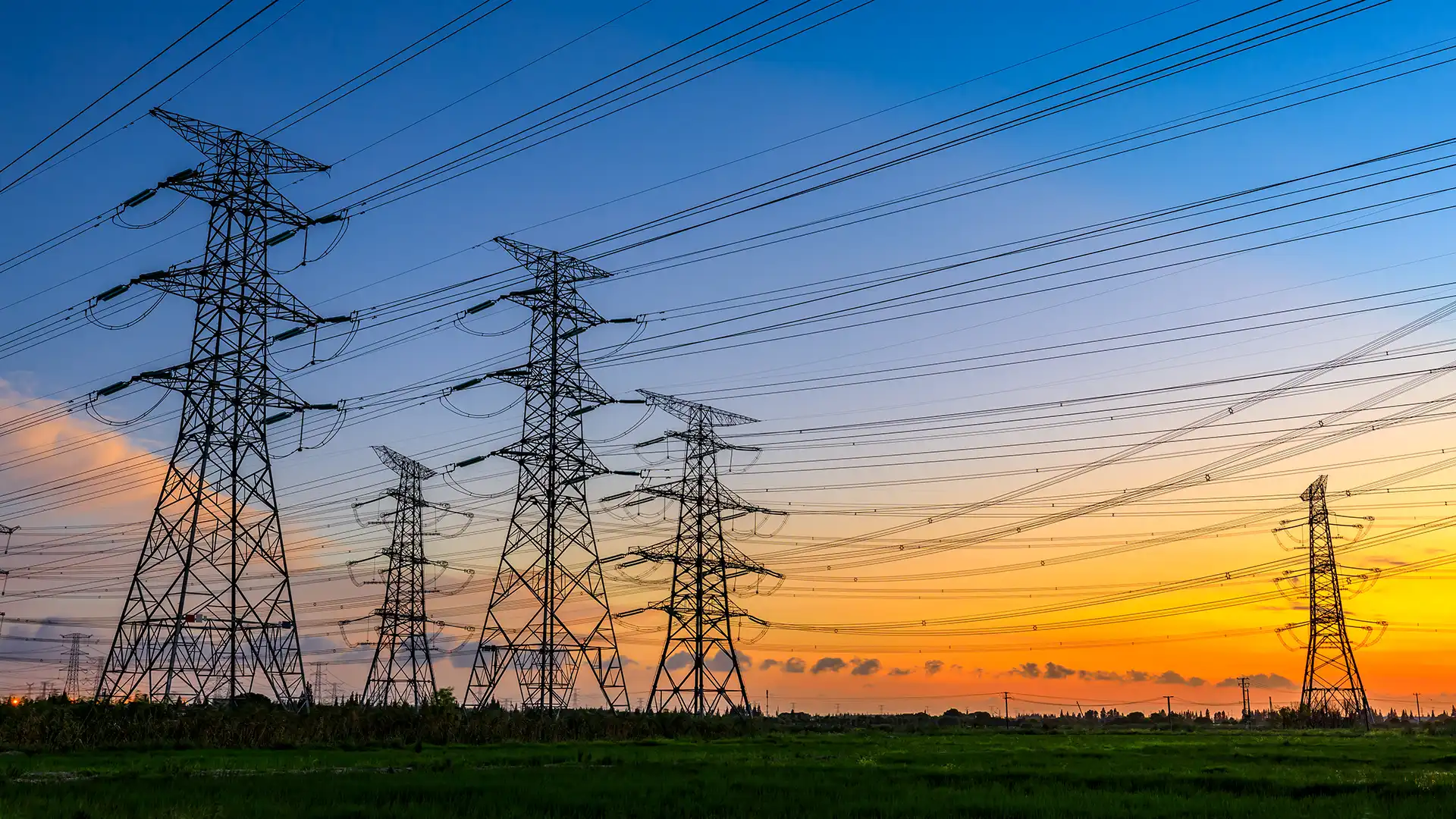
Researched by Industrialinfo.com (Industrial Information Resources, Incorporated; Houston, Texas). Towards the end of February, Harry Roels, CEO of German power utility RWE (Frankfort:RWE) (Essen, Germany), said that the company would invest $16 billion in German electricity generation over the next fifteen years. The energy gap in the German power generation market has been enlarged by the need to replace 40,000 MW of capacity over the next 20 years, as nuclear generation is phased out and old fossil fuel plants are replaced.
Looking at the next seven years German energy companies will spend at least $6.5 billion in the state of North Rhine Westphalia alone. This will cover the construction of seven new power plants in the state. RWE will invest $2.8 billion in a new coal powered plant in Neurath, where it currently operates a 1,100 MW coal-fired plant. E.ON (NYSE:EON) (Duesseldorf, Germany) will put over $1 billion into a coal-fired plant in Datteln.
Steag (Essen, Germany) and EVN (OTC:EVNVY) ( Marie Enzersdorf, Austria) have announced that they are working in a joint project (51% Steag/49% EVN) to develop a 'cutting edge' hard coal-fired 750 MW power plant at the Duisburg-Walsum power plant site in North Rhine Westphalia. Steag already operates a 600 MW cogeneration plant at the site, which supplies domestic district heat systems and process steam to the Norske Skog paper mill.
With the phasing out of nuclear power, as envisaged over the next twenty years, replacement feedstocks will be gas and coal, plus a significant additional margin from windpower and other renewable sources, in which Germany is the world leader. Power imports will probably come from France and the Czech Republic.
Germany's coal reserves represent 7% of the world's total. At the end of 2002 hard coal reserves were estimated at over 25 billion tons, and lignite reserves at 47 billion tons. Germany is the world's largest producer of lignite coal, and about 75% of coal is used as feed for electrical power generation. Currently, over 50% of electrical power comes from fossil fuels, and 28% from nuclear power stations. Coal and nuclear energy account for 75% of German power generation.
In the past decade, Germany has imported coal from Australia, Canada, Poland, South Africa, and Colombia to make up a 17% imbalance caused by restructuring after the reintegration of the eastern and western halves of the country. Germany imports about 75% of its natural gas, which is a feed for 25% of the country's energy consumption. Demand for natural gas is forecasted at between 2.5% and 3% through 2010. Renewable energy's contribution in 2004 rose by 1.5% to 9%.
A 1.3% annual growth in electricity consumption has been forecasted through 2010.
View Project Report - 73000079
Industrialinfo.com is the leading provider of global industrial market research. We specialize in helping companies develop information solutions to maximize their sales and marketing efforts.
/news/article.jsp
false
Want More IIR News Intelligence?
Make us a Preferred Source on Google to see more of us when you search.
Add Us On GoogleAsk Us
Have a question for our staff?
Submit a question and one of our experts will be happy to assist you.

Forecasts & Analytical Solutions
Where global project and asset data meets advanced analytics for smarter market sizing and forecasting.
Explore Our SolutionsRelated Articles

Industrial Project Opportunity Database and Project Leads
Get access to verified capital and maintenance project leads to power your growth.
Discover Our DatabaseIndustry Intel
-
2026-2027 Investment Radar for Mexico, Central America & the CaribbeanPodcast Episode / May 29, 2026
-
Innovations Shaping the Next Era of Power GenerationPodcast Episode / May 22, 2026
-
The Role of Contract Manufacturing in Global Pharma GrowthPodcast Episode / May 8, 2026
-
2026 North American Labor OutlookPodcast Episode / Apr 24, 2026
-
2026 European Metals & Minerals Project Spending OutlookPodcast Episode / Apr 7, 2026