Power
IEA: Only Renewables and Electric Vehicles on Track for Clean Energy Goals, while Nuclear Lags Post-Fukushima
The nuclear sector has only achieved 3.6-gigawatt net growth on average over the last three years, taking into account the losses following the Fukushima disaster
Released Friday, April 19, 2013
Written by Richard Finlayson, Senior International Editor for Industrial Info Resources (Sugar Land, Texas)--International Energy Agency (IEA) Executive Director Maria van der Hoeven expressed concern over the slow progress being made to clean up energy systems at the fourth Clean Energy Ministerial Conference in New Delhi.
"The carbon intensity of the global energy supply has barely changed in 20 years, despite successful efforts in deploying renewable energy," van der Hoeven said. She added that progress toward clean energy had stalled and that market failures were preventing the adoption of clean energy solutions.
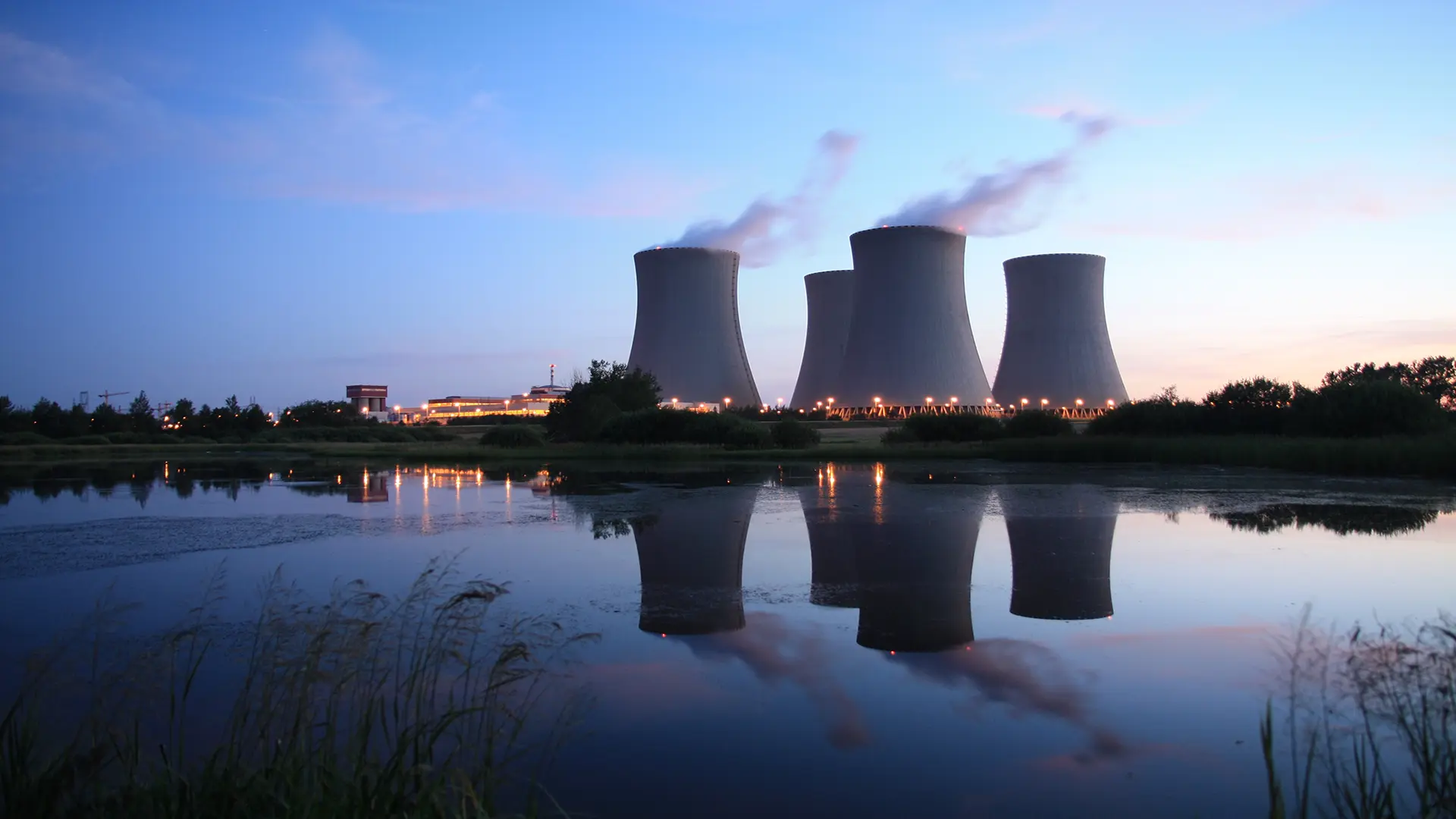
Nuclear power needs to provide 16% of generation by 2025 if global warming is to be limited to 2C (known as 2DS), reported the IEA. But to achieve this, the nuclear sector had to expand at a rate of at least 16 gigawatts (GW) capacity per year through 2020 and 20 GW per year after that--or even more, if current units cannot operate as long as expected.
In reality, the nuclear sector has only achieved 3.6 GW net growth on average over the last three years, taking into account the losses following the Fukushima disaster and the subsequent nuclear plant shutdowns in Germany.
New build progress also was hit after Fukushima. In 2010, 16 new nuclear projects were started, but in 2012 there were only seven new starts.
The IEA recommended that more favorable electricity market mechanisms and investment conditions were needed to ensure the necessary rate of new reactor construction. In liberalized markets where feed-in tariffs (FiTs) have been used to promote the deployment of renewable technologies, the profitability of dispatchable technologies has been degraded to the point where new investments are unlikely.
Only the deployment of renewable and electric vehicles were on track for 2DS goals, while global policies on nuclear, coal usage, carbon capture and storage, biofuels and building efficiency were all said to be failing by the IEA.
IEA member governments are responsible for 75% of global energy use.
Industrial Info Resources (IIR), with global headquarters in Sugar Land, Texas, and eight offices outside of North America, is the leading provider of global market intelligence specializing in the industrial process, heavy manufacturing and energy markets. Industrial Info's quality-assurance philosophy, the Living Forward Reporting Principle, provides up-to-the-minute intelligence on what's happening now, while constantly keeping track of future opportunities.
/news/article.jsp
false
Want More IIR News Intelligence?
Make us a Preferred Source on Google to see more of us when you search.
Add Us On GoogleAsk Us
Have a question for our staff?
Submit a question and one of our experts will be happy to assist you.

Forecasts & Analytical Solutions
Where global project and asset data meets advanced analytics for smarter market sizing and forecasting.
Explore Our SolutionsRelated Articles
-
Talen Energy Joins in U.S. Power Plant Buying SpreeJune 03, 2026
-
Four Western U.S. States Join to Boost Geothermal EnergyJune 02, 2026

Industrial Project Opportunity Database and Project Leads
Get access to verified capital and maintenance project leads to power your growth.
Discover Our DatabaseIndustry Intel
-
2026-2027 Investment Radar for Mexico, Central America & the CaribbeanPodcast Episode / May 29, 2026
-
Innovations Shaping the Next Era of Power GenerationPodcast Episode / May 22, 2026
-
The Role of Contract Manufacturing in Global Pharma GrowthPodcast Episode / May 8, 2026
-
2026 North American Labor OutlookPodcast Episode / Apr 24, 2026
-
2026 European Metals & Minerals Project Spending OutlookPodcast Episode / Apr 7, 2026