Power
Europe Outlines 1 Trillion-Euro Energy Plan
Europe will spend 1 trillion euros ($1.38 trillion) over the next 10 years to create a single energy network.
Released Tuesday, November 23, 2010
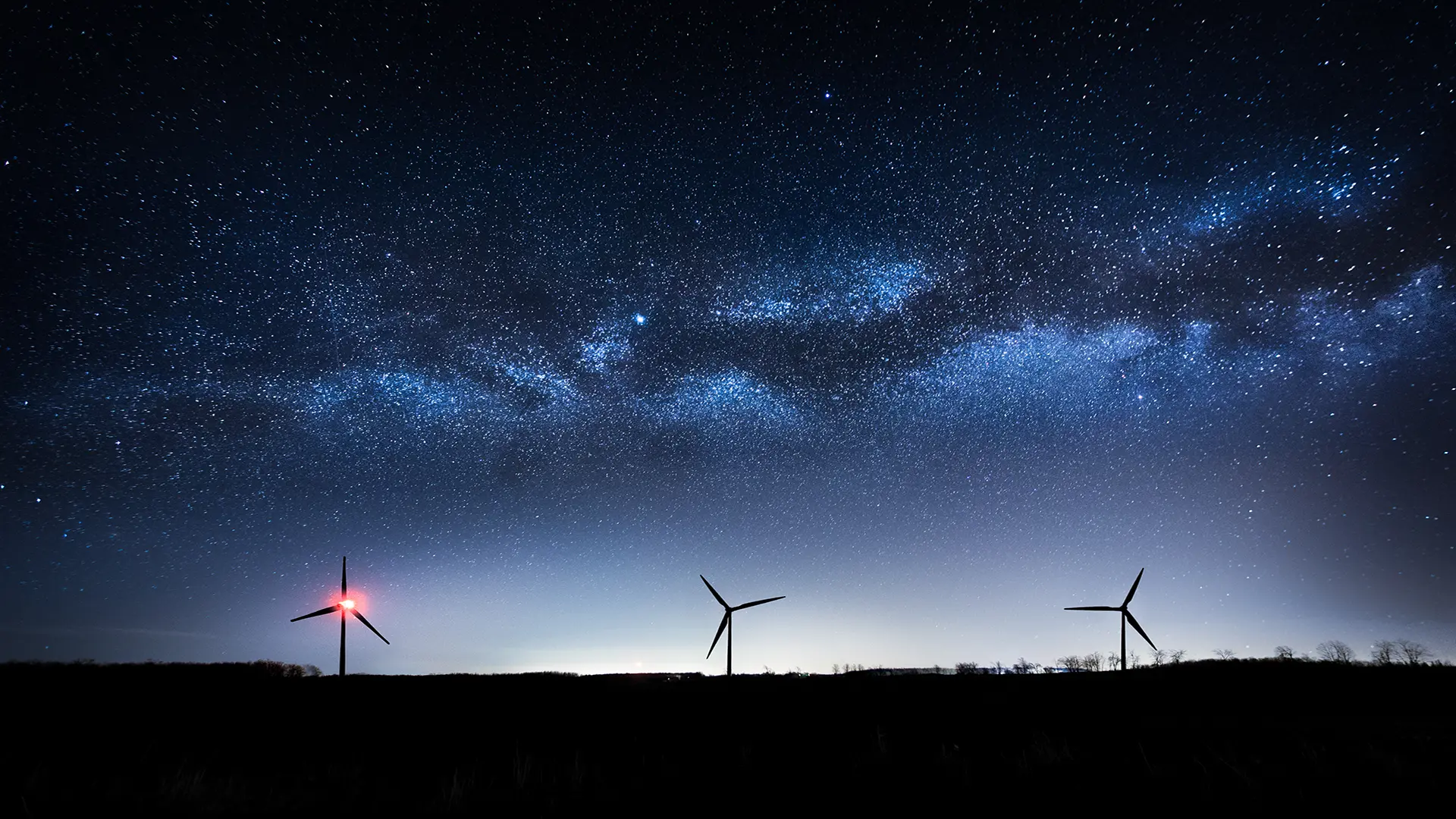
Written by Martin Lynch, European News Editor for Industrial Info (Galway, Ireland)--Europe will spend 1 trillion euros ($1.38 trillion) over the next 10 years to create a single energy network.
The European Union (E.U.) outlined how a single energy network will be the only way to secure its future energy supply in the face of rising oil and gas prices. A recent forecast by the International Energy Agency (Paris, France) predicted that global oil supplies will peak around 2035 and will cost approximately $200 per barrel, which is more than double today's price.
A target date for completing the internal European energy market has been set. According to the European Commission, by 2015 "no member state should be isolated." One of the key changes will be the speeding up of essential E.U. strategic projects by introducing a simpler "one-stop shop" process for obtaining permission for power projects.
"There is no single energy market," commented Energy Commissioner Guenther Oettinger. "Looking at our networks for gas, oil and electricity, we are still stuck within the borders of 19th century principalities. We don't have the quality or the capacity compared to goods and services."
Oettinger added: "The energy challenge is one of the greatest tests for us all. Putting our energy system onto a new, more sustainable and secure path may take time, but ambitious decisions need to be taken now. To have an efficient, competitive and low-carbon economy, we have to 'Europeanise' our energy policy and focus on a few, but pressing, priorities."
In the electricity sector, four E.U. priority corridors have been identified:
- an offshore grid in the Northern Seas with connections to Northern Europe and Central Europe to transport power produced by offshore windfarms to consumers in big cities and to store power in the hydroelectric power plants in the Alps and the Nordic countries
- interconnections in Southwest Europe to transport power generated from wind, solar, hydro to the rest of the continent
- connections in Central-Eastern und Southeast Europe, strengthening regional networks
- integration of the Baltic Energy Market into the European market
IIR's Renewable Energy Database provides extensive coverage on the wind energy, geothermal, hydroelectric, landfill gas-to-energy and utility-scale solar power plants throughout North America, and now expanding coverage across the world.
Industrial Info Resources (IIR) is the leading provider of global market intelligence specializing in the industrial process, heavy manufacturing and energy markets. IIR's quality-assurance philosophy, the Living Forward Reporting Principle, provides up-to-the-minute intelligence on what's happening now, while constantly keeping track of future opportunities.
/news/article.jsp
false
Want More IIR News Intelligence?
Make us a Preferred Source on Google to see more of us when you search.
Add Us On GoogleAsk Us
Have a question for our staff?
Submit a question and one of our experts will be happy to assist you.

Forecasts & Analytical Solutions
Where global project and asset data meets advanced analytics for smarter market sizing and forecasting.
Learn More
Industrial Project Opportunity Database and Project Leads
Get access to verified capital and maintenance project leads to power your growth.
Learn MoreIndustry Intel
-
2026 North American Labor OutlookPodcast Episode / Apr 24, 2026
-
2026 European Metals & Minerals Project Spending OutlookPodcast Episode / Apr 7, 2026
-
The Age of Critical Minerals in the AmericasPodcast Episode / Mar 20, 2026
-
2026 Regional Chemical Processing OutlookPodcast Episode / Mar 6, 2026
-
From Data to Decisions: How IIR Energy Helps Navigate Market VolatilityPodcast Episode / Nov 21, 2025