Power
RWE Converting Tilbury Coal-Fired Plant To Biomass
German energy giant RWE AG (OTC:RWEOY) (Essen, Germany) is forging ahead with plans to convert one of the U.K.'s largest coal-fired plants into the country's largest biomass plant.
Released Monday, April 11, 2011
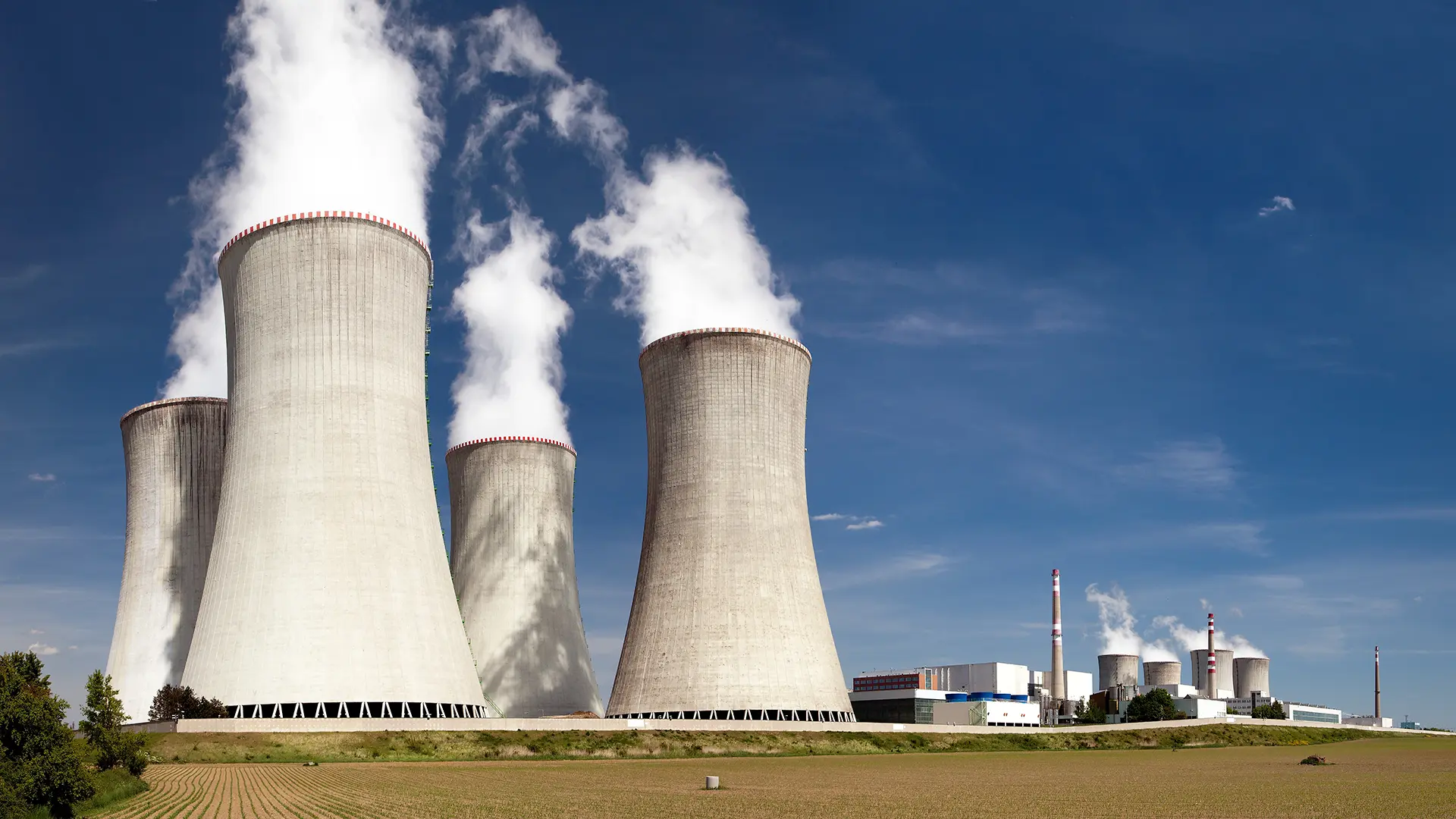
Written by Martin Lynch, European News Editor for Industrial Info (Galway, Ireland) --German energy giant RWE AG (OTC:RWEOY) (Essen, Germany) is forging ahead with plans to convert one of the U.K.'s largest coal-fired plants into the country's largest biomass plant.
The company's U.K. renewable arm, RWE npower (Swindon, England), has revealed that it is aiming to have the 1,100-megawatt (MW) coal-fired Tilbury Power Station in Essex, southeast England, burning wood pellets by the end of the year. The company is convinced that the fuel switch will allow it to tackle a number of looming issues, including reducing its carbon emissions under stricter European Union regulations and prolonging the life of the Tilbury plant, which is due to close by the end of 2015, or sooner, depending on how many hours it is operated.
The other key benefit to switching the plant over to biomass is that RWE will be eligible for subsidy payments, or Renewable Obligation Certificates (ROCs), from the government. Burning biomass will allow RWE to claim 1.5 ROCs per megawatt hour (MWh). It is expected that RWE will do most of the conversion work this summer when the plant is typically offline. By the end of the year, the plant will be capable of generating 750 MW by burning biomass.
RWE first floated the idea of converting Tilbury from coal to biomass last November, when it applied to the Environment Agency for permission.
"Our permit to operate the power station already allows us to use some biomass in place of coal and we are applying for a license variation that would increase this amount," said Nigel Staves, the station manager at Tilbury Power Station at the time. "If permission is granted by the Environment Agency, we would adapt the plant to burn biomass rather than coal. This would result in a substantial reduction in the amount of ash created by the power station as well as lower emissions of Sulphur Oxides (SOx) and Nitrogen Oxides (NOx)."
Tilbury Power Station operates as an 'opted out' station under the E.U.'s Large Combustion Plant Directive (LCPD). This means that the three operational units at Tilbury can operate for up to 20,000 hours, before closure on 31 December 2015. After that, RWE will evaluate whether to relicense the plant as a biomass plant or go ahead with plans to build a 2,000-MW combined cycle gas turbine (CCGT) plant on the site. Last February, RWE revealed plans for the proposed CCGT plant just a few months after it shelved plans to build a new 1,600-MW cleaner-coal-fired plant at the Tilbury site. For additional information, see February 4, 2010, article - RWE Considers 2,000-Megawatt Power Plant for Tilbury .
View Plant Profile - 1069851
View Project Report - 78000389
Industrial Info Resources (IIR) is the leading provider of global market intelligence specializing in the industrial process, heavy manufacturing and energy markets. IIR's quality-assurance philosophy, the Living Forward Reporting Principle, provides up-to-the-minute intelligence on what's happening now, while constantly keeping track of future opportunities.
/news/article.jsp
false
Want More IIR News Intelligence?
Make us a Preferred Source on Google to see more of us when you search.
Add Us On GoogleAsk Us
Have a question for our staff?
Submit a question and one of our experts will be happy to assist you.

Forecasts & Analytical Solutions
Where global project and asset data meets advanced analytics for smarter market sizing and forecasting.
Explore Our SolutionsRelated Articles

Industrial Project Opportunity Database and Project Leads
Get access to verified capital and maintenance project leads to power your growth.
Discover Our DatabaseIndustry Intel
-
Innovations Shaping the Next Era of Power GenerationPodcast Episode / May 22, 2026
-
The Role of Contract Manufacturing in Global Pharma GrowthPodcast Episode / May 8, 2026
-
2026 North American Labor OutlookPodcast Episode / Apr 24, 2026
-
2026 European Metals & Minerals Project Spending OutlookPodcast Episode / Apr 7, 2026
-
The Age of Critical Minerals in the AmericasPodcast Episode / Mar 20, 2026