Power
South Korea Looks to Energy Storage Systems to Beat Power Shortfalls
Mandates on energy storage systems will allow South Korea's Ministry of Trade, Industry and Energy to financially support of up to 50% of the system costs for small- and medium-size firms
Released Friday, October 18, 2013
Written by Richard Finlayson, Senior International Editor for Industrial Info Resources (Sugar Land, Texas)--Mandates on energy storage systems will allow South Korea's Ministry of Trade, Industry and Energy to financially support of up to 50% of the system costs for small- and medium-size firms. The ministry's plan to consider energy storage, energy management, and a revision of its energy rate structure will be followed with great interest by grid mangers and power utilities worldwide.
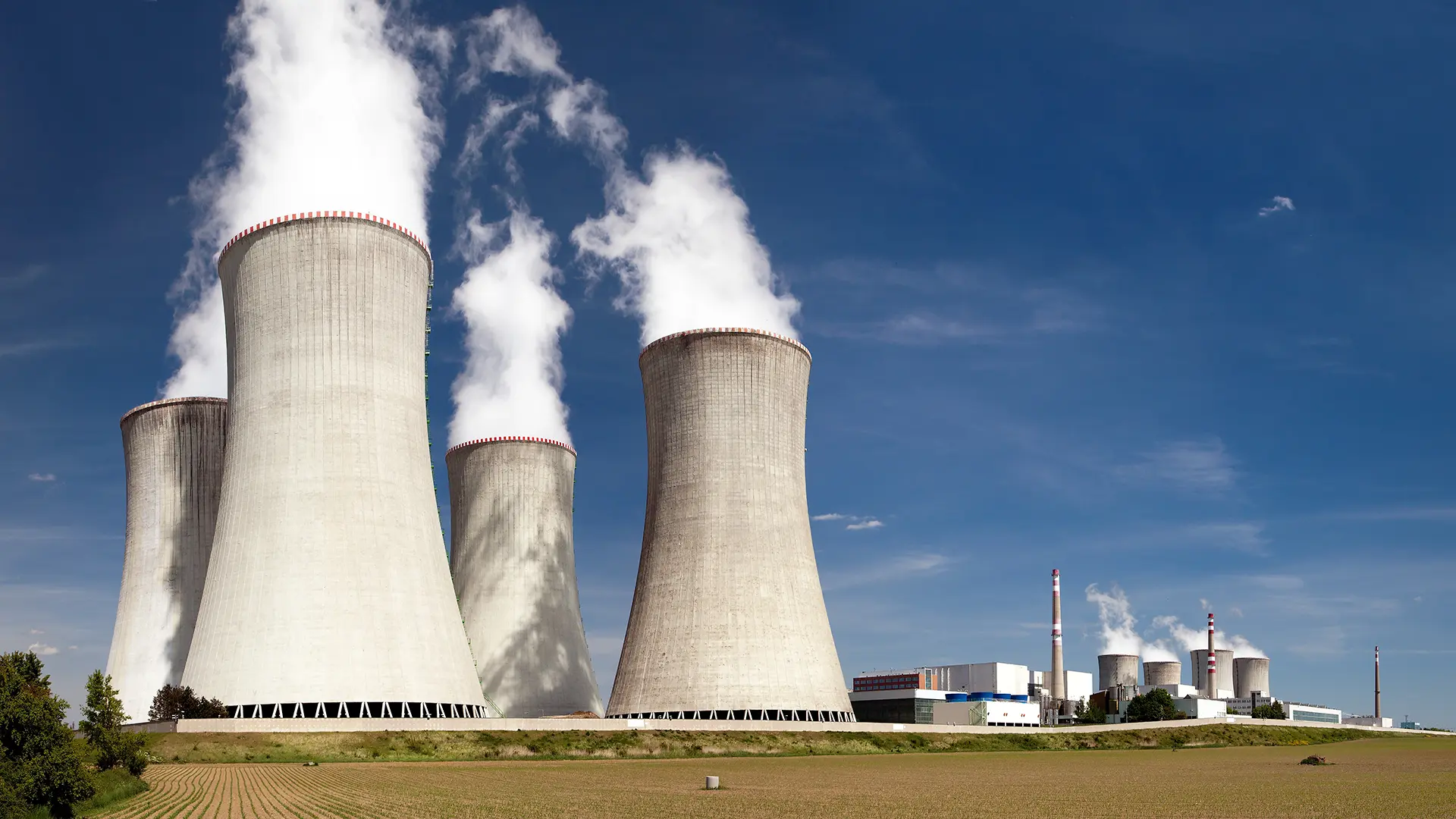
South Korea is facing major power shortages this year, including a "Level 3" warning driven by pressure from high demand and the shutdown of two of the 23 units in its nuclear reactor fleet, due to their failure to meet safety regulations. The shutdown could result in a 5% drop in grid capacity.
Restructuring of the electricity rate would increase the spread between peak and off-peak electricity prices, incentivizing load shifting and energy arbitrage for energy storage developers.
At this stage, technologies have not been specified for energy storage systems, but South Korea is giving fuel cell development some priority, which could be included in the final plan. A revision of the plan is expected later this month.
Minister Yoon Sang-jik said that it will be increasingly important to maintain power reliability and implement demand-side management before the new mandate goes into effect and new supply is added.
"The current crisis was also caused by a shortage of supply, and so we must also continue to expand our supply while encouraging efficient use and management of electricity." The minister added that ongoing efforts to cut power consumption may help reduce the country's peak consumption by up to 1,000 megawatts, or 1.3% of peak demand.
For related information, see August 13, 2013, article - High Temperatures in South Korea Could Mean Rolling Power Outages, and October 22, 2012, article - World's Largest Fuel Cell Power Park to Be Built in South Korea.
Industrial Info Resources (IIR), with global headquarters in Sugar Land, Texas, three offices in North America and nine international offices, is the leading provider of global market intelligence specializing in the industrial process, heavy manufacturing and energy markets. Industrial Info's quality-assurance philosophy, the Living Forward Reporting Principle, provides up-to-the-minute intelligence on what's happening now, while constantly keeping track of future opportunities.
/news/article.jsp
false
Want More IIR News Intelligence?
Make us a Preferred Source on Google to see more of us when you search.
Add Us On GoogleAsk Us
Have a question for our staff?
Submit a question and one of our experts will be happy to assist you.
Forecasts & Analytical Solutions
Where global project and asset data meets advanced analytics for smarter market sizing and forecasting.
Learn MoreRelated Articles
-
BlackRock Stands by Solar, Wind as U.S. Energy Demand GrowsApril 15, 2026
-
European Union Probes EDF's $84 Billion Nuclear Power PlanApril 14, 2026

Industrial Project Opportunity Database and Project Leads
Get access to verified capital and maintenance project leads to power your growth.
Learn MoreIndustry Intel
-
2026 Regional Chemical Processing OutlookOn-Demand Podcast / Mar. 2, 2026
-
From Data to Decisions: How IIR Energy Helps Navigate Market VolatilityOn-Demand Podcast / Nov. 18, 2025
-
Navigating the Hydrogen Horizon: Trends in Blue and Green EnergyOn-Demand Podcast / Nov. 3, 2025
-
ESG Trends & Challenges in Latin AmericaOn-Demand Podcast / Nov. 3, 2025
-
2025 European Transportation & Biofuels Spending OutlookOn-Demand Podcast / Oct. 27, 2025