Power
Power Prices in California Surge, Driven by High Temperatures, Fires and Power Plant Outages
Record temperatures pushed up electric load and day-ahead power prices in California earlier this month
Released Tuesday, September 22, 2015
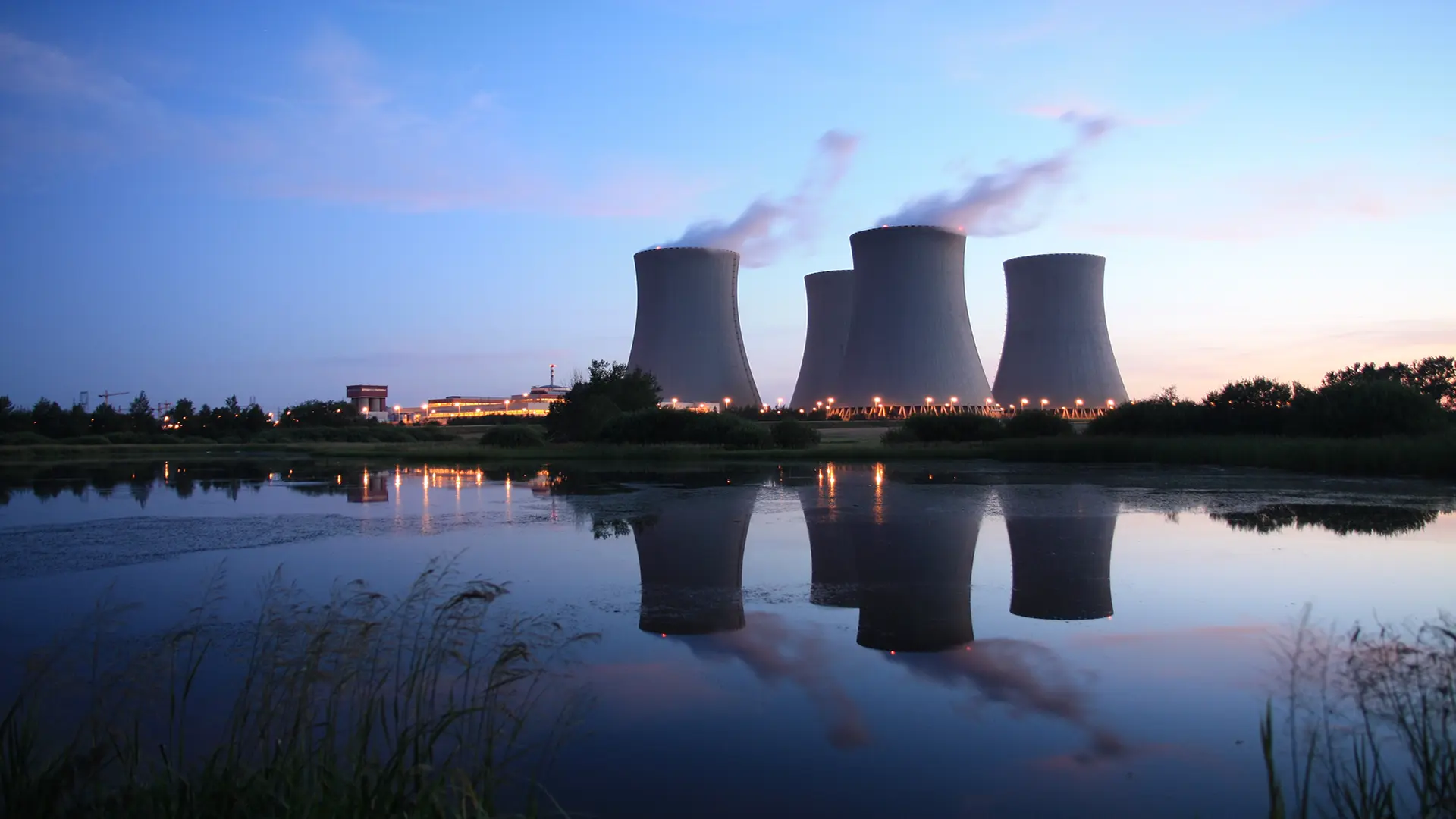
Written by John Egan for IIR Energy (Sugar Land, Texas)--Record temperatures pushed up electric load and day-ahead power prices in California on September 8-11. Power market fundamentals also were affected by several large fires in the state, as well as a large number of electric generators in the region, which were idled either for planned or unplanned outages.
IIR Energy's PowerCast Live showed a total of 25,335 megawatts (MW) of power plants in the Western Electricity Coordinating Council (WECC) were offline between September 1 and September 17. Some of these outages were planned, but others were unplanned.
"Unforeseen events such as wildfires, severe weather, drought conditions or other natural disasters can rapidly alter normal plant operations," said Britt Burt, Industrial Info's vice president of global power research. "In most cases, these operational disruptions will cause a significant shift in regional power prices. The magnitude of the shift is dependent on the severity and duration of the event. The PowerCast Live application is a dynamic tool that can be used by traders and asset owners to stay abreast of what's up and what's down in the power market for any given region."
Power prices in California's day-ahead market peaked at about $76 per megawatt-hour (MWh) for the hour ending at 7 p.m. on September 8, according to NRGSTREAM (Calgary, Alberta), an IIR Energy data partner. Day-ahead prices inched higher the next day for the hour ending at 6 p.m., and on September 10 they peaked at $88.47 per MWh for the hour ending 6 p.m. By September 11, peak power prices in California's day-ahead market fell to $77.47 for the hour ended 5 p.m. By the next day, peak prices in that market reverted to their summer-time mean of between $40 per MWh and $46 per MWh, said NRGSTREAM.
California's day-ahead power prices peaked July 1 at $126 per MWh for the hour ending 6 p.m., but since then, peak prices generally have stayed in a band of between $45 per MWh and $55 per MWh, with occasional spikes to about $65, according to NRGSTREAM.
"It appears that record demand for electricity this year occurred during the period from September 8 through September 11," said Kevin Sebastian, NRGSTREAM's executive vice president for sales & marketing. "This was due primarily to high temperatures peaking near 90 degrees in Los Angeles on September 9 and 10. Record load levels in the day-ahead market of 47,573 MW occurred at hour ending 5 p.m. on September 10. The peak in day-ahead prices at this time corresponded with the required dispatch of more expensive power to meet the demand. Peak generation of 44,156 MW was dispatched during this period, which required importing about 3,400 MW into the region."
High temperatures were the main reason why operators had to call on more expensive generation sources earlier this month. But the large number of generators in the region that were offline also affected dispatch choices. IIR Energy's PowerCast Live application showed more than 200 power plants in the WECC were offline during the first half of September. By fuel type, hydroelectric generation was the largest type of generation offline, followed by sub-bituminous coal, natural gas and bituminous coal.
 Click on the image at right to see plant outages in the WECC for the first half of September, by fuel type.
The largest plants idled in WECC during the first half of September included:
- A planned outage at Unit 23 of the Grand Coulee Hydro Power Station in Washington State removed 805 MW of generation from the grid.
- An unplanned outage at Unit 2 of Salt River Project's (Tempe, Arizona) Navajo Generating Station in Arizona idled 803 MW of capacity.
- An unplanned outage at Unit 4 of New Mexico's Four Corners Power Station idled 755 MW of generation.
- A planned outage at Unit 3 of PacifiCorp's (Portland, Oregon) Jim Bridger station took 578 MW off the grid.
- A planned outage at Pacific Gas and Electric Company's (NYSE:PCG) (PG&E) (San Francisco, California) Diablo Canyon Unit 2 nuclear generator took another 559 MW off the grid.
- An unplanned outage at Unit 3 of the Keephills Power Station removed 450 MW of baseload generation from the WECC.
Three fires burning across northern and central California also have affected PG&E and its customers. The Valley, Butte and Rough fires have burned more than 300,000 acres as of September 21, damaging PG&E's electric infrastructure and shutting off power to about 13,000 PG&E customers. A PG&E spokesman said the company has identified at least 505 locations where equipment needs to be fixed.
The four-year-long drought gripping the West has created a lot of fuel for the fires, and extinguishing them has been complicated by average temperatures in the regions.
A unit of Industrial Info Resources (IIR), IIR Energy is the leading provider of supply-side market intelligence for the energy market, including Electric Power Generation; Oil & Gas Storage; Oil & Gas Transmission and Production; Alternative Fuels, such as biodiesel, ethanol, and coal gasification; and the Petroleum Refining industries. IIR Energy provides time-sensitive, critical market information that enables asset owners, developers, regulators, and financial & physical participants to enhance their trading strategies and minimize market risk.
Industrial Info Resources (IIR), with global headquarters in Sugar Land, Texas, five offices in North America and 10 international offices, is the leading provider of global market intelligence specializing in the industrial process, heavy manufacturing and energy markets. Industrial Info's quality-assurance philosophy, the Living Forward Reporting Principle, provides up-to-the-minute intelligence on what's happening now, while constantly keeping track of future opportunities.
/news/article.jsp
false
Want More IIR News Intelligence?
Make us a Preferred Source on Google to see more of us when you search.
Add Us On GoogleAsk Us
Have a question for our staff?
Submit a question and one of our experts will be happy to assist you.

Forecasts & Analytical Solutions
Where global project and asset data meets advanced analytics for smarter market sizing and forecasting.
Explore Our SolutionsRelated Articles
-
NextEra Eyes Strong Backlog, Data Center Hub StrategyOctober 23, 2026
-
Winter 2026-27 Outlook: Strong El Niño Expected to Shape Nor...October 23, 2026

PECWeb Global Market Intelligence Platform
Identify opportunities, anticipate change, and execute with confidence. PECWeb connects the industrial intelligence you need, from projects and assets to operational events, all in one platform.
Discover PecwebIndustry Intel
-
Mining Capital Spending 2026: Copper, Rare Earths, AluminumPodcast Episode / Oct 23, 2026
-
Brazil Critical Minerals 2027: Rare Earths, Lithium, CopperPodcast Episode / Oct 16, 2026
-
US Craft Labor Outlook 2026: Wages, Per Diems, Data CentersPodcast Episode / Oct 16, 2026
-
Latin America Data Center Outlook 2026: Power, Hubs & GrowthPodcast Episode / Oct 9, 2026
-
Food and Beverage CapEx Outlook 2026: Tariffs, AI, AfricaPodcast Episode / Oct 9, 2026