Power
Colombia's New $350 Million Transmission Line to Integrate and Interconnect Power Network
The tilt in favor of hydroelectric power to provide 70 percent of the country's installed capacity of under 14,000 MW, may become more balanced
Released Tuesday, September 09, 2003
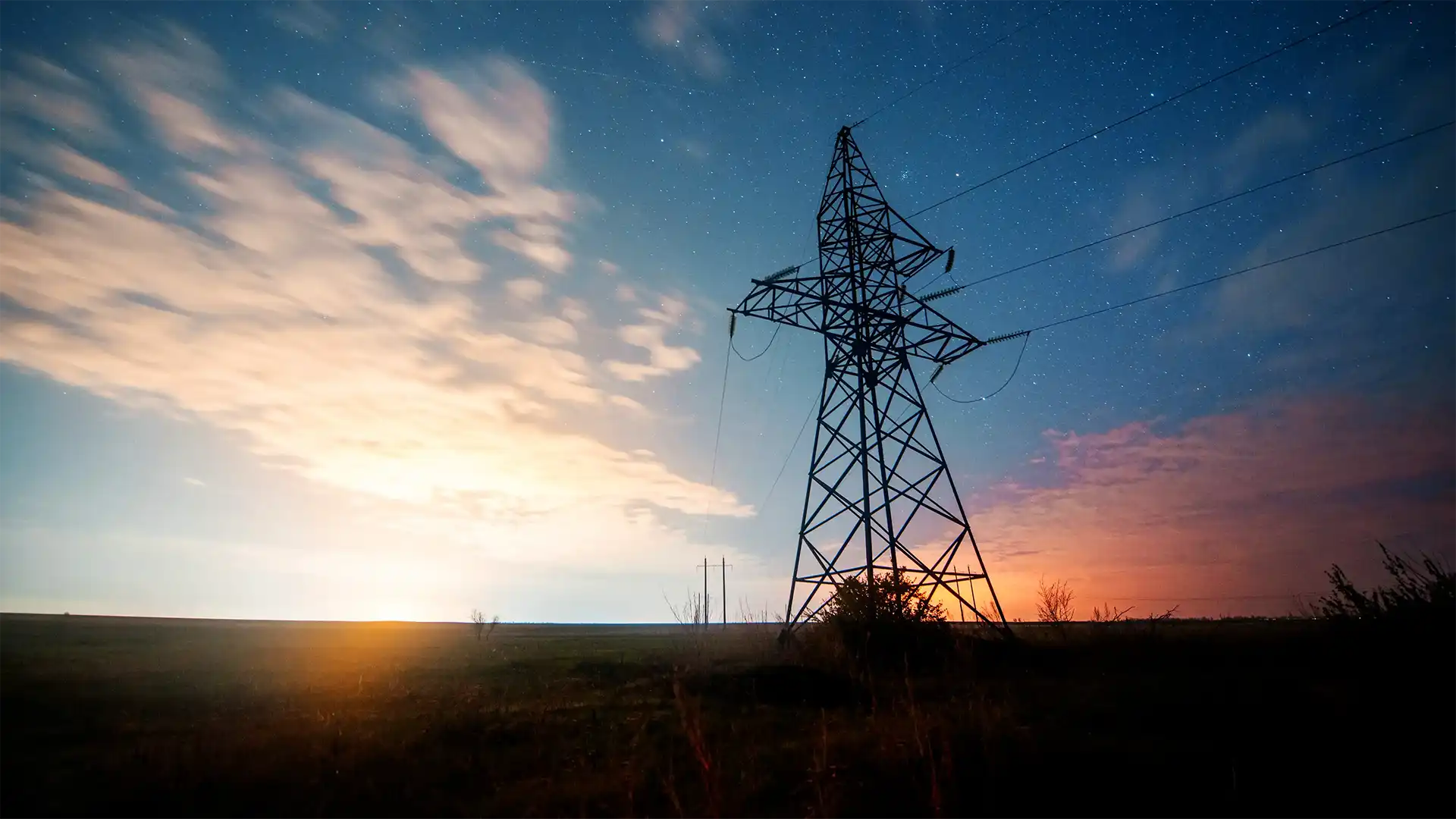
Researched by Industrialinfo.com (Industrial Information Resources, Incorporated; Houston, Texas). Colombia has suffered from power transmission and supply problems on two fronts. Firstly, rebels have continually blown up power pylons and lines in their campaign against central government, and secondly, the power system's dependence on hydroelectric power has left it open to the vagaries of the weather and unbalanced regionally.
The tilt in favor of hydroelectric power to provide 70 percent of the country's installed capacity of under 14,000 MW, may become more balanced by the end of this decade as the government wants to encourage the addition of 6,200 MW by 2010, mainly by the construction of coal and natural gas fired plants. Coal-fired plants would have a ready source of feedstock, as Colombia is the largest producer of coal in South America and one of the world's major coal exporters.
The national ministry of mines and energy has now called for bids to design, build, and operate a 1,000 kilometer $350 million transmission line that will provide an interconnection between the northeastern parts of the country with the central departments. New natural gas fired and coal-fired generation projects will be promoted in the northeast to feed growing demand in the rest of the country by the construction of the transmission line. Current demand is growing at 3.6% per annum.
The government press agency, CNE announced that there would be two 25-year contracts for the 500kV line that is divided into two sections.
The first $135 million section will link the Bacata substation near Bogota with the Primavera station in the north. This 330-kilometer connection will facilitate supply from outlying parts of the country to the demand center around Bogota. The second $215 million line will provide a 658 kilometer link through the northeastern departments, Bolivar, Copey, Ocana to Primavera. The ministry said that the two lines could be operated by the same or different companies and is expected that about 40,000 direct and indirect jobs will be created through their construction and operation.
The ministry also expects the line to cause prices across the national grid to fall by as much as 3 percent as cheaper hydro generated power from the south will penetrate northern departments, which are supplied by the more expensive thermo generated power, and improve the power systems competitiveness in the region. The ministry, Unidad de Planeacion Minero Energetica (UPME) will make bidding rules for the transmission lines available to interested companies until December 2. Technical and economic bids will be received on December 3. Technical bids will be under examination until December 18. On that date economic bids will be opened and the decision on winning bid/s will be made.
If the energy regulator CREG approves the bids, construction would commence in mid 2004 and operations would commence in October 2007.
It is hoped that by adding to the network infrastructure the new line will push development of Colombia's interconnections with Venezuela and Brazil with the eventual integration of the South American power market under a common regulatory framework. The line will connect the departments of Bolivar, Magdalena, Cesar, Santander, Boyaca, Antioquia, and Cundinamarca with the center of Colombia. The country already has two interconnections with Venezuela and one with Ecuador with more planned.
ISA, Columbia's largest transmission company, which is 59 percent government owned, has had control of 83 percent of the transmission market and aims to become an integrated regional transmission company with Peru as its hub. It has put $40 million into the construction of two lines in Peru and has purchased Peruvian transmission companies Etecen and Etesur for $262 million. ISA expansion horizon includes Chile, Bolivia, Ecuador and Venezuela.
ISA plays a central role in the coordination of the country's generation and transmission systems and in the construction and operation of new generating plants. Plans to privatize ISAgen have been put on hold due to debt and governance problems.
/news/article.jsp
false
Want More IIR News Intelligence?
Make us a Preferred Source on Google to see more of us when you search.
Add Us On GoogleAsk Us
Have a question for our staff?
Submit a question and one of our experts will be happy to assist you.

Forecasts & Analytical Solutions
Where global project and asset data meets advanced analytics for smarter market sizing and forecasting.
Explore Our SolutionsRelated Articles
-
Europe's Mild Winter Outlook Tests Natural Gas PreparednessOctober 16, 2026
-
South Korea's US$747 Billion Energy Transition PlanOctober 16, 2026
-
Trump Admin Continues Offshore Wind War with Revolution Wind...October 15, 2026
-
U.S. Nuclear Body Gives Second SMR Permit in Six MonthsOctober 15, 2026
-
Europe Makes its First SMR InvestmentOctober 14, 2026

PECWeb Global Market Intelligence Platform
Identify opportunities, anticipate change, and execute with confidence. PECWeb connects the industrial intelligence you need, from projects and assets to operational events, all in one platform.
Discover PecwebIndustry Intel
-
Brazil Critical Minerals 2027: Rare Earths, Lithium, CopperPodcast Episode / Oct 16, 2026
-
US Craft Labor Outlook 2026: Wages, Per Diems, Data CentersPodcast Episode / Oct 16, 2026
-
Latin America Data Center Outlook 2026: Power, Hubs & GrowthPodcast Episode / Oct 9, 2026
-
Food and Beverage CapEx Outlook 2026: Tariffs, AI, AfricaPodcast Episode / Oct 9, 2026
-
North America Refining 2026: New Pipelines to PADD 5Podcast Episode / Oct 2, 2026