Power
Hawaii a Workshop for Renewable Energy Cost/Benefit Questions
Hawaii has a range of RE projects running and in the project planning stage as well as thousands of solar power (PV) installations on the rooftops of private homes.
Released Thursday, October 10, 2002
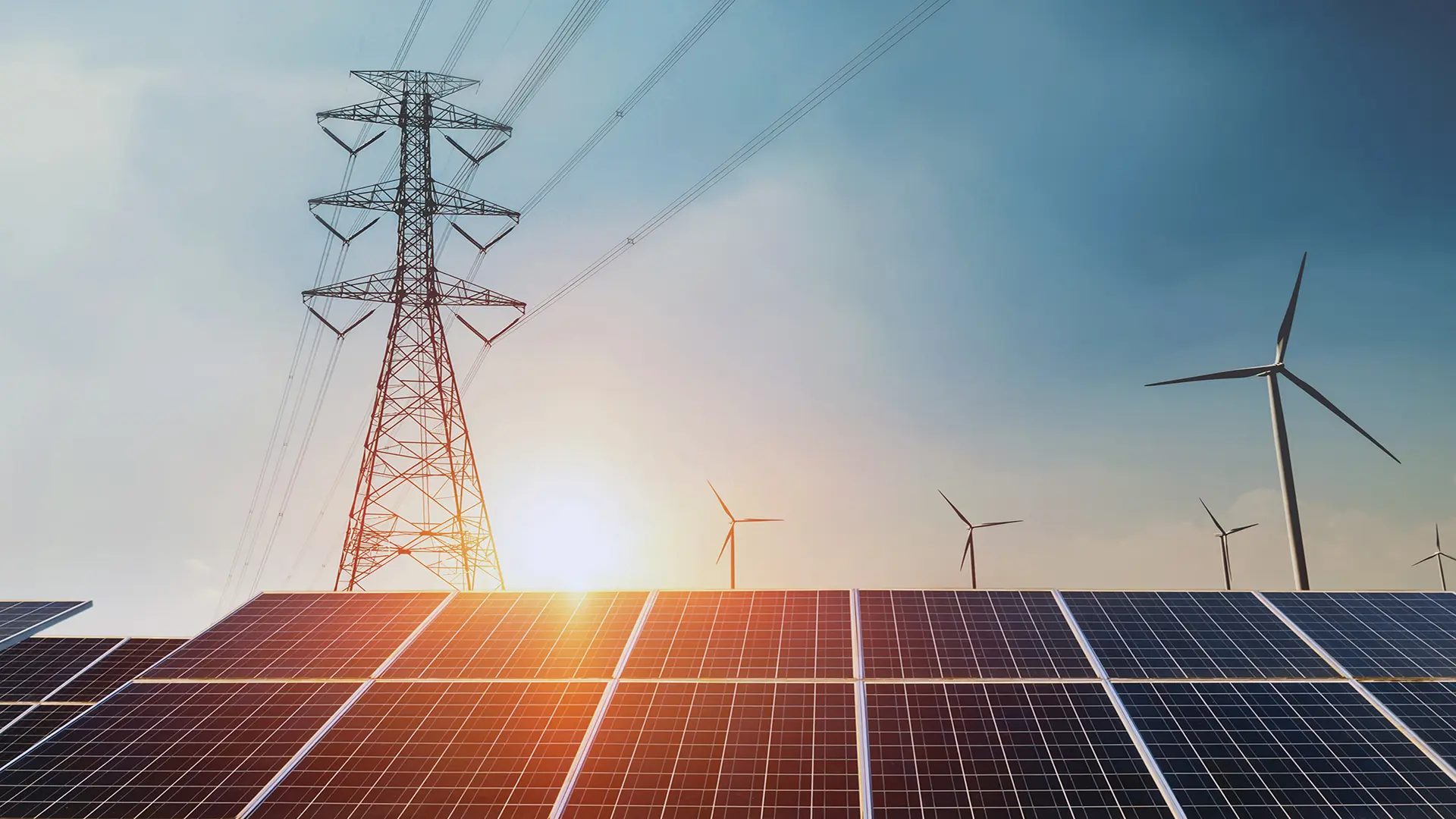
Researched by Industrialinfo.com (Industrial Information Resources, Incorporated; Houston, Texas). Islands are gaining a role as high profile models for the combination of various sources of renewable energy (RE). Remote Pacific and Indian Ocean islands opt for wind and solar energy as a reliable backup and development source of electrical power when oil tanker supplies are irregular and power grid supply is non-existent. The pros and cons of the visual impact of high rotor towers, acres of photovoltaic cells (PV), and the relative cost:power output ratios supported with open or hidden subsidies from the public purse sees the battle over renewable energy sources well and truly joined in high density urban areas. But islands have a clearer need and supply potential focus and the U.S. island state of Hawaii is a good example.
Hawaii has a range of RE projects running and in the project planning stage as well as thousands of solar power (PV) installations on the rooftops of private homes. But the volcanic structure of the island with its geothermal sources has been tapped by the Puna Geothermal Venture (PGV) to provide a firm supply of between 25MW to 30MW in the 1990's. This non-intermittent power supply represents about 20% of the electricity needs of Big Island's 140,000 people. The local authority in 2001 approved the plans for PGV to embark on an expansion plan to double its capacity to 60MW and to begin with an 8MW increase in the capacity of the surface generating equipment. Pro geothermal opinion believes that could supply all of Big Island's needs and go on to produce a surplus to supply neighboring islands' needs. The Puna plant has operated safely for a decade and its champions say that is a benign energy source. Opponents say that the plant is badly sited and releases regular emissions of noxious hydrogen sulfide gases and that it is noisy. Others aver that drilling offends the spirit of Pele, the Hawaiian goddess of volcanoes.
Windpower has been around in Hawaii since the 1980's with the older installations now losing generating potential through wear and tear and bad site positioning. The power generated is intermittent compared to the 'firm' geothermal source. Refurbishment plans are ongoing and new windfarms are in the planning and engineering stages.
With tax credits of 20% for the installed cost of wind energy systems available to Hawaiian taxpayers for systems installed before July 1, 2003 and extended Federal production tax credits of 1.5 cents/kWh, wind has a support base although by 2001 its total contribution to the state's energy use had never exceeded 0.3%.
Projects, which will add to the energy share, are the Kahua Ranch installation initiated by Zond Pacific (a former unsustainable Enron subsidiary) on Big Island, which will output 10MW using 750kW turbines. Power will be sold to the Hawaiian Electric Light Company (HELCO) for 5 cents/kWh. A 3MW windfarm constructed by Site Constructors of California and costing $8 million is on schedule for Upolu Point. Another Zond initiated development is on Maui with 27 turbines generating 20MW. On Kauai, Pacific Winds has proposed a 5.4MW facility, which would provide about 5% of that island's power capacity, needs. Its output would be bought by Kauai Electric for 7.4 cents/kWh.
Solar power is well represented by the Powerlight Corporations (Berkeley, California) PV installation at Parker Ranch on Big Island. Parker Ranch is saving $10,000 a month on a $20,000 fuel bill. The tracking PV system provides up to 30% more energy (kWh) than fixed PV structures and supplies energy to either standalone or grid connected systems. Combined with 50kW in wind turbine generation, the system, which is being used to pump water uphill for several thousand vertical feet for livestock, is claimed to be the largest solar/wind hybrid system in the world.
HELCO has backed multi million dollar installation programs. Income tax credits of 35% of installed cost and rebates of up to $800 per system offered by utilities for conversion to solar powered electric water heaters have kept the solar impetus going.
There are other RE plants in Hawaii including solar, wind geothermal, biomass incinerators, hydro, and fuel cells. New windfarm techniques are coming in and a 20MW PV project designed for grid-quality power and hydrogen manufacturing is being negotiated.
Nevertheless, imported oil is still used to supply about 90% of Hawaii's energy needs. This makes it the most critically dependent state in the US on energy imports. The valid and admirable benefit claims of sustainable and renewable energy and environment saving developments have to measure up against this yardstick first to establish value and then add the long-term perspective benefits.
/news/article.jsp
false
Want More IIR News Intelligence?
Make us a Preferred Source on Google to see more of us when you search.
Add Us On GoogleAsk Us
Have a question for our staff?
Submit a question and one of our experts will be happy to assist you.

Forecasts & Analytical Solutions
Where global project and asset data meets advanced analytics for smarter market sizing and forecasting.
Explore Our SolutionsRelated Articles
-
NextEra Eyes Strong Backlog, Data Center Hub StrategyOctober 23, 2026
-
Winter 2026-27 Outlook: Strong El Niño Expected to Shape Nor...October 23, 2026

PECWeb Global Market Intelligence Platform
Identify opportunities, anticipate change, and execute with confidence. PECWeb connects the industrial intelligence you need, from projects and assets to operational events, all in one platform.
Discover PecwebIndustry Intel
-
Mining Capital Spending 2026: Copper, Rare Earths, AluminumPodcast Episode / Oct 23, 2026
-
Brazil Critical Minerals 2027: Rare Earths, Lithium, CopperPodcast Episode / Oct 16, 2026
-
US Craft Labor Outlook 2026: Wages, Per Diems, Data CentersPodcast Episode / Oct 16, 2026
-
Latin America Data Center Outlook 2026: Power, Hubs & GrowthPodcast Episode / Oct 9, 2026
-
Food and Beverage CapEx Outlook 2026: Tariffs, AI, AfricaPodcast Episode / Oct 9, 2026