Chemical Processing
Japan's Ube to Look at U.S. Plant After Spanish and Thailand Nylon-6 Plant Start-Ups
In May, the company has scheduled the start-up of a 10,000-ton per annum nylon-6 polymerization plant at Castellon in Spain. There are plans to expand the $28.2 million plant's capacity to 30,000 tons by the end of 2006.
Released Monday, April 12, 2004
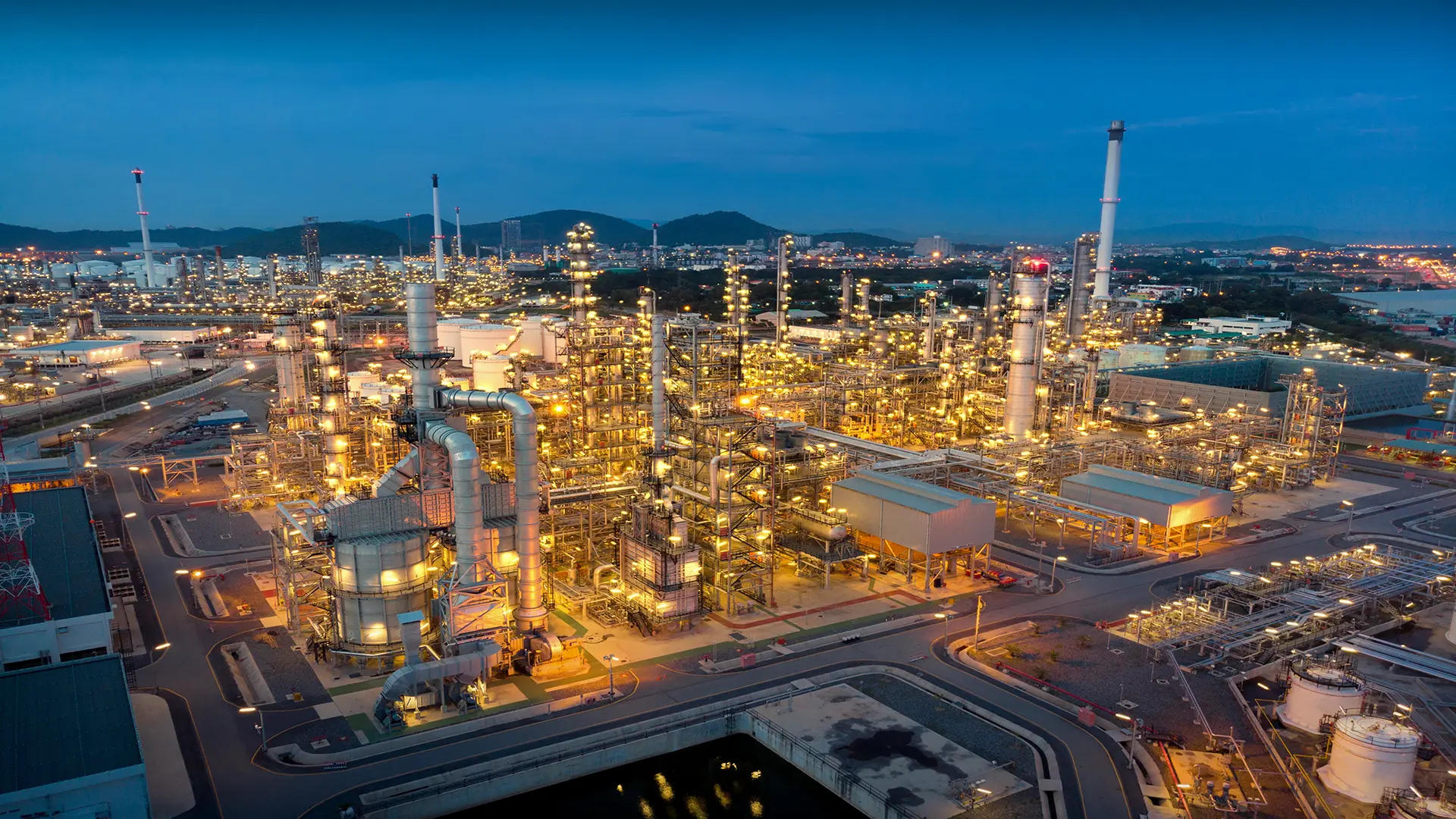
Researched by Indutrialinfo.com (Industrial Information Resources Incorporated; Houston, Texas). With two nylon-6 plant startups in Spain and Thailand planned for this year, Japan's Ube Industries (Tokyo:4208) (Ube City, Japan) is considering a plan to build a nylon-6 plant in the U.S. These plans are currently classed as 'tentative' but a decision on the plant will be made by the end of 2004.
In May, the company has scheduled the start-up of a 10,000-ton per annum nylon-6 polymerization plant at Castellon in Spain. There are plans to expand the $28.2 million plant's capacity to 30,000 tons by the end of 2006. At present Ube exports 7,000 tons of nylon resin per annum to Europe from its plants in Japan and Thailand. The decision to set up the plant in Spain was taken primarily to lower the company's production costs and to position Ube as a 'reasonable' player in the European market.
Nylon-6 (or nylon 6,6) gets its name because each repeat unit of the polymer chain has two stretches of carbon atoms, each being six carbon atoms long. Nylon-6 is made from monomers adipoyl chloride and hexamethylene diamine.
In December, Ube will start up its nylon-6 expansion project at Rayong, Thailand. This will raise the capacity of the plant from 21,000 tons per annum to 25,000 tons. Debottlenecking at Ube's caprolactam plant at Rayong to 100,000 tons per annum from 80,000 tons was completed in April 2003. The companys 20,000 ton caprolactam plant at Sakai in Japan was shut down to take advantage of the lower production costs in Japan.
There is still a 90,000-ton per annum caprolactam production line at the Sakai site and another 90,000-ton plant at Ube City in Yamaguchi prefecture, Japan.
Caprolactam is primarily used in the manufacture of synthetic fibers and especially nylon. It is used in brush bristles, textile stiffeners, film coatings, synthetic leather, plastics, paint vehicles, cross-linking for polyurethanes and in the synthesis of lysine.
Want More IIR News Intelligence?
Make us a Preferred Source on Google to see more of us when you search.
Add Us On GoogleAsk Us
Have a question for our staff?
Submit a question and one of our experts will be happy to assist you.

Forecasts & Analytical Solutions
Where global project and asset data meets advanced analytics for smarter market sizing and forecasting.
Explore Our SolutionsRelated Articles
-
High Global Fuel Prices Are About Refinery Issues as Much as...October 14, 2026
-
Argentina Fertilizer Plant Construction Moves ForwardOctober 14, 2026
-
Europe Celebrates Largest Carbon Capture ProjectSeptember 22, 2026
-
Climate Risk Emerges as Power-Plant Design QuestionSeptember 18, 2026
-
U.S. States Planning the Most Industrial Spending in 2027September 08, 2026

PECWeb Global Market Intelligence Platform
Identify opportunities, anticipate change, and execute with confidence. PECWeb connects the industrial intelligence you need, from projects and assets to operational events, all in one platform.
Discover PecwebIndustry Intel
-
Latin America Data Center Outlook 2026: Power, Hubs & GrowthPodcast Episode / Oct 9, 2026
-
Food and Beverage CapEx Outlook 2026: Tariffs, AI, AfricaPodcast Episode / Oct 9, 2026
-
North America Refining 2026: New Pipelines to PADD 5Podcast Episode / Oct 2, 2026
-
Biomanufacturing Onshoring 2026: GLP-1, CDMO and ReshoringPodcast Episode / Oct 2, 2026
-
2026 US Data Center Outlook: Power, Land & CoolingPodcast Episode / Sep 18, 2026