Power
Spread of Electricity Access Raises Power Targets Exponentially in East Africa
Starting from low-capacity power generation bases, African countries are building transmission and distribution infrastructures to bring basic electricity access within reach of greater numbers of their populations.
Released Tuesday, June 05, 2012
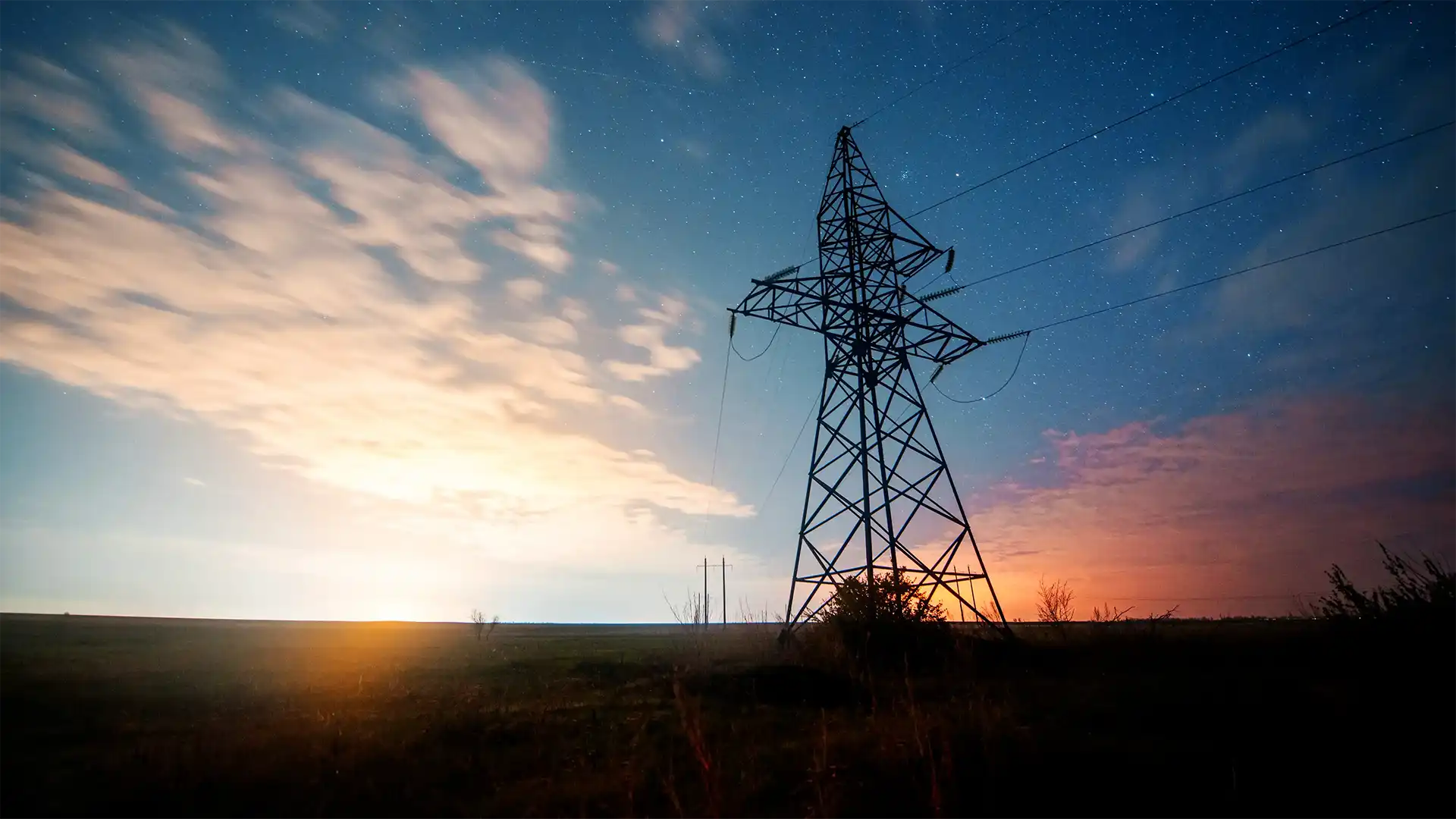
Written by Richard Finlayson, Senior International Editor for Industrial Info Resources (Sugar Land, Texas)--Starting from low-capacity power generation bases, African countries are building transmission and distribution infrastructures to bring basic electricity access within reach of greater numbers of their populations. This is a major game changer, not only in the obvious benefits to living standards but also in raising the targets for future power capacity growth.
Hitherto, many low-capacity countries have based their growth forecasts on the restricted amount of power available under the status quo, ignoring the fact that maybe 50% of the population is disempowered in terms of electricity access. With the spread of electrification, education and health standards improve and small businesses expand. So whereas targets used to be based on a pre-industrial mix, they now look ahead to commercial and industrial development, where forecasts made for the next decade could begin to indicate the need for exponential power growth capacity.
Ethiopia's progress has seen available power capacity rise from 370 megawatts (MW) 20 years ago to 2,140 megawatts (MW) today, which has enabled the system to give electricity access to 47% of the population. Africa Report says the number of electrified towns and rural villages has increased to more than 6,000.
Mheret Debebe, the chief executive officer of Ethiopian Electric Power Corporation (EEPCo), said that the total length of high-voltage transmission lines has increased to 11,124 kilometers from 3,758 kilometers, and the number of substations has risen to 140 from 82. The length of low-voltage transmission lines has gone up to 133,838 kilometers from 9,972 kilometers over the period.
The new target is to add 10,000 MW in the medium-term future and a multi-billion dollar investment drive has been launched for the power industry. Power demand has been growing at an average rate between 25% and 32% annually. Hydropower potential is being developed, and power exports to neighboring countries in the region will be expanded. The new forecast requires 10,000 MW by 2015, and $2.5 billion is being allocated annually to the drive for power.
The two main hydropower projects under way are the 6,000-MW Grand Ethiopian Renaissance project on the Blue Nile and the 1,870-MW Gibe 111 on the Omo River. Windfarm projects, such as the Ashegoda farm in Tigray, will contribute additional capacity and raise the national coverage to 75% by 2015. Overall, Ethiopia is estimated to have the potential to generate more than 60,000 MW from hydro, wind and geothermal energy resources.
A feasibility study has been finalized for an Ethiopia-Kenya electricity interconnection, and the African Development Bank (AfDB) has made a $1.3 billion loan available for the project.
Kenya, Ethiopia's East African neighbor, now provides 73% of the population with access to electricity, according the Rural Electrification Authority (REA). The REA targets 100% access in the next two years. Electrification has reached 18,000 public facilities, with 7,000 still to go. Access is defined by the REA as being within 1.2 kilometers of a low-voltage line. Before the creation of the REA in 2006, connectivity in rural areas stood at 4%, including 1,729 public facilities.
For related information, see January 6, 2012, article - Kenya Strikes Deal to Import Ethiopian Power through 1,055 Kilometer Interconnector.
View Project Report - 83700018 300008872
Industrial Info Resources (IIR), with global headquarters in Sugar Land, Texas, and eight offices outside of North America, is the leading provider of global market intelligence specializing in the industrial process, heavy manufacturing and energy markets. Industrial Info's quality-assurance philosophy, the Living Forward Reporting Principle, provides up-to-the-minute intelligence on what's happening now, while constantly keeping track of future opportunities.
/news/article.jsp
false
Want More IIR News Intelligence?
Make us a Preferred Source on Google to see more of us when you search.
Add Us On GoogleAsk Us
Have a question for our staff?
Submit a question and one of our experts will be happy to assist you.

Forecasts & Analytical Solutions
Where global project and asset data meets advanced analytics for smarter market sizing and forecasting.
Explore Our Solutions
PECWeb Global Market Intelligence Platform
Identify opportunities, anticipate change, and execute with confidence. PECWeb connects the industrial intelligence you need, from projects and assets to operational events, all in one platform.
Discover PecwebIndustry Intel
-
Latin America Data Center Outlook 2026: Power, Hubs & GrowthPodcast Episode / Oct 9, 2026
-
Food and Beverage CapEx Outlook 2026: Tariffs, AI, AfricaPodcast Episode / Oct 9, 2026
-
North America Refining 2026: New Pipelines to PADD 5Podcast Episode / Oct 2, 2026
-
Biomanufacturing Onshoring 2026: GLP-1, CDMO and ReshoringPodcast Episode / Oct 2, 2026
-
2026 US Data Center Outlook: Power, Land & CoolingPodcast Episode / Sep 18, 2026