Metals & Minerals
Water, Trucking are Critical Issues for Oil & Gas Development in Colorado's Niobrara Formation
Colorado has very stringent regulations governing water use in Oil & Gas Production. But those regulations are not limiting hydrocarbon development in the Niobrara Formation
Released Wednesday, March 20, 2013
Written by John Egan for Industrial Info Resources (Sugar Land, Texas)--Colorado has very stringent regulations governing water use in Oil & Gas Production. But those regulations are not limiting hydrocarbon development in the Niobrara Formation, because oil prices have been high enough to offset the added cost of tough regulations, according to speakers and attendees at an industry conference in Denver.
"Colorado's water regulations are far more stringent than those in Oklahoma and Texas, but this has not limited oil & gas development in the state," Kevin Patrick, a partner in the law firm Patrick Miller Kropf & Noto (Aspen, Colorado), told Industrial Info in an interview at the conference. "It is more expensive, time-consuming and cumbersome to operate in Colorado, compared to Texas or Oklahoma. But producers deal with that by allocating extra time and money to development here, and by starting earlier than in other states."
"We don't know if the Niobrara Formation will be another Bakken or Eagle Ford," Patrick said on March 18 at the Third Annual Niobrara Infrastructure Development Summit, sponsored by Information Forecast Incorporated (Infocast) (Woodland Hills, California). "But we do know that about 80% of the state's water is located on the Western Slope (of the Rocky Mountains), and 80% of the state's water is used on the eastern side of the mountains."
Patrick and other speakers at the conference agreed that oil & gas development in the Centennial State depended on securing adequate and affordable sources of water.
Acquiring and disposing of water can account for about 10% of the cost to produce oil or gas in Colorado, and most of the costs associated with water have to do with transporting it, Russell Fontaine, principal hydrogeologist at Schlumberger Water Services (Denver, Colorado), a unit of Schlumberger Limited (NYSE:SLB) (Paris, France), told the conference. Hydraulically fracturing a well can take up to 3 million gallons of water, Fontaine estimated. He added the water itself costs about 50 cents per barrel, but disposing of flowback or produced water costs about six times that--$3 per barrel.
"The high proportion of water costs that are related to transportation make producers vulnerable to escalating costs, availability of commercial facilities and availability of trucking," Fontaine told the conference. "Producers need to develop sources of water and disposal locations closer to the well site."
"Operators need to think more carefully about the potential costs and benefits of drilling their own water wells, instead of buying potable water from nearby municipalities," Fontaine said in an interview at the conference. "We think operators also should consider drilling their own underground injection wells (for disposing of wastewater), rather than having a commercial disposal firm remove it from the drilling site."
He added, "Drilling an underground injection well is not cheap--about $3 million--but it may be smarter to do that than to continue paying for all that truck traffic. We see reducing truck traffic as critical to development of the Niobrara Formation."
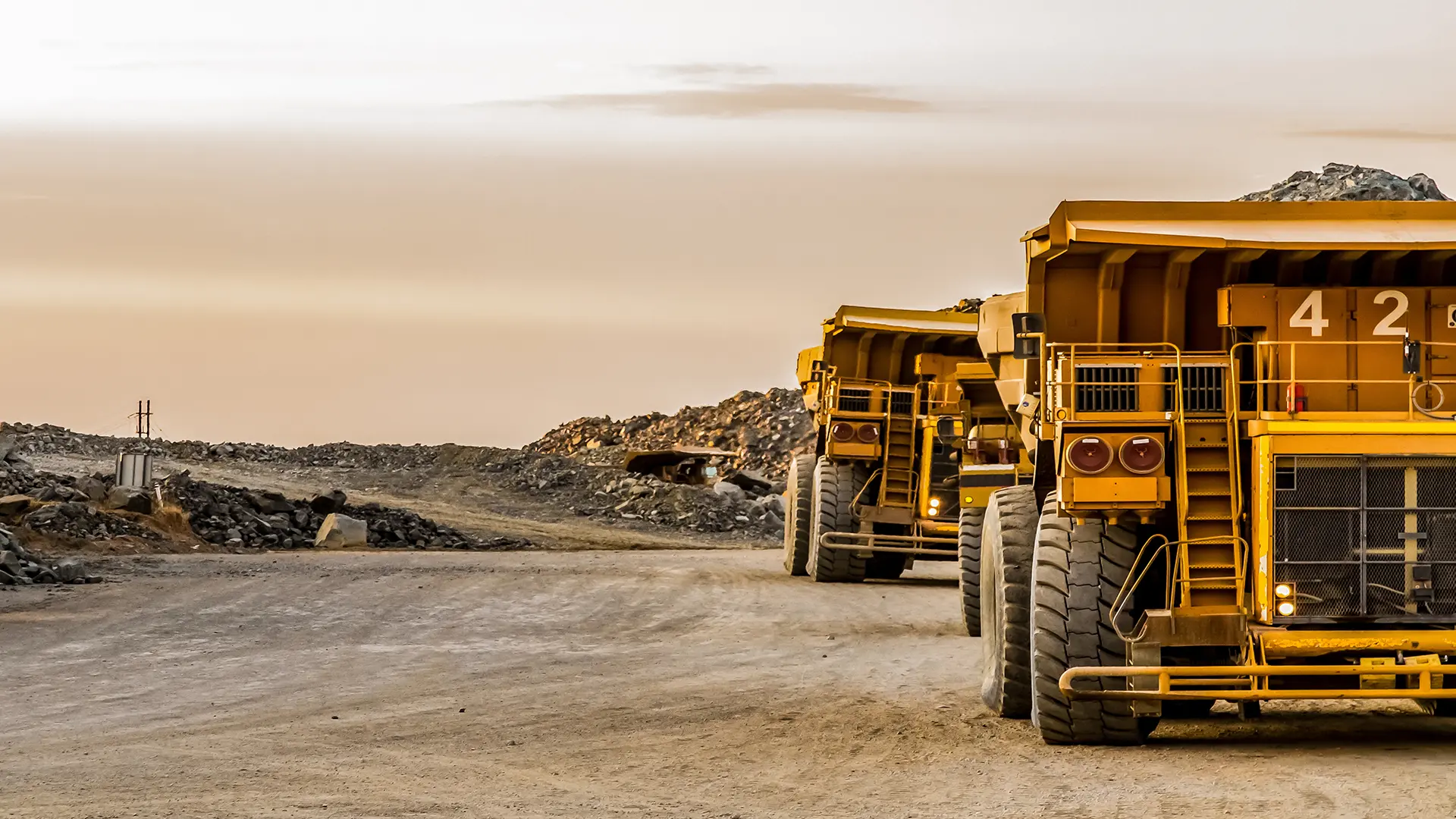
Transportation of water is not only a significant cost but also a source of tension with cities and residents near well sites. "When you have 1,000 truck trips to bring water to a frac site, and then a few hundred truck trips to remove flowback water or produced water from the site, you have increased incidence of accidents, road damage, dust and other ecological impacts," Kenneth Carlson, associate professor of civil and environmental engineering at Colorado State University (Fort Collins, Colorado), told the conference. "We would characterize these as risks to a community's happiness, and they can be meaningful," particularly when residential subdivisions are located near oil & gas wells, as they are in Colorado's Niobrara Formation.
Industrial Info Resources (IIR), with global headquarters in Sugar Land, Texas, and eight offices outside of North America, is the leading provider of global market intelligence specializing in the industrial process, heavy manufacturing and energy markets. Industrial Info's quality-assurance philosophy, the Living Forward Reporting Principle, provides up-to-the-minute intelligence on what's happening now, while constantly keeping track of future opportunities.
/news/article.jsp
false
Want More IIR News Intelligence?
Make us a Preferred Source on Google to see more of us when you search.
Add Us On GoogleAsk Us
Have a question for our staff?
Submit a question and one of our experts will be happy to assist you.

Forecasts & Analytical Solutions
Where global project and asset data meets advanced analytics for smarter market sizing and forecasting.
Explore Our SolutionsRelated Articles
-
U.S. Eyes Argentina's Vaca Muerta, Mineral ResourcesSeptember 29, 2026
-
U.K. Backs First Lithium Processing RefinerySeptember 29, 2026
-
Estados Unidos pone la mira en Vaca Muerta y los recursos mi...September 29, 2026
-
Peru's Government Expects US$7 Billion in Mining Investments...September 28, 2026
-
Almonty Secures Tungsten Lifeline For Spanish MineSeptember 28, 2026

PECWeb Global Market Intelligence Platform
Identify opportunities, anticipate change, and execute with confidence. PECWeb connects the industrial intelligence you need, from projects and assets to operational events, all in one platform.
Discover PecwebIndustry Intel
-
2026 US Data Center Outlook: Power, Land & CoolingPodcast Episode / Sep 18, 2026
-
2026 Global Power Demand Outlook: Gas, Nuclear & RenewablesPodcast Episode / Sep 18, 2026
-
2026 Oil & Gas CapEx Outlook: Middle East, LNG & PermianPodcast Episode / Sep 4, 2026
-
The Answer Age Starts with Trusted Data: Introducing IIR Envoy™ MCPPodcast Episode / Sep 1, 2026
-
European Chemicals and Transport Fuels OutlookPodcast Episode / Jul 10, 2026
