Production
Egypt Concerned About Coming Decade's Natural Gas Demand
Egyptian petroleum minister Sameh Fahmi announced that the country will review a number of important issues at the Algeria Natural Gas Producers Conference this...
Released Tuesday, May 11, 2010
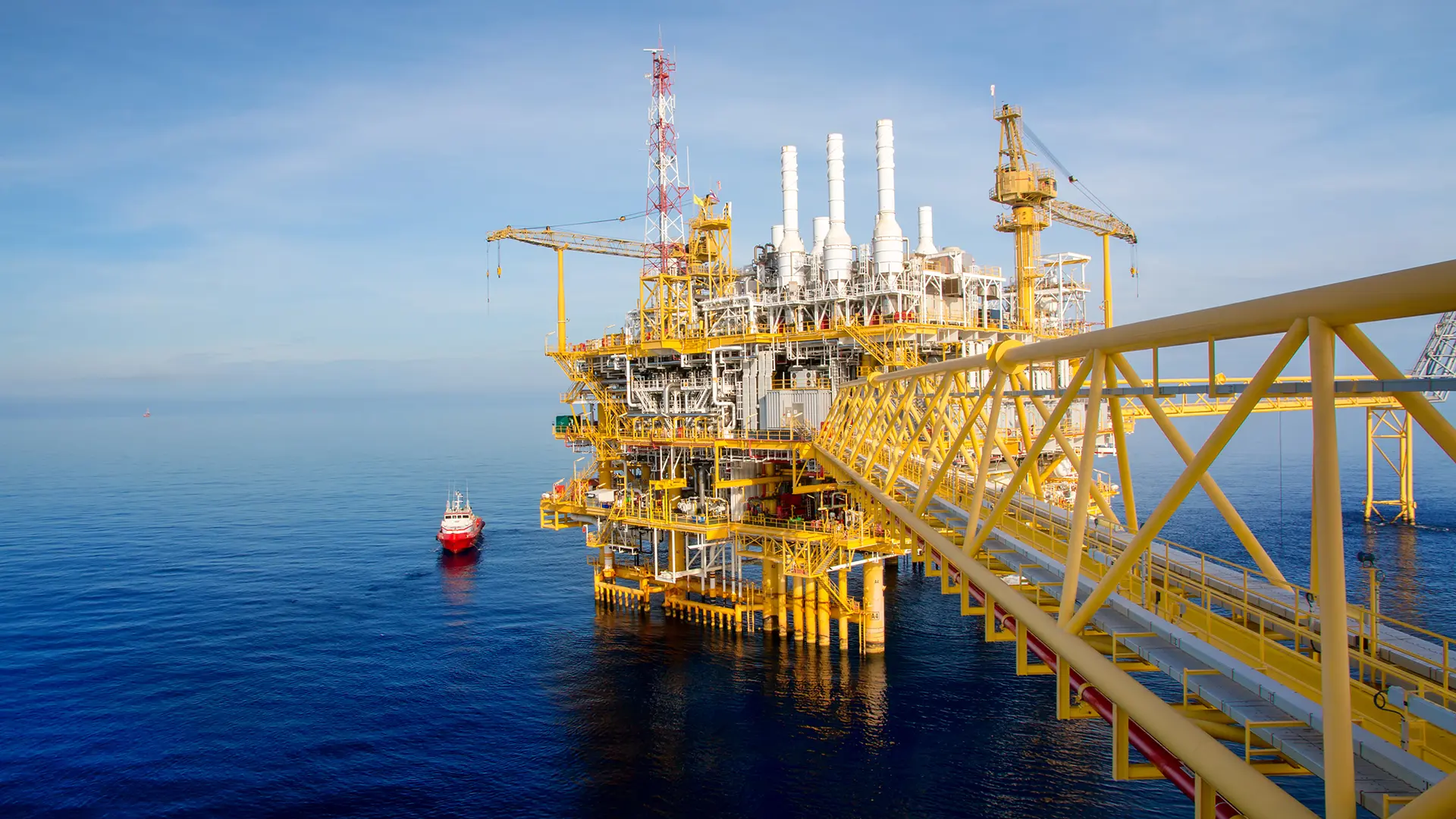
Researched by Industrial Info Resources (Sugar Land, Texas)--Egyptian petroleum minister Sameh Fahmi announced that the country will review a number of important issues at the Algeria Natural Gas Producers Conference this month to help meet the challenges facing the gas industry on a global level.
The minister added that international gas prices, compared with the price of crude oil and other energy sources, is not suited with its status as major source of energy that meets more than 24% of the world's energy consumption. Establishing a balance between global supply and demand for natural gas is one of the main reasons to bring stability and fair prices back to the natural gas market.
The Arab Gas Pipeline links Egypt, Jordan, Syria and Lebanon, and will extend to Europe at a later stage. The project aims to export Egyptian natural gas (and later, Iraqi gas) to Turkey and Europe while supplying Jordan, Syria and Lebanon with natural gas.
The pipeline has a 36-inch diameter. The first phase was completed in July 2003 and extended from Arish, Egypt, to Aqaba, Jordan, with length of 265 kilometers. Egyptian investments were $200 million. Completion of the second and third phases in Jordan provided an additional 430 kilometers of pipeline and required investments of about $335 million, which was provided by petroleum companies. The fourth phase extends from the Jordan-Syria border to the city of Homs in central Syria.
The Egyptian cabinet issued a study showing that Egypt relies on oil and gas for 94.5% of its energy needs. In 2006-07, gas accounted for 55% of Egypt's total energy production.
The study showed that Egypt's energy demand is growing about 7% per year. If the country's policy of exporting gas continues, Egypt will face a deficit in gas production and will be unable to meet local demand by 2020. To overcome the problem of a future shortfall of gas, the study recommends the following measures:
- a review of gas contracts with foreign companies
- increased oil and gas exploration
- stopping the extension of the Arab Gas Pipeline after Syria
/news/article.jsp
false
Want More IIR News Intelligence?
Make us a Preferred Source on Google to see more of us when you search.
Add Us On GoogleAsk Us
Have a question for our staff?
Submit a question and one of our experts will be happy to assist you.

Forecasts & Analytical Solutions
Where global project and asset data meets advanced analytics for smarter market sizing and forecasting.
Explore Our SolutionsRelated Articles

PECWeb Global Market Intelligence Platform
Identify opportunities, anticipate change, and execute with confidence. PECWeb connects the industrial intelligence you need, from projects and assets to operational events, all in one platform.
Discover PecwebIndustry Intel
-
European Chemicals and Transport Fuels OutlookPodcast Episode / Jul 10, 2026
-
2026 European Petroleum Refining Project OutlookPodcast Episode / Jun 26, 2026
-
Brazil: Efficiency, Innovation, and Opportunities in the Food & Beverage IndustryPodcast Episode / Jun 12, 2026
-
2026-2027 Investment Radar for Mexico, Central America & the CaribbeanPodcast Episode / May 29, 2026
-
Innovations Shaping the Next Era of Power GenerationPodcast Episode / May 22, 2026