Innovations Shaping the Next Era of Power Generation
Video Language
Sponsored by
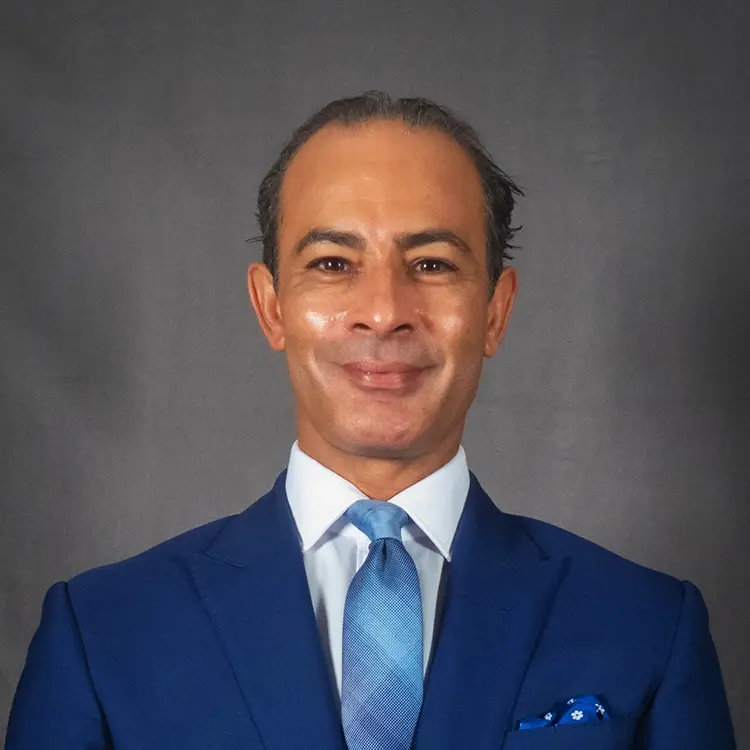
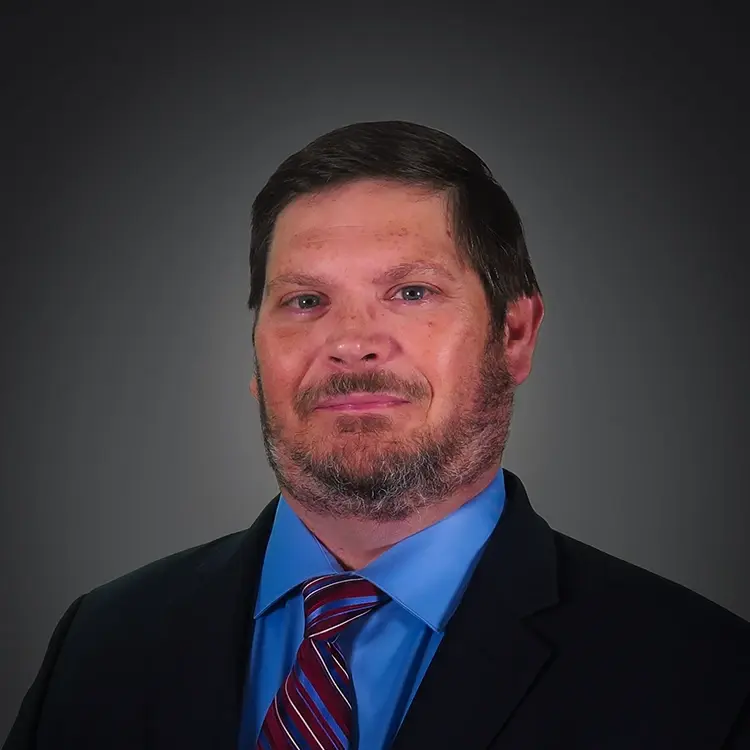
Are we witnessing a fundamental shift toward energy security at the expense of sustainability? As AI data centers drive unprecedented surges in global electricity demand, the power sector faces a critical balancing act. In this episode, Shaheen Chohan (Sr. VP of Global Analytics) and Britt Burt (Sr. VP of Research - Power) unpack the 2026 global power spending outlook. They explore how the industry is racing to meet massive base load requirements amid complex decarbonization goals.
[Intro] (00:01):
Under current projections, electricity demand growth rates are far exceeding the rate of demand for total energy out to 2040, and with much of the capital investments and new supply coming online over the last five years having been associated with renewables, how will this play out over the next five years? Bearing in mind that we are now in the midst of huge amounts of geopolitical trade and energy complexity, at a time when the cost of living issues still remains. And so the big question is, could we possibly see a shift more towards energy security and affordability at the expense of sustainability?
Shaheen Chohan (01:00):
Welcome to Navigating the Currents of Change. My name is Shaheen Chohan and I lead Global Analytics here at Industrial Info Resources. And for over 40 years we have been providing market intelligence, data analytics and geospatial solutions to those companies involved in the design, construction and maintenance of plants and facilities across energy, power and heavy industrial sectors across the world. Now I'm delighted to be joined by Britt Burt. Britt is IIR's global head of power research operations. He's in the hot seat today and will be helping me unpack some of the trends that we are seeing. Welcome, Britt.
Britt Burt (01:39):
Thank you, Shaheen, good to see you.
Shaheen Chohan (01:42):
Before we do that, I would actually like to say a very big thank you and acknowledgment to our podcast sponsor. HILCO is the world leader in motion control and filtration systems. Since 1905, HILCO filtration systems have been the industry standard, bringing fluid contamination problems under control cost-effectively with a full range of engineered filters, cartridges, reclaimer coolant recyclers and fluid conditioning systems.
Now, Britt, for well over a decade, renewable energy has been the dominant space, or part of the energy build-out certainly for new-build capacity coming online. Now we obviously are seeing heightened levels of pressure on some of those tax incentives and some of those policies that have been put in place to support these new technologies coming to market. And obviously, there are still mounting challenges to connect some of those new renewables to the grid. So is the wind and solar momentum potentially slowing down, or are we just seeing the industry in those two sectors still pushing through these impediments?
Britt Burt (02:55):
Yeah. I think when we look at this from a global standpoint, renewable energy is still moving forward very aggressively. And even here in the States, there was a lot of talk with the new administration about changes to the tax credit, and there have been some, and it has slowed it a little bit here in the US, but there's still a very aggressive build-out of solar with battery storage and wind. The constraints that you mentioned, the transmission infrastructure to take it — applies across the board, not just the renewable energy, but it's there. There's also a huge backlog in the queue, in the interconnect queues, for these projects as well — that's been the biggest constraint to them and the biggest delay for these projects in the US. But globally, we're still seeing solar — I think solar and wind together are still going to represent about 85 to 90% of everything we see moving forward over the next few years, where we're seeing new forms of energy. We're going to talk about those in a minute, but new forms of energy that are coming onto the scene as well, and I think all the talk of those is kind of overshadowing all the talk of renewables now.
Shaheen Chohan (04:12):
Now I want to stay with solar, if I may. And particularly for the US, on one hand we've got the tailwind from the Trump administration pushing for more solar components and panels to be manufactured domestically, because of the dependency that we've got elsewhere in the world. But on the other side, the administration kind of tightened the eligibility window for those very important — still important — tax credits, right. So we've kind of got this sort of dual set of pressures.
Britt Burt (04:50):
We could talk all day about the tax credits, but they've changed the dates on when they have to be in construction or when they have to be in operation to qualify. And that has weeded out a lot of the projects that probably weren't going to come to fruition anyway, to be quite honest with you. But it's still moving forward.
Shaheen Chohan (05:18):
Now, aside from solar and wind, which we always do talk about — what are some of the other renewable technologies? And I can only imagine that we've seen advancements in many other technologies in the renewables space. But in particular, I'd like to get your perspectives around hydro. We've seldom — hydro doesn't really get the big headline-grabbing news. Are we seeing any renaissance in that sector?
Britt Burt (05:39):
Yeah. Well, I think here in the States there's some hydro on the horizon, not necessarily near term, and most of it is in the form of pumped storage hydro. And that is the case in many parts around the world too, but we're still seeing some conventional hydro built in some of the areas you would imagine — Southeast Asia, a lot of small development of hydro in South Asia, East Asia, certainly China. So yeah, there's potential there. As far as other forms — geothermal, there's active areas of the world where we see geothermal moving forward — Indonesia, where the greatest sources for geothermal exist in the world, parts of Africa and parts of Europe, and in the US we've seen some geothermal projects moving forward to supply data centers. So it's coming on the scene too, just not on the scale of some of the other technologies.
Shaheen Chohan (06:42):
Now, battery storage solutions — obviously a key ingredient to the renewables' long-term outlook. We have seen some improvements in technology costs over the last few years, and certainly capacity has been scaling. But is there enough battery storage being built, certainly to keep pace with the rate of new renewable capacity coming online? Or is that going to also be another additional impediment to some of this?
Britt Burt (07:07):
Well, it really is. And there's a lot of capacity being built for battery storage all over the globe, especially in the US and China and Australia and Europe. A lot of battery storage being developed, but we're nowhere near where we need to be. Anywhere from 95 to 99% of that is all lithium-ion technology. Some other technologies in the works — sodium-ion, some of the flow technologies, iron-air technology — that are promising longer storage duration, because lithium-ion by and large is only four hours of storage duration. Some of these other technologies are being developed to improve on that a bit, but we're nowhere near where we need to be in terms of battery storage build-out — not by a long shot.
Shaheen Chohan (08:02):
Now I want to come back to a statement I made at the beginning, around electricity demand surging around the world. And it's kind of understandable why we would see that in some of those higher-growth industrial markets, developing markets that are going through industrial revolution, population growth — certainly in those Asian markets. But we're also seeing heightened levels of electricity demand in the developed markets, Europe and certainly the US. What is the big driver behind that occurring?
Britt Burt (08:30):
Primary driver is AI data centers. There are some other drivers as well, like electrification, more of the energy transition and that sort of thing, industrial growth, some population growth as well. But by and large it's AI data centers.
Shaheen Chohan (08:50):
So do you see renewables — even though renewables are still moving along at pace — do you think renewables be able to meet and match some of this demand growth on their own?
Britt Burt (08:55):
They are — I mean, there's a lot of power purchase agreements in place for renewable energy, because all the tech companies try to use low-carbon sources as much as they can. And so there's a lot of deals in place for solar energy. And I mentioned geothermal earlier, and battery storage, and even some wind that are supplying those. Yes, but that can't be the only solution. There have to be other technologies that contribute to this.
Shaheen Chohan (09:34):
Now, we heard at your opening speech at IIR's 2026 North America Market Outlook event about the resurgence in construction activity associated with new gas-fired capacity — that's specific to the US, and I'm going to come back to explore that a little bit and pull from you why that's happening. Where else in the world are you now seeing a kind of refocus on gas-fired capacity development also taking place?
Britt Burt (09:58):
It's pretty widespread. Southeast Asia — countries in Southeast Asia, Vietnam pulling back away from some of their coal developments in favor of natural gas-fired capacity, other parts of Southeast Asia, the Middle East, your neck of the woods, a widespread development throughout that region for obvious reasons — it's plentiful fuel for the most part. In Europe, we're seeing a return to natural gas-fired generation as well.
Shaheen Chohan (10:38):
But as the gas-fired market starts to, I guess, fire up again — excuse the pun — what's the big challenge?
Britt Burt (10:48):
Equipment supply. So to get your hands on a gas turbine — I mentioned last week that I talked to contacts in a major engineering firm developing a project here in the States. They told me a three-year delivery time on heavy frame gas turbines, and that's really a good deal if you can get a three year. It's more like five years for the heavy industrial frames. Aero derivatives are a little bit less — three-year window. But that's the biggest constraint — the supply chain for gas turbines.
Shaheen Chohan (11:23):
But are the turbine OEMs stepping up? I mean, what can they do?
Britt Burt (11:29):
Oh, they are. All the major players are stepping up their production to meet this demand — GE, Mitsubishi, Siemens, all three. There's some creative solutions out there as well. We have a client that's repurposing used 747 engines, which are basically the equivalent of a GE Frame 6000 — they're taking them and rebuilding those and repackaging them for use in the data centers. There's a company that has been developing supersonic jets — the market for supersonic jets isn't there, but they have the engines, and they're based on the technology that would drive a generator, so they're getting into this market. So there's a lot of creative solutions out there — mobile power, temporary power, that's trailer-mounted units and that sort of thing.
Shaheen Chohan (12:24):
So I guess outside of getting quite creative and innovative about repurposing turbines which were used for one job, I can only assume that there is now going to be a lot more criticality and focus on in-plant maintenance and care, and upgrades to existing gas-fired units, right?
Britt Burt (12:43):
Oh, absolutely. I mean, even taking into account all the gas turbines that we've installed over the past few years, many of those are coming due for major maintenance, major overhauls and things of that nature. As a part of that, many of them are doing what we call an uprate — as they overhaul these existing engines, they get more capacity out of the existing turbines. That's contributing to meeting this demand, this growth in electricity demand.
Shaheen Chohan (13:16):
So look, staying with the fossil fuel side of the supply chain — if demand for baseload power is just going to continue to increase, which it looks like it is, and is now being seen as really critical to maintaining supply resilience and grid stability, does this now open up a bigger window for coal-fired power?
Britt Burt (13:42):
Well, I can tell you that there's a lot of new build taking place in the coal-fired sector, certainly in China and India and Southeast Asia — still new-build activity. I don't think we're going to wake up in the morning and see new coal plants being built in Europe and in the United States. What we are seeing is units and plants that were scheduled for retirement last year, this year — in the windows that are coming up soon — we're seeing retirements extended five years, six years. In some cases I've seen it ten years — plants that were expected to retire this year, and they said, no, we're going to push that out to the late 2030s before we retire those units. So I think that opens the window for a lot of in-plant capital expenditures for those, because they've been maintaining those as best they can without major expenditures for a very long time, anticipating retirement dates. Now that's changed, and so it's going to become necessary to do major maintenance and overhauls to a lot of those pieces of equipment.
Shaheen Chohan (14:56):
Well, I mean, that demand profile must be pretty positive, bearing in mind that to keep a coal-fired unit online is going to require additional care and maintenance — get it fit for purpose — but also make sure that it aligns with all of the EPA emissions requirements as well. So, I mean, the cost of running these units must be fairly high.
Britt Burt (15:21):
It is. Yeah, absolutely. Without a doubt.
Shaheen Chohan (15:27):
Britt, you mentioned you don't expect to see any new grassroots coal-fired power plants anytime soon in your lifetime. You have talked in the past about clean coal. Now, to a novice, could you explain a little bit what clean coal actually means?
Britt Burt (15:40):
Yeah, clean coal in most cases — what they're talking about is gasification of coal. So they take it and put it through a gasifier to turn it into a synthetic natural gas, and use that to fuel combustion turbines. We have a handful of those operating in the US, and more around the world, but it has never proven to be a reliable technology. The last one we tried building here in the States turned into a very, very expensive natural gas-fired plant, because they never did get the gasifiers operating properly. So I don't expect, even from that angle, I don't expect to see new coal capacity being added in the United States. There is one utility that has suggested that they may add a new coal-fired unit — I believe it's in the Dakotas, but I don't expect that project to come to realization. It's just talk right now. I don't even want to mention it by name, but it's just simply talk at this point.
Shaheen Chohan (16:52):
So Britt, even with the addition of adding a carbon capture and storage unit to an existing coal-fired power plant, you don't think that would help support the industry and possibly keep it in the mix for a little bit longer?
Britt Burt (17:04):
Yeah. Well, there's a lot of talk about some carbon capture projects at existing coal-fired facilities — that's kind of cooled down a little bit since the change in administration. We'll see what happens to that. There's probably nine of them that we've identified here in the States, and more around the world, where they're talking about adding carbon capture to existing plants. But that's a very expensive proposition as well.
Shaheen Chohan (17:40):
Now, staying with the theme of how best to meet baseload power demand growth — we hear a lot these days about how vitally important it is to add nuclear capacity to your mix right now. You've been tracking this market a long time — you've seen nuclear go from a very strong part of the play to falling out of favor. Are you now starting to see nuclear coming back? And could we see a new renaissance for nuclear power?
Britt Burt (18:06):
Oh, without a doubt. I think someone has been listening to our webinars over the past two years, because you and I have talked about this for a very long time — that we're never going to meet the decarbonization goals (this is before electricity demand started climbing) — that we would not meet our decarbonization goals without nuclear being a big piece of that. And so that's still in play. And as we mentioned, the tech companies want to use low-carbon energy as much as they can. Well, the most readily available source of that is nuclear power. And we're seeing it on a grand scale around the world. I think there's 23 countries or more that have tax incentives and credits, some kind of program that are promoting more nuclear capacity. So we're seeing it everywhere — it's in China, it's in other parts of East Asia, even Japan, that after the Fukushima incident were talking about closing down their nuclear reactors — they've started 13 reactors back up and still have 14 that they're working on restarting, and they're looking at adding maybe small modular reactors. In Japan we see a lot of development. In the Middle East, in countries that do not currently have existing capacity, speaking of adding nuclear capacity — there's parts of Europe, Poland has started building out their first nuclear power plant, and certainly the UK and France are in that game. Some of the countries that for a long time have been opposed to anybody having nuclear power in the region, like Germany — they've closed their nuclear reactors down, but they're now supportive of more capacity being built in the EU. And then certainly here in the States, all the major tech companies — the Metas, Microsoft, Google — all of them have signed deals in various stages to either restart retired nuclear facilities, or they're directly investing in building new plants. So it's widespread. And I think now we're still a couple of years from seeing construction on the first SMRs — when I say the first ones, I believe construction is underway on some in China right now, but other than that, we're still a couple of years away from seeing construction starts on those, but a lot of development going on.
Shaheen Chohan (20:50):
So have we seen any SMRs actually come online — you could view them as pilot projects — have any actually come to pilot projects?
Britt Burt (21:01):
Certainly, yeah. But at utility scale, I think for North America, probably the first one will be up in Darlington, in Ontario, will be the first one that starts construction. There's 40 or 50 different designs of SMRs around the world. What we need — and I've said this in front of people and they've given me the old head nod — is we need 5 or 6 of these to jump in the pond and take the plunge and start building these out, and there's going to be bugs to be worked out, and things that have to be solved going forward. That's kind of where we are.
Shaheen Chohan (21:46):
So, parking that aside — a clear acknowledgment that nuclear does have a very big role, a major role, big baseload provider and green credentials. Perfect. There's got to be some hurdles. The big mega nuclear facilities have big budgets, long lead times. The SMRs are still just emerging. Are there any other hurdles around the nuclear sector that you think may cause it to slow down a little bit?
Britt Burt (22:13):
I think the uncertainty over the technologies that we talked about just a second ago — that's a hurdle, working through some of those issues. A lot of testbed reactors in development to determine which technologies are going to be best suited to meet this demand — that's always slow to move forward. The regulatory process is always a hurdle too, but it's been streamlined a little bit here, so we're seeing some of those move along at a better clip. In the grand scheme of things, that's mainly the regulatory process they have to go through, depending on where you are in the world. But that's the biggest hurdle, and expense is always a concern — historically the conventional reactors have always been over budget, over time schedule. It remains to be seen if the SMRs are going to be better, but we'll see how it plays out.
Shaheen Chohan (23:22):
So Britt, just in closing, maybe you could give us your final takeaways on what you expect to see as some of the top themes, certainly for this year and possibly into 2027. What are some of those big themes you think we should all be watching out for?
Britt Burt (23:34):
Yeah, I think it's just the continuing strategy to meet this booming electricity demand that we're seeing. We're certainly going to see the build-out of more natural gas-fired facilities. Renewables aren't going away — I think the only scale-back we may see on that in the States is going to be on the offshore wind side, but solar and wind are going to continue to move forward. On the nuclear side, we continue to see that being built out. And the big thing is these data centers — a lot of them are not going to depend on grid electricity. A lot of it's going to be behind the meter, and we see here in the States — I think we're going to see it to some degree in other parts of the world too — behind-the-meter plants, where you may have a power company that comes in and builds a plant to serve a specific data center, direct-connected to those plants. I believe that's something that we'll see take shape more and more going forward.
Shaheen Chohan (24:47):
That brings us to the conclusion of our discussion, and it really only leads me to say a couple of big thank yous. First, to you, Britt — a very big thanks for sharing your views and perspectives today. If any of you have got any questions about any of the points that we've been raising today, then please do reach out to myself or Britt via the contact details you can see here. And secondly, big thanks to our podcast sponsor HILCO, who since 1905 have been the world leader in motion control and filtration systems. And then finally, a very big thanks to all of you who've joined us today. I hope we have helped you all better navigate some of the currents of change we are seeing.
Under current projections, electricity demand growth rates are far exceeding the rate of demand for total energy out to 2040, and with much of the capital investments and new supply coming online over the last five years having been associated with renewables, how will this play out over the next five years? Bearing in mind that we are now in the midst of huge amounts of geopolitical trade and energy complexity, at a time when the cost of living issues still remains. And so the big question is, could we possibly see a shift more towards energy security and affordability at the expense of sustainability?
Shaheen Chohan (01:00):
Welcome to Navigating the Currents of Change. My name is Shaheen Chohan and I lead Global Analytics here at Industrial Info Resources. And for over 40 years we have been providing market intelligence, data analytics and geospatial solutions to those companies involved in the design, construction and maintenance of plants and facilities across energy, power and heavy industrial sectors across the world. Now I'm delighted to be joined by Britt Burt. Britt is IIR's global head of power research operations. He's in the hot seat today and will be helping me unpack some of the trends that we are seeing. Welcome, Britt.
Britt Burt (01:39):
Thank you, Shaheen, good to see you.
Shaheen Chohan (01:42):
Before we do that, I would actually like to say a very big thank you and acknowledgment to our podcast sponsor. HILCO is the world leader in motion control and filtration systems. Since 1905, HILCO filtration systems have been the industry standard, bringing fluid contamination problems under control cost-effectively with a full range of engineered filters, cartridges, reclaimer coolant recyclers and fluid conditioning systems.
Now, Britt, for well over a decade, renewable energy has been the dominant space, or part of the energy build-out certainly for new-build capacity coming online. Now we obviously are seeing heightened levels of pressure on some of those tax incentives and some of those policies that have been put in place to support these new technologies coming to market. And obviously, there are still mounting challenges to connect some of those new renewables to the grid. So is the wind and solar momentum potentially slowing down, or are we just seeing the industry in those two sectors still pushing through these impediments?
Britt Burt (02:55):
Yeah. I think when we look at this from a global standpoint, renewable energy is still moving forward very aggressively. And even here in the States, there was a lot of talk with the new administration about changes to the tax credit, and there have been some, and it has slowed it a little bit here in the US, but there's still a very aggressive build-out of solar with battery storage and wind. The constraints that you mentioned, the transmission infrastructure to take it — applies across the board, not just the renewable energy, but it's there. There's also a huge backlog in the queue, in the interconnect queues, for these projects as well — that's been the biggest constraint to them and the biggest delay for these projects in the US. But globally, we're still seeing solar — I think solar and wind together are still going to represent about 85 to 90% of everything we see moving forward over the next few years, where we're seeing new forms of energy. We're going to talk about those in a minute, but new forms of energy that are coming onto the scene as well, and I think all the talk of those is kind of overshadowing all the talk of renewables now.
Shaheen Chohan (04:12):
Now I want to stay with solar, if I may. And particularly for the US, on one hand we've got the tailwind from the Trump administration pushing for more solar components and panels to be manufactured domestically, because of the dependency that we've got elsewhere in the world. But on the other side, the administration kind of tightened the eligibility window for those very important — still important — tax credits, right. So we've kind of got this sort of dual set of pressures.
Britt Burt (04:50):
We could talk all day about the tax credits, but they've changed the dates on when they have to be in construction or when they have to be in operation to qualify. And that has weeded out a lot of the projects that probably weren't going to come to fruition anyway, to be quite honest with you. But it's still moving forward.
Shaheen Chohan (05:18):
Now, aside from solar and wind, which we always do talk about — what are some of the other renewable technologies? And I can only imagine that we've seen advancements in many other technologies in the renewables space. But in particular, I'd like to get your perspectives around hydro. We've seldom — hydro doesn't really get the big headline-grabbing news. Are we seeing any renaissance in that sector?
Britt Burt (05:39):
Yeah. Well, I think here in the States there's some hydro on the horizon, not necessarily near term, and most of it is in the form of pumped storage hydro. And that is the case in many parts around the world too, but we're still seeing some conventional hydro built in some of the areas you would imagine — Southeast Asia, a lot of small development of hydro in South Asia, East Asia, certainly China. So yeah, there's potential there. As far as other forms — geothermal, there's active areas of the world where we see geothermal moving forward — Indonesia, where the greatest sources for geothermal exist in the world, parts of Africa and parts of Europe, and in the US we've seen some geothermal projects moving forward to supply data centers. So it's coming on the scene too, just not on the scale of some of the other technologies.
Shaheen Chohan (06:42):
Now, battery storage solutions — obviously a key ingredient to the renewables' long-term outlook. We have seen some improvements in technology costs over the last few years, and certainly capacity has been scaling. But is there enough battery storage being built, certainly to keep pace with the rate of new renewable capacity coming online? Or is that going to also be another additional impediment to some of this?
Britt Burt (07:07):
Well, it really is. And there's a lot of capacity being built for battery storage all over the globe, especially in the US and China and Australia and Europe. A lot of battery storage being developed, but we're nowhere near where we need to be. Anywhere from 95 to 99% of that is all lithium-ion technology. Some other technologies in the works — sodium-ion, some of the flow technologies, iron-air technology — that are promising longer storage duration, because lithium-ion by and large is only four hours of storage duration. Some of these other technologies are being developed to improve on that a bit, but we're nowhere near where we need to be in terms of battery storage build-out — not by a long shot.
Shaheen Chohan (08:02):
Now I want to come back to a statement I made at the beginning, around electricity demand surging around the world. And it's kind of understandable why we would see that in some of those higher-growth industrial markets, developing markets that are going through industrial revolution, population growth — certainly in those Asian markets. But we're also seeing heightened levels of electricity demand in the developed markets, Europe and certainly the US. What is the big driver behind that occurring?
Britt Burt (08:30):
Primary driver is AI data centers. There are some other drivers as well, like electrification, more of the energy transition and that sort of thing, industrial growth, some population growth as well. But by and large it's AI data centers.
Shaheen Chohan (08:50):
So do you see renewables — even though renewables are still moving along at pace — do you think renewables be able to meet and match some of this demand growth on their own?
Britt Burt (08:55):
They are — I mean, there's a lot of power purchase agreements in place for renewable energy, because all the tech companies try to use low-carbon sources as much as they can. And so there's a lot of deals in place for solar energy. And I mentioned geothermal earlier, and battery storage, and even some wind that are supplying those. Yes, but that can't be the only solution. There have to be other technologies that contribute to this.
Shaheen Chohan (09:34):
Now, we heard at your opening speech at IIR's 2026 North America Market Outlook event about the resurgence in construction activity associated with new gas-fired capacity — that's specific to the US, and I'm going to come back to explore that a little bit and pull from you why that's happening. Where else in the world are you now seeing a kind of refocus on gas-fired capacity development also taking place?
Britt Burt (09:58):
It's pretty widespread. Southeast Asia — countries in Southeast Asia, Vietnam pulling back away from some of their coal developments in favor of natural gas-fired capacity, other parts of Southeast Asia, the Middle East, your neck of the woods, a widespread development throughout that region for obvious reasons — it's plentiful fuel for the most part. In Europe, we're seeing a return to natural gas-fired generation as well.
Shaheen Chohan (10:38):
But as the gas-fired market starts to, I guess, fire up again — excuse the pun — what's the big challenge?
Britt Burt (10:48):
Equipment supply. So to get your hands on a gas turbine — I mentioned last week that I talked to contacts in a major engineering firm developing a project here in the States. They told me a three-year delivery time on heavy frame gas turbines, and that's really a good deal if you can get a three year. It's more like five years for the heavy industrial frames. Aero derivatives are a little bit less — three-year window. But that's the biggest constraint — the supply chain for gas turbines.
Shaheen Chohan (11:23):
But are the turbine OEMs stepping up? I mean, what can they do?
Britt Burt (11:29):
Oh, they are. All the major players are stepping up their production to meet this demand — GE, Mitsubishi, Siemens, all three. There's some creative solutions out there as well. We have a client that's repurposing used 747 engines, which are basically the equivalent of a GE Frame 6000 — they're taking them and rebuilding those and repackaging them for use in the data centers. There's a company that has been developing supersonic jets — the market for supersonic jets isn't there, but they have the engines, and they're based on the technology that would drive a generator, so they're getting into this market. So there's a lot of creative solutions out there — mobile power, temporary power, that's trailer-mounted units and that sort of thing.
Shaheen Chohan (12:24):
So I guess outside of getting quite creative and innovative about repurposing turbines which were used for one job, I can only assume that there is now going to be a lot more criticality and focus on in-plant maintenance and care, and upgrades to existing gas-fired units, right?
Britt Burt (12:43):
Oh, absolutely. I mean, even taking into account all the gas turbines that we've installed over the past few years, many of those are coming due for major maintenance, major overhauls and things of that nature. As a part of that, many of them are doing what we call an uprate — as they overhaul these existing engines, they get more capacity out of the existing turbines. That's contributing to meeting this demand, this growth in electricity demand.
Shaheen Chohan (13:16):
So look, staying with the fossil fuel side of the supply chain — if demand for baseload power is just going to continue to increase, which it looks like it is, and is now being seen as really critical to maintaining supply resilience and grid stability, does this now open up a bigger window for coal-fired power?
Britt Burt (13:42):
Well, I can tell you that there's a lot of new build taking place in the coal-fired sector, certainly in China and India and Southeast Asia — still new-build activity. I don't think we're going to wake up in the morning and see new coal plants being built in Europe and in the United States. What we are seeing is units and plants that were scheduled for retirement last year, this year — in the windows that are coming up soon — we're seeing retirements extended five years, six years. In some cases I've seen it ten years — plants that were expected to retire this year, and they said, no, we're going to push that out to the late 2030s before we retire those units. So I think that opens the window for a lot of in-plant capital expenditures for those, because they've been maintaining those as best they can without major expenditures for a very long time, anticipating retirement dates. Now that's changed, and so it's going to become necessary to do major maintenance and overhauls to a lot of those pieces of equipment.
Shaheen Chohan (14:56):
Well, I mean, that demand profile must be pretty positive, bearing in mind that to keep a coal-fired unit online is going to require additional care and maintenance — get it fit for purpose — but also make sure that it aligns with all of the EPA emissions requirements as well. So, I mean, the cost of running these units must be fairly high.
Britt Burt (15:21):
It is. Yeah, absolutely. Without a doubt.
Shaheen Chohan (15:27):
Britt, you mentioned you don't expect to see any new grassroots coal-fired power plants anytime soon in your lifetime. You have talked in the past about clean coal. Now, to a novice, could you explain a little bit what clean coal actually means?
Britt Burt (15:40):
Yeah, clean coal in most cases — what they're talking about is gasification of coal. So they take it and put it through a gasifier to turn it into a synthetic natural gas, and use that to fuel combustion turbines. We have a handful of those operating in the US, and more around the world, but it has never proven to be a reliable technology. The last one we tried building here in the States turned into a very, very expensive natural gas-fired plant, because they never did get the gasifiers operating properly. So I don't expect, even from that angle, I don't expect to see new coal capacity being added in the United States. There is one utility that has suggested that they may add a new coal-fired unit — I believe it's in the Dakotas, but I don't expect that project to come to realization. It's just talk right now. I don't even want to mention it by name, but it's just simply talk at this point.
Shaheen Chohan (16:52):
So Britt, even with the addition of adding a carbon capture and storage unit to an existing coal-fired power plant, you don't think that would help support the industry and possibly keep it in the mix for a little bit longer?
Britt Burt (17:04):
Yeah. Well, there's a lot of talk about some carbon capture projects at existing coal-fired facilities — that's kind of cooled down a little bit since the change in administration. We'll see what happens to that. There's probably nine of them that we've identified here in the States, and more around the world, where they're talking about adding carbon capture to existing plants. But that's a very expensive proposition as well.
Shaheen Chohan (17:40):
Now, staying with the theme of how best to meet baseload power demand growth — we hear a lot these days about how vitally important it is to add nuclear capacity to your mix right now. You've been tracking this market a long time — you've seen nuclear go from a very strong part of the play to falling out of favor. Are you now starting to see nuclear coming back? And could we see a new renaissance for nuclear power?
Britt Burt (18:06):
Oh, without a doubt. I think someone has been listening to our webinars over the past two years, because you and I have talked about this for a very long time — that we're never going to meet the decarbonization goals (this is before electricity demand started climbing) — that we would not meet our decarbonization goals without nuclear being a big piece of that. And so that's still in play. And as we mentioned, the tech companies want to use low-carbon energy as much as they can. Well, the most readily available source of that is nuclear power. And we're seeing it on a grand scale around the world. I think there's 23 countries or more that have tax incentives and credits, some kind of program that are promoting more nuclear capacity. So we're seeing it everywhere — it's in China, it's in other parts of East Asia, even Japan, that after the Fukushima incident were talking about closing down their nuclear reactors — they've started 13 reactors back up and still have 14 that they're working on restarting, and they're looking at adding maybe small modular reactors. In Japan we see a lot of development. In the Middle East, in countries that do not currently have existing capacity, speaking of adding nuclear capacity — there's parts of Europe, Poland has started building out their first nuclear power plant, and certainly the UK and France are in that game. Some of the countries that for a long time have been opposed to anybody having nuclear power in the region, like Germany — they've closed their nuclear reactors down, but they're now supportive of more capacity being built in the EU. And then certainly here in the States, all the major tech companies — the Metas, Microsoft, Google — all of them have signed deals in various stages to either restart retired nuclear facilities, or they're directly investing in building new plants. So it's widespread. And I think now we're still a couple of years from seeing construction on the first SMRs — when I say the first ones, I believe construction is underway on some in China right now, but other than that, we're still a couple of years away from seeing construction starts on those, but a lot of development going on.
Shaheen Chohan (20:50):
So have we seen any SMRs actually come online — you could view them as pilot projects — have any actually come to pilot projects?
Britt Burt (21:01):
Certainly, yeah. But at utility scale, I think for North America, probably the first one will be up in Darlington, in Ontario, will be the first one that starts construction. There's 40 or 50 different designs of SMRs around the world. What we need — and I've said this in front of people and they've given me the old head nod — is we need 5 or 6 of these to jump in the pond and take the plunge and start building these out, and there's going to be bugs to be worked out, and things that have to be solved going forward. That's kind of where we are.
Shaheen Chohan (21:46):
So, parking that aside — a clear acknowledgment that nuclear does have a very big role, a major role, big baseload provider and green credentials. Perfect. There's got to be some hurdles. The big mega nuclear facilities have big budgets, long lead times. The SMRs are still just emerging. Are there any other hurdles around the nuclear sector that you think may cause it to slow down a little bit?
Britt Burt (22:13):
I think the uncertainty over the technologies that we talked about just a second ago — that's a hurdle, working through some of those issues. A lot of testbed reactors in development to determine which technologies are going to be best suited to meet this demand — that's always slow to move forward. The regulatory process is always a hurdle too, but it's been streamlined a little bit here, so we're seeing some of those move along at a better clip. In the grand scheme of things, that's mainly the regulatory process they have to go through, depending on where you are in the world. But that's the biggest hurdle, and expense is always a concern — historically the conventional reactors have always been over budget, over time schedule. It remains to be seen if the SMRs are going to be better, but we'll see how it plays out.
Shaheen Chohan (23:22):
So Britt, just in closing, maybe you could give us your final takeaways on what you expect to see as some of the top themes, certainly for this year and possibly into 2027. What are some of those big themes you think we should all be watching out for?
Britt Burt (23:34):
Yeah, I think it's just the continuing strategy to meet this booming electricity demand that we're seeing. We're certainly going to see the build-out of more natural gas-fired facilities. Renewables aren't going away — I think the only scale-back we may see on that in the States is going to be on the offshore wind side, but solar and wind are going to continue to move forward. On the nuclear side, we continue to see that being built out. And the big thing is these data centers — a lot of them are not going to depend on grid electricity. A lot of it's going to be behind the meter, and we see here in the States — I think we're going to see it to some degree in other parts of the world too — behind-the-meter plants, where you may have a power company that comes in and builds a plant to serve a specific data center, direct-connected to those plants. I believe that's something that we'll see take shape more and more going forward.
Shaheen Chohan (24:47):
That brings us to the conclusion of our discussion, and it really only leads me to say a couple of big thank yous. First, to you, Britt — a very big thanks for sharing your views and perspectives today. If any of you have got any questions about any of the points that we've been raising today, then please do reach out to myself or Britt via the contact details you can see here. And secondly, big thanks to our podcast sponsor HILCO, who since 1905 have been the world leader in motion control and filtration systems. And then finally, a very big thanks to all of you who've joined us today. I hope we have helped you all better navigate some of the currents of change we are seeing.
Please Select A Language
*This episode is brought to you by Industrial Info's Latin American Office in Argentina.