Metals & Minerals
Hyundai Steel Inaugurates No. 1 Blast Furnace of New Integrated Steel Plant
Hyundai Steel Company, South Korea's oldest and second-largest manufacturer of electric-arc furnace steel, inaugurated the 4 million-ton-per-year No. 1 blast furnace...
Released Wednesday, January 13, 2010
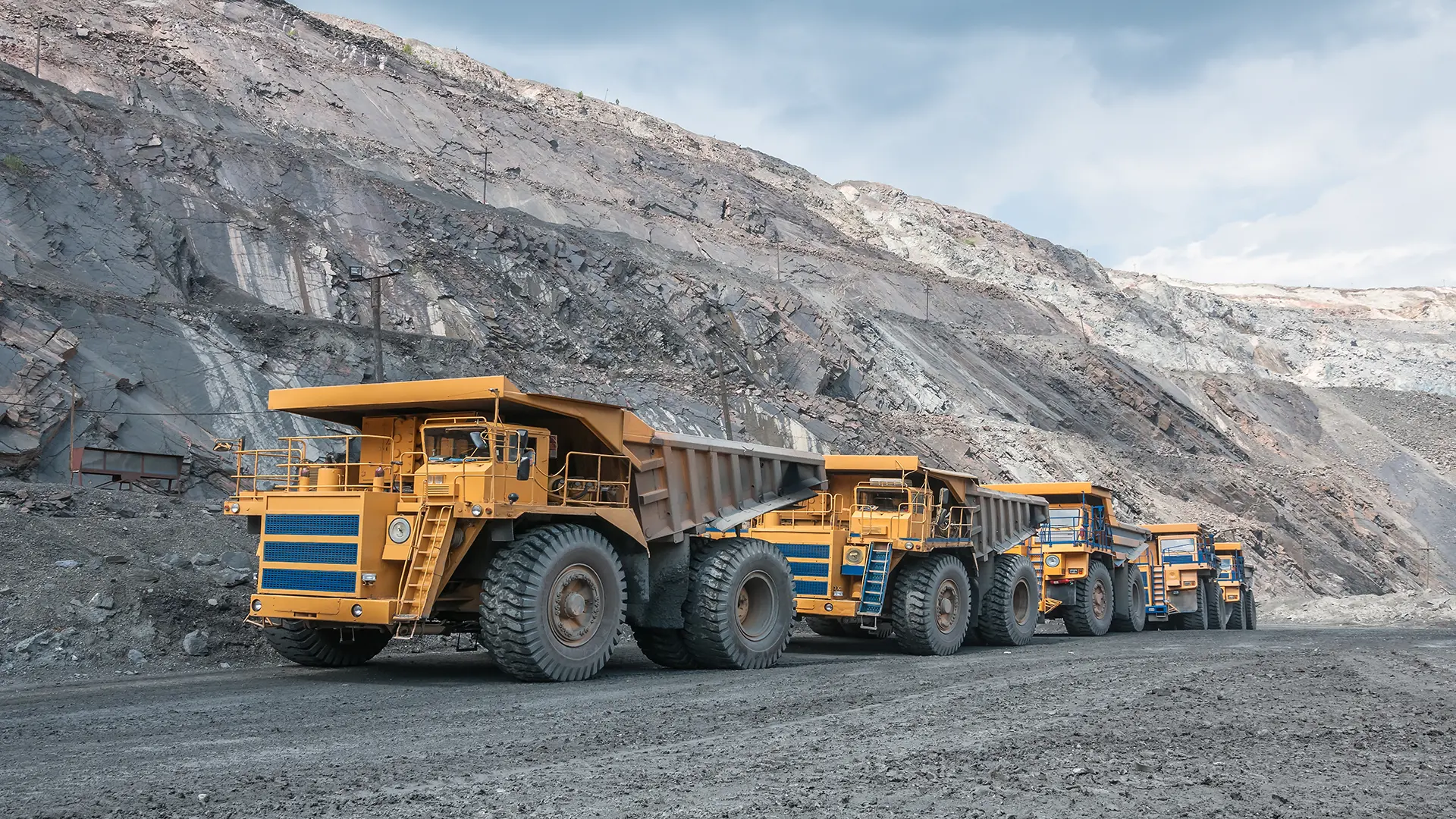
Researched by Industrial Info Resources (Sugar Land, Texas)--Hyundai Steel Company (SEO:004025) (Inchon, South Korea), South Korea's oldest and second-largest manufacturer of electric-arc furnace steel, inaugurated the 4 million-ton-per-year No. 1 blast furnace at its new integrated steel mill in Dangjin, South Korea.
The furnace was inaugurated on January 5, 2010, in a furnace-lighting ceremony that was attended by hundreds of distinguished guests, including Chairman Chung Mong Koo of the Hyundai Kia Automotive Group (Seoul, South Korea), which is the parent company of Hyundai Steel, and CEO Marc Solvi of engineering company Paul Wurth S.A. (Luxemburg). Paul Wurth, an affiliate of global steel making company ArcelorMittal (NYSE:MT) (Luxemburg), is the project engineer of the steel mill and oversaw the engineering of the blast furnace. Hyundai Steel and Paul Wurth signed a blast furnace equipment supply contract in March 2007. The steel mill's No. 2 blast furnace is scheduled for completion by early 2011, giving the company a total output of 8 million tons per year.
The massive No. 1 blast furnace has an inner volume of 5,250 cubic meters, a height of 110 meters, and a maximum width of 17 meters. It is the largest furnace designed by Paul Wurth and incorporates state-of-the-art engineering technologies. Construction of the furnace was completed on schedule, in a record-breaking three-year period. When fully operational, the furnace is expected to be competitive in both cost and quality.
The furnace has been constructed with the most advanced, environmentally friendly technologies and reflects the eco-friendly management philosophy of the Hyundai Kia Automotive Group. The eco-friendly nature of the steel project is in line with the South Korean government's "green" growth policy as well. Unlike most steel plants where environmental facilities are added after the completion of the facility, Hyundai Steel has incorporated a large part of state of the art emission control techniques into the design of the plant. For example, the raw material processing facility is encapsulated such that no iron ore or coal dust can escape and pollute the nearby communities.
The $5 billion integrated steel mill project was initiated in October 2006, and the blast furnaces will use iron ore and coking coal to produce high-quality steel for electronics, ships and cars. The mill will produce 6.5 million tons per year of hot-rolled coils and 1.5 million tons per year of steel plates. Hyundai Steel signed a long-term iron ore supply contract with metals and mining major Vale S.A. (NYSE:VALE) (Rio de Janeiro, Brazil) in May 2007. In 2008, Hyundai Steel signed long-term supply contracts with other iron ore mining companies, such as Rio Tinto Limited (ASX:RIO) (Melbourne, Australia). In December 2007, a technological cooperation agreement was signed with holding company ThyssenKrupp Steel AG (Duisburg, Germany).
The integrated steel mill is expected to create many employment opportunities, as well as business opportunities for small- and medium-sized enterprises. According to Chung, the steel mill will give the company a significant edge by allowing the automotive group to manufacture and secure its own supply of high-quality steel. The steel mill will contribute significantly to the nation's economy as well.
South Korea reportedly has been the largest consumer of steel per person for several years, although the country imports more than 20 million tons per year of semi-finished steel products because of its lack of steel making capacity. The nation imports most of its steel products from Japan and China. In 2008, South Korea imported about 28.9 million tons of steel products, which is equivalent to about 52.3% of its crude steel-manufacturing capacity. However, data available from the first nine months of 2009 show that South Korea's steel consumption decreased by 31.1% year-on-year because of the global financial crisis. Consumption in 2010 is expected to grow by 12.2% year-on-year with the economy on a positive recovery path. Hyundai Steel's new blast furnace is also expected to reduce the quantity of imports significantly.
View Project Report - 91000145 200004222
Industrial Info Resources (IIR) is the leading provider of global market intelligence specializing in the industrial process, heavy manufacturing and energy related markets. For more than 26 years, Industrial Info has provided plant and project opportunity databases, market forecasts, high resolution maps, and daily industry news.
/news/article.jsp
false
Want More IIR News Intelligence?
Make us a Preferred Source on Google to see more of us when you search.
Add Us On GoogleAsk Us
Have a question for our staff?
Submit a question and one of our experts will be happy to assist you.
Forecasts & Analytical Solutions
Where global project and asset data meets advanced analytics for smarter market sizing and forecasting.
Explore Our SolutionsRelated Articles
-
New Mexico Bans New Uranium Mine Leases on State LandsSeptember 21, 2026
-
Argentina Mining Exports Through July Reached US$5.36 Billio...September 21, 2026
-
Las exportaciones mineras argentinas hasta julio alcanzaron ...September 21, 2026
-
Australia Cutting 500 Jobs at Largest Steelworks WhyallaSeptember 18, 2026
-
Canada Draws in Billions from Toronto Investment SummitSeptember 17, 2026
PECWeb Global Market Intelligence Platform
Identify opportunities, anticipate change, and execute with confidence. PECWeb connects the industrial intelligence you need, from projects and assets to operational events, all in one platform.
Discover PecwebIndustry Intel
-
2026 US Data Center Outlook: Power, Land & CoolingPodcast Episode / Sep 18, 2026
-
2026 Global Power Demand Outlook: Gas, Nuclear & RenewablesPodcast Episode / Sep 18, 2026
-
2026 Oil & Gas CapEx Outlook: Middle East, LNG & PermianPodcast Episode / Sep 4, 2026
-
The Answer Age Starts with Trusted Data: Introducing IIR Envoy™ MCPPodcast Episode / Sep 1, 2026
-
European Chemicals and Transport Fuels OutlookPodcast Episode / Jul 10, 2026