Power
New Coal Boiler Technology Could Bring Cleaner Energy in South Korea
Despite success and promise, the wide-scale deployment of integrated gasification combined-cycle in South Korea is a few years away...
Released Tuesday, December 14, 2010
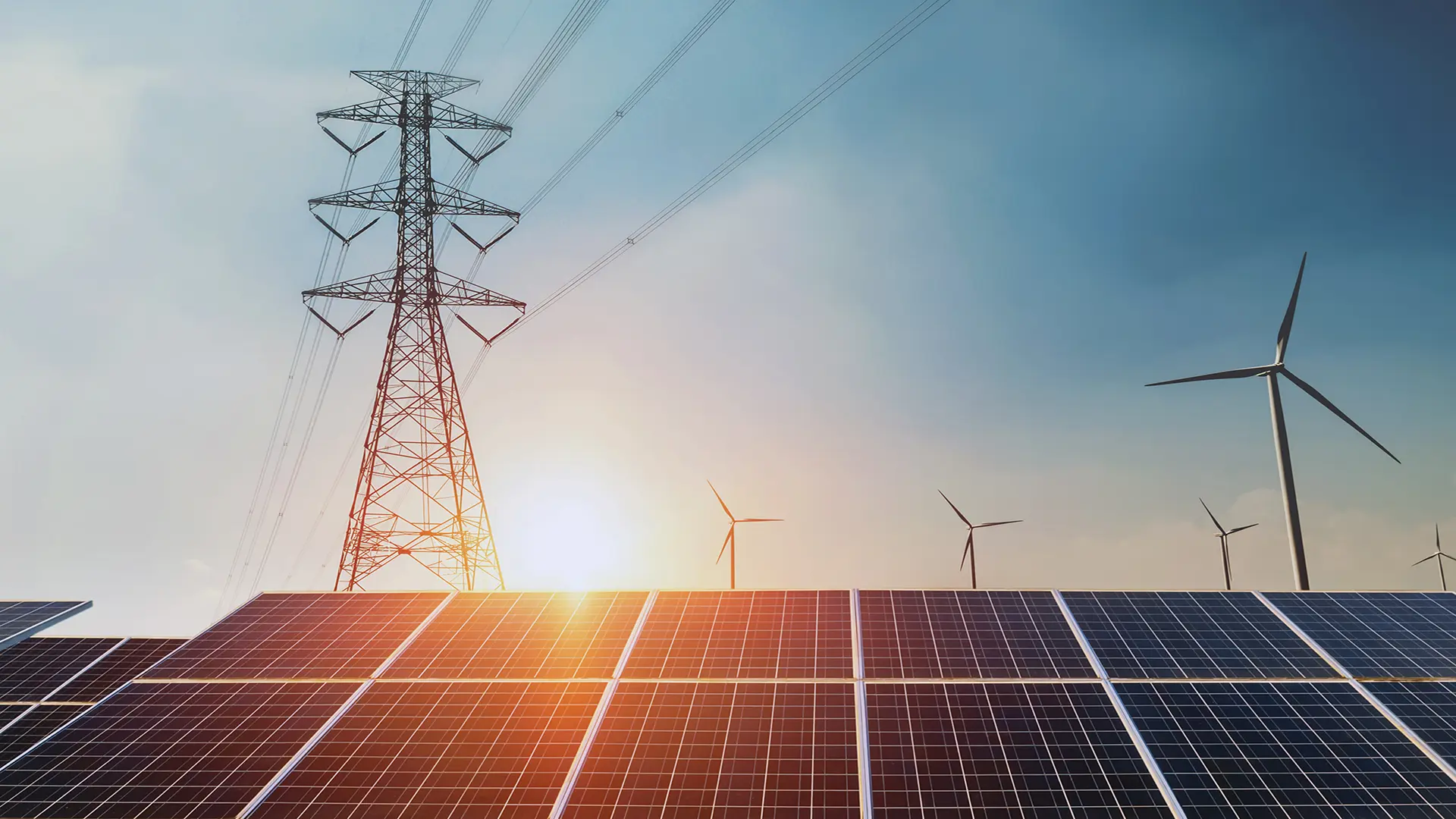
Researched by Industrial Info Resources (Sugar Land, Texas)--Despite success and promise, the wide-scale deployment of integrated gasification combined-cycle (IGCC) in South Korea is a few years away. The country has negligible domestic coal production, only possessing 149 million tons of recoverable coal reserves, and must import coal to satisfy demand. Over the years, South Korea has become the world's second-largest coal importer, after Japan. The electric power sector accounts for more than half of coal consumption, though IGCC promises a much cleaner future for coal-fired power plants. While IGCC is in line with South Korea's new and renewable energy program, the country cannot afford to wait for new technology to be employed, nor drastically decrease imports in favor of emissions reduction.
Currently, most of the world, including South Korea, employs pulverized-bed boilers (PBB) in coal-fired power plants and these, along with past types of boilers, have given coal-powered plants very poor reputations. PBB plants require that coal be ground into a fine dust before being fired at high temperatures; escaping emissions, such as sulfuric oxides and nitric oxides, are ineffectively collected by scrubbers. Coal plants have the reputation of being among the most pollution-inducing types of power plant.
A new boiler technology is rapidly taking hold in the world of coal-derived energy, and this new technology may serve as a more-than-suitable bridge between PBB and IGCC. Circular fluidized-bed combustion, known better as FBC, utilizes fluidized-bed boilers (FBB) that do not require coal dust or extremely high temperatures. Granulated coal is loaded onto a suspended boiling before held aloft by upward-blowing air currents, tumbling the coal. This tumbling motion allows for more effective combustion and requires lower combustion temperatures. Combustion in FBBs occurs below the threshold temperature at which nitric oxides are produced, thus eliminating the need for that type of emissions capture. Internal limestone beds capture sulfuric oxides within the boiler instead of relying on external capture units, effectively reducing emissions up to 95%. FBC plants require less in the way external emissions capture units and are therefore more cost-effective than past types. Coal-fired plants utilizing FBBs now emit less in the way of greenhouse gases than oil-fire power plants, rendering the latter obsolete.
South Korea has wasted little time and has started converting existing oil-fired and PBB coal-fired power plants to FBC plants. Korea South-East Power Company, one of the government-controlled subsidiaries of Korea Electric Power Corporation (NYSE:KEP) (KEPCO) (Seoul, South Korea), is in the middle of replacing an oil-fired boiler at its Yeosu power plant. The $310 million, 340-megawatt FBB is expected to be brought online sometime late next year.
Another important characteristic of FBBs is the ability to burn solid fuels other than coal. This includes biomass, which is becoming an important alternative fuel in South Korea as many of the local governments and a few big name companies develop refused-derived fuel (RDF) production plants. RDF has a caloric value similar to that of coal at a fourth of the cost, and can be produced domestically as it's generated from municipal solid waste. Assuming that South Korea remains on track with its plants to utilize IGCC in the future, plants using FBBs can switch easily to the use of RDF and biomass, allowing the country to rely less on coal imports.
View Project Report - 300023532
Industrial Info Resources (IIR) is the leading provider of global market intelligence specializing in the industrial process, heavy manufacturing and energy markets. IIR's quality-assurance philosophy, the Living Forward Reporting Principle, provides up-to-the-minute intelligence on what's happening now, while constantly keeping track of future opportunities.
/news/article.jsp
false
Want More IIR News Intelligence?
Make us a Preferred Source on Google to see more of us when you search.
Add Us On GoogleAsk Us
Have a question for our staff?
Submit a question and one of our experts will be happy to assist you.

Forecasts & Analytical Solutions
Where global project and asset data meets advanced analytics for smarter market sizing and forecasting.
Explore Our SolutionsRelated Articles
-
Peru's Government Seeks to Approve Mining Projects, Add Powe...August 26, 2026
-
Global Nuclear Investment of US$250 Billion a Year Needed to...August 26, 2026

PECWeb Global Market Intelligence Platform
Identify opportunities, anticipate change, and execute with confidence. PECWeb connects the industrial intelligence you need, from projects and assets to operational events, all in one platform.
Discover PecwebIndustry Intel
-
European Chemicals and Transport Fuels OutlookPodcast Episode / Jul 10, 2026
-
2026 European Petroleum Refining Project OutlookPodcast Episode / Jun 26, 2026
-
Brazil: Efficiency, Innovation, and Opportunities in the Food & Beverage IndustryPodcast Episode / Jun 12, 2026
-
2026-2027 Investment Radar for Mexico, Central America & the CaribbeanPodcast Episode / May 29, 2026
-
Innovations Shaping the Next Era of Power GenerationPodcast Episode / May 22, 2026
