Power
South Korea Calls for More Nuclear Power & Renewables
South Korea needs more nuclear power reactors and renewable energy in order to satisfy a rapidly growing demand for electricity, driven in part by the expanding semiconductor and AI datacenter industries.
Released Thursday, February 27, 2025
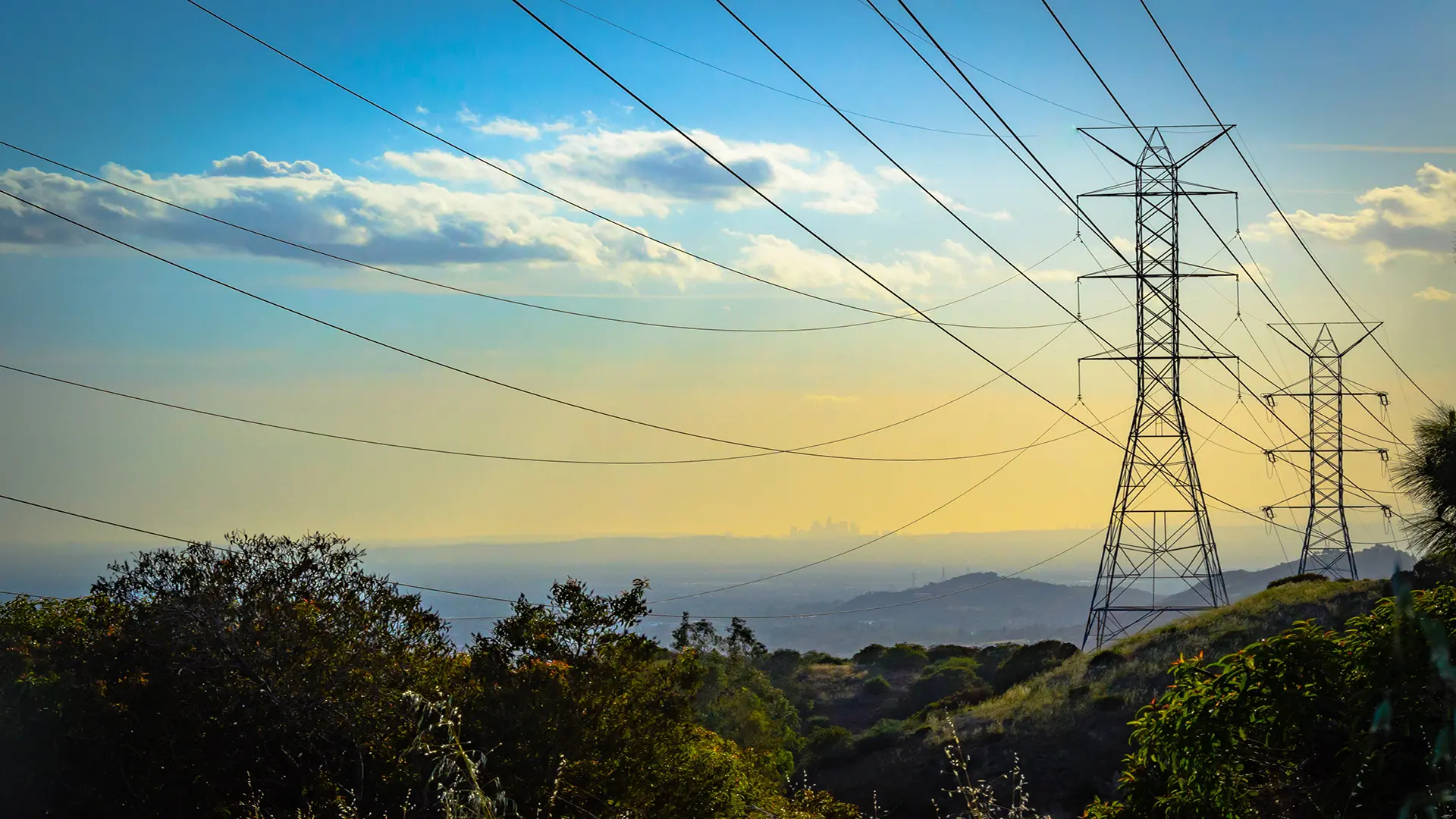
Written by Martin Lynch, European News Editor for Industrial Info (Galway, Ireland)--South Korea needs more nuclear power reactors and renewable energy in order to satisfy a rapidly growing demand for electricity, driven in part by the expanding semiconductor and artificial intelligence (AI) data center industries.
The 11th Basic Power Supply and Demand Plan, which sets out the country's domestic power generation facility plans for the next 15 years, took 19 months to negotiate and has just received final approval from the National Assembly's Power Policy Review Committee. It is calling for the construction of two new large-scale nuclear power plants, with a combined capacity of 2.8 gigawatts (GW), which is down from three plants originally proposed, and one small nuclear power facility powered by small modular reactor (SMR) technology. It expects that nuclear power generation will increase from 180.5 terawatt-hours (TWh) in 2023 to 248.3 TWh in 2038. Nuclear's share in the power mix is also expected to grow from 30.7% in 2023 to 35.2% in 2038. Today, Korea has 26 operational reactors. Until the 2022 elections, South Korea's official stance was to phase out nuclear power over a period of 40 years, but this was reversed in 2022 after a change in president.
According to the Ministry of Trade, Industry and Energy (MOTIE), the plan is calling for the "smooth construction and continued operation of the five nuclear power plants already planned." With a combined generating capacity of 7 GW, they include Saeul units 3 and 4, Shin Hanul units 3 and 4 and Shin Hanul unit 2 which was commissioned last year. The plan also calls for one SMR plant. Industrial Info is tracking three potential projects ranging from 70 megawatts (MW) to 200 MW. The draft stated: "After developing technology to ensure SMR safety, obtaining standard design approval, etc, commercialisation of domestic SMR [is expected] by 2035 on the premise of obtaining a construction permit in the early 2030s." In total Industrial Info is tracking 68 projects in South Korea's nuclear power sector worth more than US$26 billion in investment. Subscribers to Industrial Info's Global Market Intelligence (GMI) Project Database can click here for the reports.
South Korea's demand for electricity is expected to increase by an annual average of 1.8% between 2024 and 2038, to reach 129.3 GW by 2038, which represents an increase of more than 30% from 2023. Demand from the semiconductor industry alone will reach 15.4 GW by 2038 - more than 11% of all demand, while demand from data centers will hit 4.4 GW, triple what was predicted in the 10th Plan. The expansion of electric vehicles (EV) and the electrification of industry in general will account for another 11 GW.
The 11th Plan calls for a big increase in renewable energy, an area where South Korea lags behind many other nations, and which still relies almost completely on fossil-fuel imports for most of its power. In 2023, the country relied on fossil fuels - coal and gas - for 62% of its electricity, making it the G20's second-highest emitter per capita. Renewables, dominated by solar power, accounts for just over 9% of the power mix, but the government wants to hit 20% renewable electricity by 2030. The Plan wants to more than quadruple renewable energy's capacity from 49.4 TWh in 2023 to 205.7 TWh by 2038. This would increase its share in the mix from to 29.2% in 2038, up from 8.4% in 2023. Combined with more nuclear power, South Korea would get 70% of its power from carbon-free sources. In line with the shift, the country is aiming to phase out all 28 of its aging coal-fired power plants, converting many to gas-fired plants by 2036. Coal and gas plants reaching the end of their lifespans will be replaced by hydrogen and pumped-storage sources.
Industrial Info Resources (IIR) is the leading provider of industrial market intelligence. Since 1983, IIR has provided comprehensive research, news and analysis on the industrial process, manufacturing and energy related industries. IIR's Global Market Intelligence (GMI) helps companies identify and pursue trends across multiple markets with access to real, qualified and validated plant and project opportunities. Across the world, IIR is tracking over 200,000 current and future projects worth $17.8 Trillion (USD).
/news/article.jsp
false
Want More IIR News Intelligence?
Make us a Preferred Source on Google to see more of us when you search.
Add Us On GoogleAsk Us
Have a question for our staff?
Submit a question and one of our experts will be happy to assist you.

Forecasts & Analytical Solutions
Where global project and asset data meets advanced analytics for smarter market sizing and forecasting.
Explore Our SolutionsRelated Articles

PECWeb Global Market Intelligence Platform
Identify opportunities, anticipate change, and execute with confidence. PECWeb connects the industrial intelligence you need, from projects and assets to operational events, all in one platform.
Discover PecwebIndustry Intel
-
European Chemicals and Transport Fuels OutlookPodcast Episode / Jul 10, 2026
-
2026 European Petroleum Refining Project OutlookPodcast Episode / Jun 26, 2026
-
Brazil: Efficiency, Innovation, and Opportunities in the Food & Beverage IndustryPodcast Episode / Jun 12, 2026
-
2026-2027 Investment Radar for Mexico, Central America & the CaribbeanPodcast Episode / May 29, 2026
-
Innovations Shaping the Next Era of Power GenerationPodcast Episode / May 22, 2026
