Metals & Minerals
Chinese Need Iron Nerves, Steely Resolve and Cutting Edge Statistics in Ore Price Poker Game
Chinese Premier Wen Jiabao said, on his recent visit to Australia, that the price of iron ore should be dictated by market forces and added with a bit of scrutable, to-the-point diplomacy.
Released Thursday, May 11, 2006
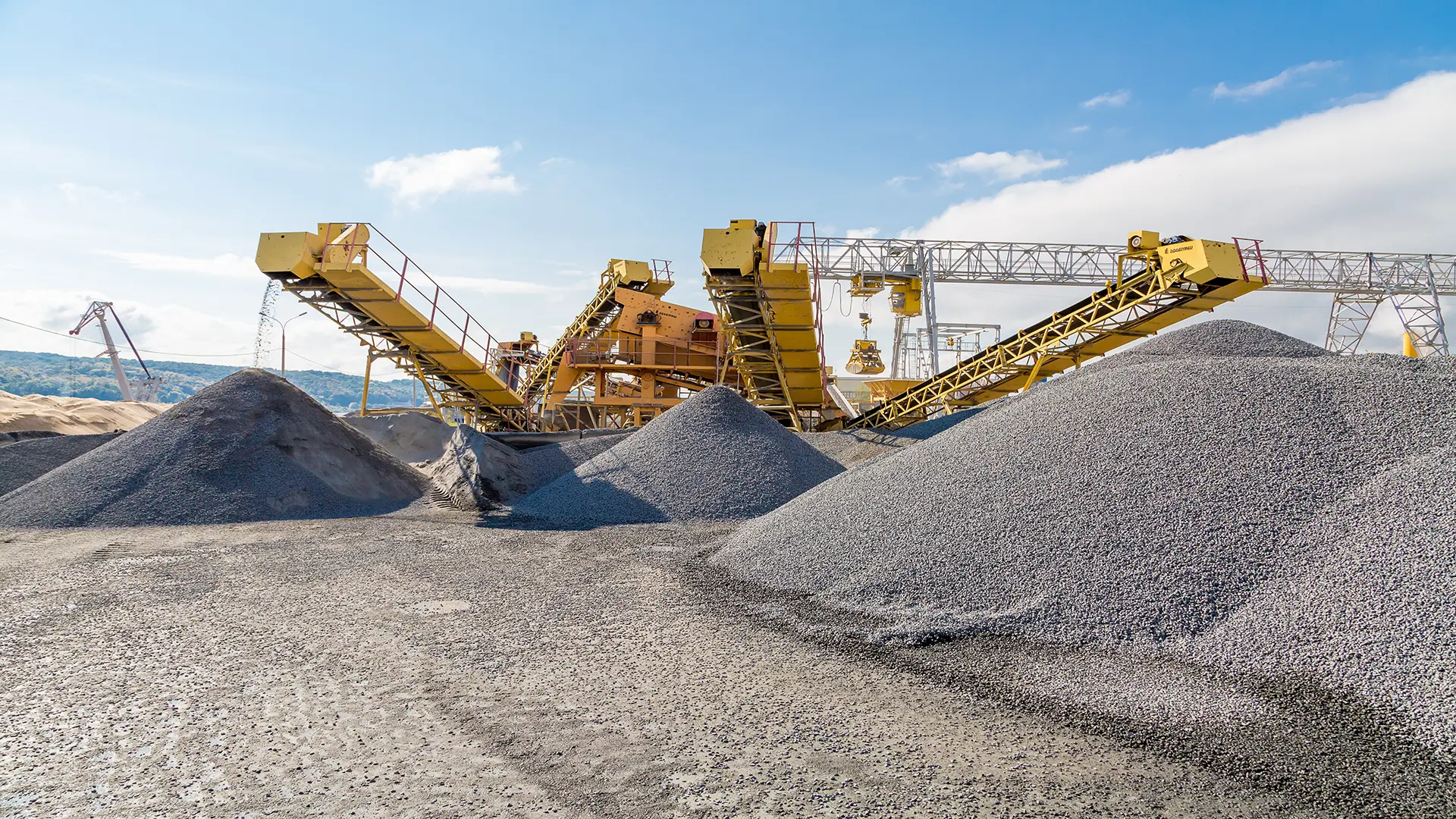
As the latest round of talks on setting iron ore prices gets underway between Chinas state-owned Shanghai Baosteel on the one side and Brazils CVRD (NYSE:RIO)(Rio de Janeiro) and the London and Australian-based Rio Tinto (NYSE:RTP) (London, UK) and BHP Billiton (NYSE:BHP) (Melbourne, Australia) on the other, the signs for demand are up, no matter what moves the Chinese plan to make to cool down the steel industrys appetite for the ore. The other two parties with a keen interest in the result of the talks, India and Japan, are staying one step back from the fray. India has been the leading seller of iron ore on the spot market and is said to be looking to sign some long-term supply contracts with China at prices competitive with those finally set by the market. Japan seems to prefer to stay out of the horse-trading after coming out with bruised relations with China after last years round. Last year, Japanese buyers headed the negotiations, which resulted in Chinese mills and iron ore traders accepting a 71.5% rise in price from the suppliers.
CVRD has stated that it is looking for a 2006 price increase for iron ore of 24%, which has elicited a reply from the China Iron and Steel Association (CISA) (Beijing) that the 24% request was not rational and could not be accepted. The CISA said that the move by CVRD was extremely inappropriate and was in violation of rules governing international iron ore negotiations. When the talks began earlier this year, the Chinese indicated that they were looking for a cut in prices after last years bonanza of a 71.5% increase, but later this position was modified and they are now trying to hold the line below a 10% increase in price. For related news item see November 30, 2005 Let the Games Begin as China Looks to Dampen Steel Production and Iron Ore Prices
Chinese Premier Wen Jiabao said, on his recent visit to Australia, that the price of iron ore should be dictated by market forces and added with a bit of scrutable, to-the-point diplomacy. The responsibility for governments is to put in place a fair, open and reasonable market system, as well as to come up with a pricing mechanism that is in accordance with international practices, he commented.
Whether the digger mates in Australia took his words to heart is less than certain as Rio Tinto said last week that the company was not worried about iron ore contract talks dragging on because the market kept on improving for miners. Rio Tinto Chairman Paul Skinner and Chief Executive Leigh Clifford, agreed that the strong demand for iron ore, the tight supply conditions and higher production costs, recent rises in steel prices and strong iron ore spot prices were factors all supporting a contract price increase. Iron ore operations in Western Australia have ridden out, and are now recovering production levels after the effects of a heavy cyclone season.
Not exactly helping the Chinese hand in the iron ore poker game, is the fact that this week the China Iron and Steel Association (CISA) was reported as saying that ore imports would rise by 10% to 301 tons this year and domestic ore output will reach 528 million tons, an increase of 48 million tons over 2005. Demand for iron ore in 2006 is estimated to rise by 45.9 million tons and production of crude steel will hit 384 million tons. In 2005, China imported 275 million tons of ore and produced 349 million tons of crude steel.
CISA said that major mines in China produced 102.9 million tons of iron ore in the first quarter of 2006, up 32.8% from 2005. In an effort to cut iron ore demand, the government is taking measures to reduce pig iron production capacity to 43 million tons in 2006, which would result in a savings of 60 million tons of ore. China is also anticipating a large increase in the availability of global supplies of iron ore plus a steady growth in domestic supplies, which will allow production cuts in obsolete iron and steel making facilities. The quality of the ore in imported stock is required in the feedstock mix of the larger modern steel mills. Local Chinese ore is generally low-grade with a usable rate of about 15%.
Some industry sources have said that China no longer stocks up incoming ore inventory on the dockside, but the CISA has warned against blind imports saying that the countrys current inventory stands at 60 million tons. Luop Bingsheng, Deputy Head of CISA, said that in 2006, imports have far exceeded the countrys demand with 80.9 million tons imported in the first quarter of the year (an average of 899,000 tons per day), a 27.7% year-on-year increase (an average of 899,000 tons per day). These imports have far exceeded the countrys demand he said. Stocks at major ports amounted to nearly 39 million tons and the 48.8 million ton increase in demand would require only 25.9 million tons from exported stock the CISA said in a report published in Chinas Economic Information Daily.
They, the iron and steel industry and the government, all spoke with many voices. Industry watchers generally agree that the rate of ore imports will go down during the year and spot and contract price should plateau to the same level.
As China judders along at pace, moving from a centrally planned economy to one driven by market forces, and at the same time tries to throw the switch, in its 11th five-year economic plan, from fixed investment growth to a more balanced growth in consumption spending, it faces near-future oversupply in steel, cement, copper, aluminum and automotive output. To temper headlong heavy industry growth and environmental damage, the emphasis will move to skill-based and hi-tech manufacturing.
Parallel with this medium-term movement, China is shifting some of its power and mining expertise and capital to foreign countries as with the current plan to invest in a $1 billion iron ore processing plant (with Indian interests) in Kalimantan, Indonesia, where large iron ore reserves are located and investments in Australian mining operations.
This increasing global industrial reach may eventually close the distance across the annual ore price-negotiating table, but not in 2006.
Industrial Info Resources (IIR) is a Marketing Information Service company that has been doing business for over 23 years. IIR is respected as the leader in providing comprehensive market intelligence pertaining to the industrial processing, heavy manufacturing, and energy-related industries throughout the world.
/news/article.jsp
false
Want More IIR News Intelligence?
Make us a Preferred Source on Google to see more of us when you search.
Add Us On GoogleAsk Us
Have a question for our staff?
Submit a question and one of our experts will be happy to assist you.

Forecasts & Analytical Solutions
Where global project and asset data meets advanced analytics for smarter market sizing and forecasting.
Explore Our SolutionsRelated Articles
-
Global Copper, Nickel Prices Could Double in 10 YearsOctober 23, 2026
-
Australia's Lithium Comeback Boosted by Pilgangoora Expansio...October 23, 2026
-
Africa's Gold Boom: Rising Prices Strengthen State Control a...October 23, 2026
-
ABB Builds Backlog with Canadian Mining, U.S. Tech WorkOctober 21, 2026

PECWeb Global Market Intelligence Platform
Identify opportunities, anticipate change, and execute with confidence. PECWeb connects the industrial intelligence you need, from projects and assets to operational events, all in one platform.
Discover PecwebIndustry Intel
-
Brazil Critical Minerals 2027: Rare Earths, Lithium, CopperPodcast Episode / Oct 16, 2026
-
US Craft Labor Outlook 2026: Wages, Per Diems, Data CentersPodcast Episode / Oct 16, 2026
-
Latin America Data Center Outlook 2026: Power, Hubs & GrowthPodcast Episode / Oct 9, 2026
-
Food and Beverage CapEx Outlook 2026: Tariffs, AI, AfricaPodcast Episode / Oct 9, 2026
-
North America Refining 2026: New Pipelines to PADD 5Podcast Episode / Oct 2, 2026