Metals & Minerals
Asia Looks Past Australia's Flood Woes for Coal Import Sources
The recent mine flooding in Queensland, Australia, has caused an increase in coal prices worldwide amid fears of short supply.
Released Monday, January 17, 2011
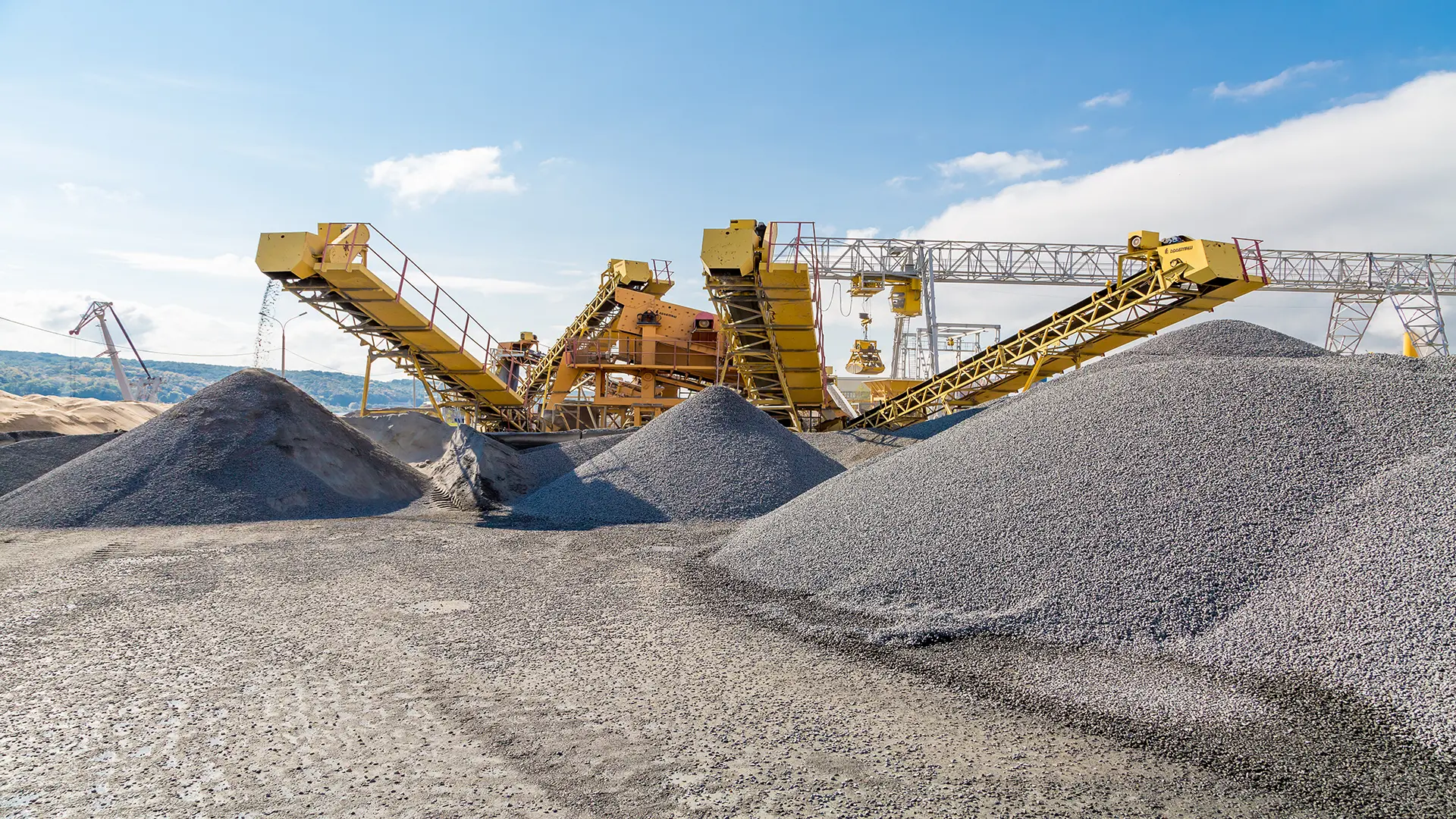
Researched by Industrial Info Resources (Sugar Land, Texas)--The recent mine flooding in Queensland, Australia, has caused an increase in coal prices worldwide amid fears of short supply. Current prices are set at $225 per ton for the first quarter of 2011 and could be more than $270 per ton in the second quarter, in turn raising the cost of steel production. BHP Billiton Limited (NYSE:BHP) (Melbourne, Australia), Peabody Energy Corporation (NYSE:BTU) (St. Louis, Missouri), Anglo American plc (PINK:AAUKY) (London, England), Rio Tinto plc (NYSE:RIO) (London), Xstrata plc (LSE:XTA) (Zug, Switzerland) and others have declared 'force majeure' in regard to coal shipments and are unsure about the extent of near-term impact.
As the world's largest exporter of coking coal used for steelmaking, and the second largest exporter of thermal coal, which is used for generating power, Australia's coal production accounts for more than half of global exports, or about $50 billion. This setback could reduce annual production by 15 million tons, while global demand could increase 6.7%. In order to fill the immediate supply gap and be better prepared should this situation repeat itself, importers are currently targeting suppliers in other parts of the world.
The United States and Canada are the two nations that could help bridge this interim coal shortfall. Ted Pile, the vice president of Alpha Natural Resources Incorporated (NYSE:ANR) (Abingdon, Virginia), told the media that the company was in a "terrific position," because orders have begun flowing in. This could possibly increase U.S. coal exports by 10% this year. Other nations that could bridge this shortfall include Mongolia, Russia, Indonesia and South Africa. Of these, Russia is unlikely to play a major role due to its own domestic demand and supply issues.
Mongolia has the potential to be a major competitor to Australia because of the volume of its untapped reserves, its nearness to China and its cost efficiency. Leighton Asia, a segment of Leighton Holdings Limited (ASX:LEI) (Sydney, Australia), is Mongolia's only international miner. With mines in Ukhaakhudag, near China, it is likely that a fully functional railway line could allow it to eventually supply coal at $100 per ton. The company is aiming to up the output at Ukhaakhudag to 15 million tons per year by January 2013, while increasing Mongolia's overall output to about 40 million tons per year in the same period. A few important factors, such as Mongolia's remote location and poor infrastructure could hinder its growth.
Indonesia's coal production is estimated to reach 340 million tons per year in 2011, an increase of 23% from 275 million tons per year in 2010. However, due to government restrictions, nearly 25% of this is set aside for domestic use in case international coal prices rise even more.
South Africa exported nearly 62 million tons of coal in 2010. This 4% increase from the previous year was largely due to demand from India and China, where the fast pace of economic development drives the power and steel sectors. Transnet (Johannesburg) a state-controlled logistics group, states that although South Africa has greater coal-export capacity, it has failed to fully capitalize on it because of logistical issues such as bottlenecks and derailment on some of its railway lines causing delays.
More recently, South Africa's state-controlled power utility Eskom (Johannesburg) has urged the state to introduce restrictions on coal exports, because it believes that local companies, Eskom included, are losing between 500 and 1,000 megawatts of power daily due to the lack of a quality coal supply. Depending on the outcome of this proposal, South Africa, like Indonesia, may have to set aside a specific quantity for domestic consumption, irrespective of global demand and price.
Many countries in Asia, especially Japan, South Korea, Taiwan and India, rely on major imports of Australian coal. This means that the current shortfall due to flooding could affect them the most. Japan and Taiwan receive about 80% of their metallurgical coal from Australia, followed by South Korea with 63% and India with 37%. China, which covers most of its domestic consumption with local production, isn't as affected and is expected to produce 3.2 billion tons of coal per year, of which 450 million tons is coking coal.
India produces only 7 million tons of coking coal per year, a number hardly sufficient to meet domestic demands to output 62 million tons of steel per year. Steel Authority of India Limited (BSE:500113) (SAIL) (New Delhi), India's largest steelmaker, imports 10.5 million tons of coal per year to produce 13 million tons of steel per year. Malay Mukherjee, chief executive of Essar Steel, said: "We do not source our coke from Australia, so we are insulated to an extent."
Nittin Johari, the chief financial officer of Bhushan Steel Limited (BSE:500055) (New Delhi) noted that the company holds two and a half month's stock in reserve and is not yet panicking. A source at government-owned Vizag Steel (Visakhapatnam, Andhra, Pradesh), which imports almost all of its coke, echoed the same sentiments. JSW Steel Limited (BSE:500228) (Mumbai) is hopeful of sourcing from suppliers in South Africa and the United States, should the situation continue to be dire in Australia.
On a related note, the price of iron ore, the basic feed for steelmaking, seems to be on the rise, at $181 to $183 per ton. India, the third-largest iron ore supplier in the world, exports about 100 million tons per year of iron ore, about half of its annual output. A recent ban on iron ore exports in the Indian state of Karnataka and the impending ban in another state have caused prices to escalate. China, the world's leading buyer of iron ore, will be forced to source from Brazil and Australia. Currently, South Africa exports more than 30 million tons per year of iron ore. Smaller producers, including Indonesia, Iran and Venezuela, are vying to get into the mix. Dhruv Goel, a managing partner at iron ore trading company Steelmint (Raipur, Chhattisgarrh), said that the ban might not take effect anytime soon, as the government's revenue from export duty is very high and likely to stay so for some time.
Industrial Info Resources (IIR) is the leading provider of global market intelligence specializing in the industrial process, heavy manufacturing and energy markets. IIR's quality-assurance philosophy, the Living Forward Reporting Principle, provides up-to-the-minute intelligence on what's happening now, while constantly keeping track of future opportunities.
/news/article.jsp
false
Want More IIR News Intelligence?
Make us a Preferred Source on Google to see more of us when you search.
Add Us On GoogleAsk Us
Have a question for our staff?
Submit a question and one of our experts will be happy to assist you.

Forecasts & Analytical Solutions
Where global project and asset data meets advanced analytics for smarter market sizing and forecasting.
Explore Our SolutionsRelated Articles
-
Glencore Eyes Growth at North American Copper, Nickel MinesAugust 21, 2026
-
Australia Steps In to Save Largest Aluminium SmelterAugust 21, 2026
-
Copper Miners Cut 2026 Guidance Following Severe Storms in C...August 21, 2026
-
In Minnesota Mining Blow, Governor Walz Bans Mine Permits in...August 19, 2026
-
Chile's Copper Growth Hinges on Faster Permitting, More Ince...August 19, 2026

PECWeb Global Market Intelligence Platform
Identify opportunities, anticipate change, and execute with confidence. PECWeb connects the industrial intelligence you need, from projects and assets to operational events, all in one platform.
Discover PecwebIndustry Intel
-
European Chemicals and Transport Fuels OutlookPodcast Episode / Jul 10, 2026
-
2026 European Petroleum Refining Project OutlookPodcast Episode / Jun 26, 2026
-
Brazil: Efficiency, Innovation, and Opportunities in the Food & Beverage IndustryPodcast Episode / Jun 12, 2026
-
2026-2027 Investment Radar for Mexico, Central America & the CaribbeanPodcast Episode / May 29, 2026
-
Innovations Shaping the Next Era of Power GenerationPodcast Episode / May 22, 2026