Power
Europe's Renewable Energy Doubles in 10 Years
The amount of renewable energy in Europe has nearly doubled in the past 10 years, but it still contributes less than 10% of Europe's energy needs.
Released Friday, April 15, 2011
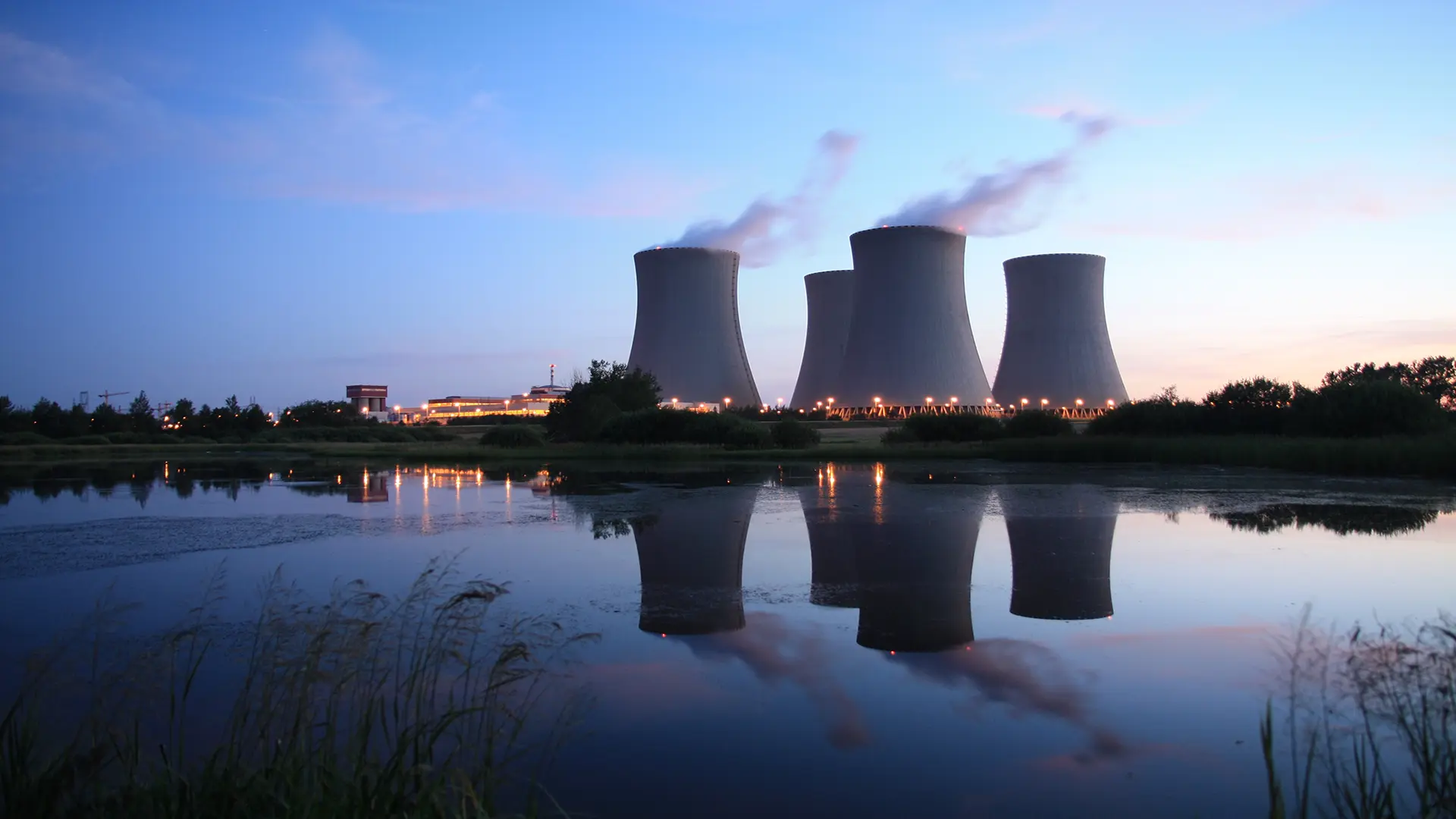
Written by Martin Lynch, European News Editor for Industrial Info (Galway, Ireland) --The amount of renewable energy in Europe has nearly doubled in the past 10 years, but it still contributes less than 10% of Europe's energy needs.
Looking at the period from 1999-2009, there has been a 4% rise in the contribution of renewables to the European energy mix. In 1999 ,renewables contributed 5% of the total but by 2009, this had risen to 9%. The European Union, which comprises 27 member states, has set itself the 2020 goal of reducing greenhouse gas emissions by 20%, reducing energy consumption by 20% through increased efficiency and generating 20% of its electricity from renewable sources.
During the same period, according to the official Eurostat figures, gas rose from 22% to 24% of the energy mix while oil remained the largest energy source in 2009, despite dropping slightly from 39% to 37%. Solid fuels fell slightly from 18% to 16% in the decade while nuclear energy remained almost stable at 14% during this period. Industrial Info is tracking 956 active renewable energy projects in Europe with a combined value of more than $300 billion. Follow them in our Renewables Tracker database.
There are high hopes that the ongoing renaissance for nuclear power in Europe would significantly boost Europe's energy security and lower its CO2 emissions but the Fukushima Daiichi nuclear disaster in Japan last month has given many European nations pause for thought. Many countries dumped nuclear power, or promised to phase it out, after the Chernobyl nuclear incident in 1986, but in recent years, a growing number of those countries had begun a return to nuclear power. Last year, Germany's ruling government pushed forward legislation to extend the lives of the country's nuclear power plants for up to 14 years, overturning a previous government decision to phase out nuclear power. For additional information, see November 2, 2010, article - German Parliament Backs Extending Lives of Nuclear Power Plants. Also in 2010, Sweden's government overturned a 30-year ban on nuclear power, while the U.K. approved eight locations for the largest planned nuclear new-build programme in Europe.
The Japanese incident, however, has resulted in countries like Germany, the U.K., Switzerland and Italy among others, temporarily freezing their planned new-build programmes and, in the case of Germany, closing older nuclear plants for emergency stress testing. For related information, see March 28, 2011, article - German Nuclear Plants Begin Shutdowns.
The countries using the most renewable energy in 2009 were Latvia (36%), Sweden (34%), Austria (27%) and Finland (23%). Eurostat found that the largest increases in the share of renewable energy--wind, hydro, biomass, geothermal and solar energy--were noted in Denmark, Sweden, Germany and Portugal. For instance, between 1999-2009, Denmark's renewables grew to 17% of the total gross, up from 8% in 2009, while Germany went from 2% to 8%.
With regard to other fuels, oil accounted for more than half of the energy supply in Malta (100% of total gross inland energy consumption), followed by Cyprus (96%), Luxembourg (63%), Greece (55%), Ireland (52%) and Portugal (50%). The highest shares of gas usage were in the Netherlands (43%), Italy and the U.K. (both 38%) and Hungary (36%). The largest proportions for solid fuels were registered in Estonia (58%), Poland (54%), the Czech Republic (41%) and Bulgaria (36%). For nuclear energy, the largest users were France (40%), Lithuania (34%) and Sweden (29%).
Industrial Info Resources (IIR) is the leading provider of global market intelligence specializing in the industrial process, heavy manufacturing and energy markets. IIR's quality-assurance philosophy, the Living Forward Reporting Principle, provides up-to-the-minute intelligence on what's happening now, while constantly keeping track of future opportunities.
/news/article.jsp
false
Want More IIR News Intelligence?
Make us a Preferred Source on Google to see more of us when you search.
Add Us On GoogleAsk Us
Have a question for our staff?
Submit a question and one of our experts will be happy to assist you.

Forecasts & Analytical Solutions
Where global project and asset data meets advanced analytics for smarter market sizing and forecasting.
Explore Our SolutionsRelated Articles
-
Data Centers Push Vistra to Grow U.S. Nuclear, Natural Gas F...August 25, 2026
-
Typhoon Saudel Threatens Okinawa, Eastern ChinaAugust 25, 2026
-
DOE Seeking Loan Applicants for U.S. Energy Projects Favored...August 25, 2026

PECWeb Global Market Intelligence Platform
Identify opportunities, anticipate change, and execute with confidence. PECWeb connects the industrial intelligence you need, from projects and assets to operational events, all in one platform.
Discover PecwebIndustry Intel
-
European Chemicals and Transport Fuels OutlookPodcast Episode / Jul 10, 2026
-
2026 European Petroleum Refining Project OutlookPodcast Episode / Jun 26, 2026
-
Brazil: Efficiency, Innovation, and Opportunities in the Food & Beverage IndustryPodcast Episode / Jun 12, 2026
-
2026-2027 Investment Radar for Mexico, Central America & the CaribbeanPodcast Episode / May 29, 2026
-
Innovations Shaping the Next Era of Power GenerationPodcast Episode / May 22, 2026