Power
Fuelcell Energy Leads Hydrogen/Fossil Fuel Hybrid Power Project
Many of the power units under development are in the tens of kilowatts, or very low megawatt ranges, which make them suitable for stand alone situations or for series combination to specified power outputs. In broad terms, many of these fit into the hydrogen/hybrid category
Released Monday, May 05, 2003
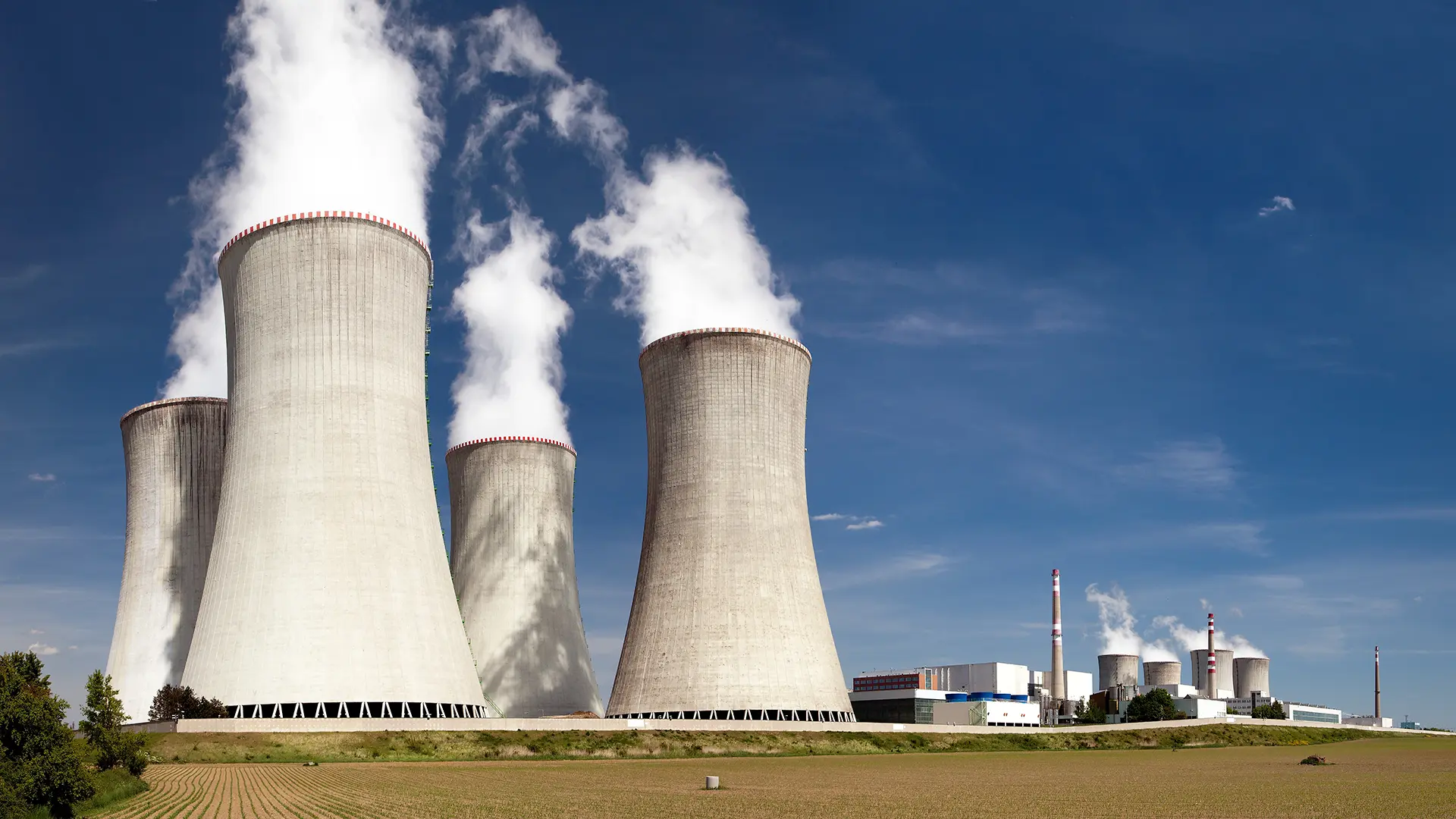
Researched by Industrialinfo.com (Industrial Information Resources, Incorporated; Houston, Texas). The development of clean and renewable power generating technologies that can be integrated into low emission building design and commercial or industrial projects continues to gather pace at government and 'new' energy company levels. Many of the power units under development are in the tens of kilowatts, or very low megawatt ranges, which make them suitable for stand alone situations or for series combination to specified power outputs. In broad terms, many of these fit into the hydrogen/hybrid category.
In this sector of activity, FuelCell Energy Incorporated (NASDAQ;FCEL) (Danbury, Connecticut) has been selected by the Department of Energy (DOE) as a new project participant for its solid state energy conversion alliance (SECAS) program, subject to final agreement. The goal of the SECA program is to accelerate the commercialization of low-cost solid oxide fuel cells as quickly as possible over the next decade and to create a solid oxide fuel cell that can be used and mass-produced in modular form. This is a key element in DOE's commitment to developing clean, efficient, reliable, and affordable power generation for all possible markets.
FuelCell Energy will share the costs of the $139 million development program with DOE for SDOFC modules in the 3kW to 10 kW size range that can be fitted together for heat and power products for applications up to 100 kW. These products will target remote sites, telecommunications, commercial, and residential buildings, back-up, mobile stand-by, and auxiliary power units.
A team including Versa Power Systems, Materials (VPS) and Systems Research Incorporated (MSRI), University of Utah (UU), Gas Technology Institute (GTI), Electric Power Research Institute (EPRI), Dana Corporation (Dana), and Pacific Northwest National Laboratory (PNNL) will be led by FuelCell Energy using its expertise in its high temperature Direct FuelCell carbonate technology, systems development and manufacturing and commercialization experience.
The company will coordinate and contribute to fuel cell manufacturing, assembly, stacking, sealing, internal reforming and advanced cooling to boost electrical efficiency and product packing. The cell technology will be based on UU anode-supported SOFC design. The stack technology will draw on advances made by MSRI complemented by thermal integration for efficient cooling by GTI. Modeling expertise will be provided by PNNL.
Seal design innovations will be based on Dana's experience in the automotive industry and FuelCell's experience in carbonate cells. The worldwide energy industry relationships of GTI and ERPI will be used in the commercialization of this technology.
Current ceramic fuel cells operate at a temperature in excess of 1,000 degrees C (1,800 F plus). By bringing the temperature down to 700 C, the team will make possible the use of lower cost metal alloys, reduce insulation, strengthen seals, and make other improvements to reduce costs. This will allow Fuel Cell to transfer many of the innovations it developed for its commercial line of molten carbonate fuel cells to its solid oxide design.
The first $24 million phase of the ten year program will develop stationary modules in the 3-10 kW range and scalable systems for applications up to 100 kW operating on natural gas with target efficiencies of 45 percent. Phases two and three will focus on enhancing system efficiencies to 50/55 percent, as well as operating on additional fuels such as propane and diesel. The development of hybrid power plants combining fuel cells with turbines and stirling engines will also be evaluated in the latter phases. Advancement to the latter stages is dependant on the success achieved in phase one and subsequent congressional appropriations.
Want More IIR News Intelligence?
Make us a Preferred Source on Google to see more of us when you search.
Add Us On GoogleAsk Us
Have a question for our staff?
Submit a question and one of our experts will be happy to assist you.

Forecasts & Analytical Solutions
Where global project and asset data meets advanced analytics for smarter market sizing and forecasting.
Explore Our SolutionsRelated Articles
-
Data Centers Push Vistra to Grow U.S. Nuclear, Natural Gas F...August 25, 2026
-
Typhoon Saudel Threatens Okinawa, Eastern ChinaAugust 25, 2026
-
DOE Seeking Loan Applicants for U.S. Energy Projects Favored...August 25, 2026

PECWeb Global Market Intelligence Platform
Identify opportunities, anticipate change, and execute with confidence. PECWeb connects the industrial intelligence you need, from projects and assets to operational events, all in one platform.
Discover PecwebIndustry Intel
-
European Chemicals and Transport Fuels OutlookPodcast Episode / Jul 10, 2026
-
2026 European Petroleum Refining Project OutlookPodcast Episode / Jun 26, 2026
-
Brazil: Efficiency, Innovation, and Opportunities in the Food & Beverage IndustryPodcast Episode / Jun 12, 2026
-
2026-2027 Investment Radar for Mexico, Central America & the CaribbeanPodcast Episode / May 29, 2026
-
Innovations Shaping the Next Era of Power GenerationPodcast Episode / May 22, 2026