Power
Libya, South Korea to Renew Industrial Ties
On October 5, Hyundai Engineering and Construction Company Limited received an order from General Electric Company of Libya to construct a new power plant on the Mediterranean coast.
Released Wednesday, November 17, 2010
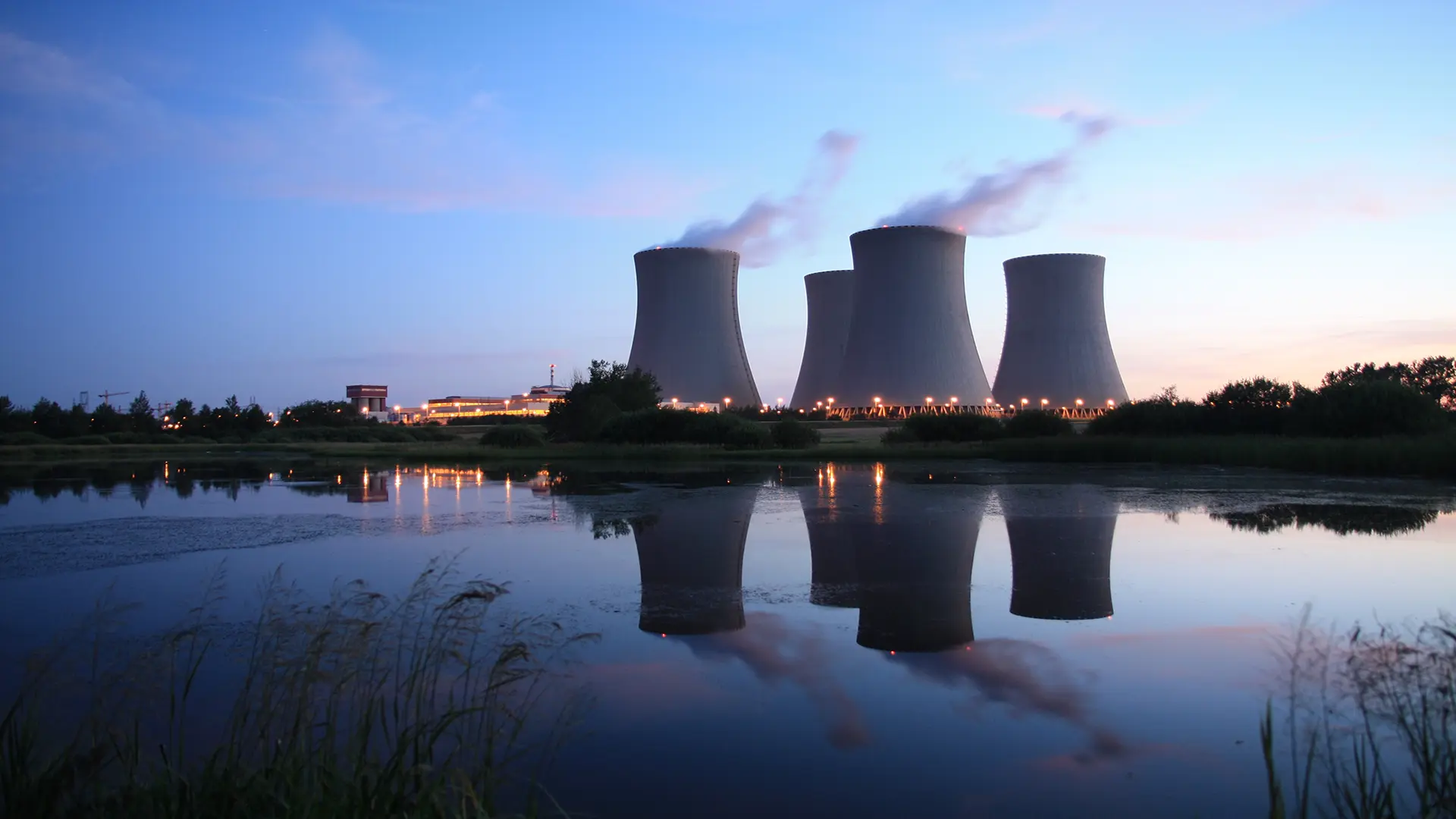
Researched by Industrial Info Resources (Sugar Land, Texas)--On October 5, Hyundai Engineering and Construction Company Limited (KRX:000720) (HDEC) (Seoul, South Korea) received an order from General Electric Company of Libya (GECOL) (Tripoli, Libya) to construct a new power plant on the Mediterranean coast. This is the first contract to be performed since diplomatic ties between Libya and South Korea became strained earlier in the year. The two countries have had close economic relations since the early 1980s, but these relations faltered under accusations of South Korean espionage. The GECOL order came through days after the two governments settled the dispute, though GECOL requested that HDEC not make the announcement until November 9. South Korea has made monumental headway in the Middle East, becoming both the first Asian country to enter the Middle Eastern market and the first country to build nuclear power stations in the region.
The contract involves the construction of a power plant, which is planned to provide electricity to the regional grid through the utilization of natural gas and heavy- and light-oil fuels. While full-tilt construction of the $1.6 billion plant is not expected to commence until late next year, HDEC is planning to go ahead with some preliminary work beginning this December. Commissioning is anticipated for sometime during 2014.
Electricity generation methods in Libya are evolving in the favor of the petroleum industry. Most power plants in the North African country are fired by domestically produced oil. Production of oil has increased gradually since the United States lifted all sanctions against Libya in 2004. Oil production has reached a steady 1.8 million barrels per day; however, with at least 44 billion barrels worth in proven reserves, Libya is determined to raise production to 3 million barrels per day by 2013. As oil production rises, less and less will be utilized by the electric power sector. In terms of power generations versus cost, oil-fired plants are expensive, while natural gas is cheaper and burns cleaner. As it stands now, Libya possesses 54 trillion cubic feet in proven natural gas reserves. The oil industry accounts for the majority of Libya's export revenue and, as more oil is diverted from the electric power sector to exportation, power plants are beginning to evolve, and the increased utilization of natural gas will free up more oil for export.
The same year sanctions were lifted, Libya was crippled by a series of major blackouts because GECOL could not keep up with the power demand. Since then, Libya has been determined to stay ahead of the 8%-per-year growth rate, seeking to have eight gigawatts of installed capacity by 2020. The new natural gas-oil, co-fired plant is on the table to generate 1,400 megawatts.
View Project Report - 300021326
Industrial Info Resources (IIR) is the leading provider of global market intelligence specializing in the industrial process, heavy manufacturing and energy markets. IIR's quality-assurance philosophy, the Living Forward Reporting Principle, provides up-to-the-minute intelligence on what's happening now, while constantly keeping track of future opportunities.
/news/article.jsp
false
Want More IIR News Intelligence?
Make us a Preferred Source on Google to see more of us when you search.
Add Us On GoogleAsk Us
Have a question for our staff?
Submit a question and one of our experts will be happy to assist you.

Forecasts & Analytical Solutions
Where global project and asset data meets advanced analytics for smarter market sizing and forecasting.
Explore Our SolutionsRelated Articles
-
Turkey Announces New Wind and Solar DriveJuly 24, 2026
-
Nuclear Resurgence Spurs Permitting, Supply Chain IssuesJuly 24, 2026

PECWeb Global Market Intelligence Platform
Identify opportunities, anticipate change, and execute with confidence. PECWeb connects the industrial intelligence you need, from projects and assets to operational events, all in one platform.
Discover PecwebIndustry Intel
-
European Chemicals and Transport Fuels OutlookPodcast Episode / Jul 10, 2026
-
2026 European Petroleum Refining Project OutlookPodcast Episode / Jun 26, 2026
-
Brazil: Efficiency, Innovation, and Opportunities in the Food & Beverage IndustryPodcast Episode / Jun 12, 2026
-
2026-2027 Investment Radar for Mexico, Central America & the CaribbeanPodcast Episode / May 29, 2026
-
Innovations Shaping the Next Era of Power GenerationPodcast Episode / May 22, 2026
