Power
Linked Coal and Power Crisis in China Heralds Major Nuclear Plant Projects
In 2005, coal consumption is expected to rise by 120 million tons, an increase of 6%.
Released Monday, March 14, 2005
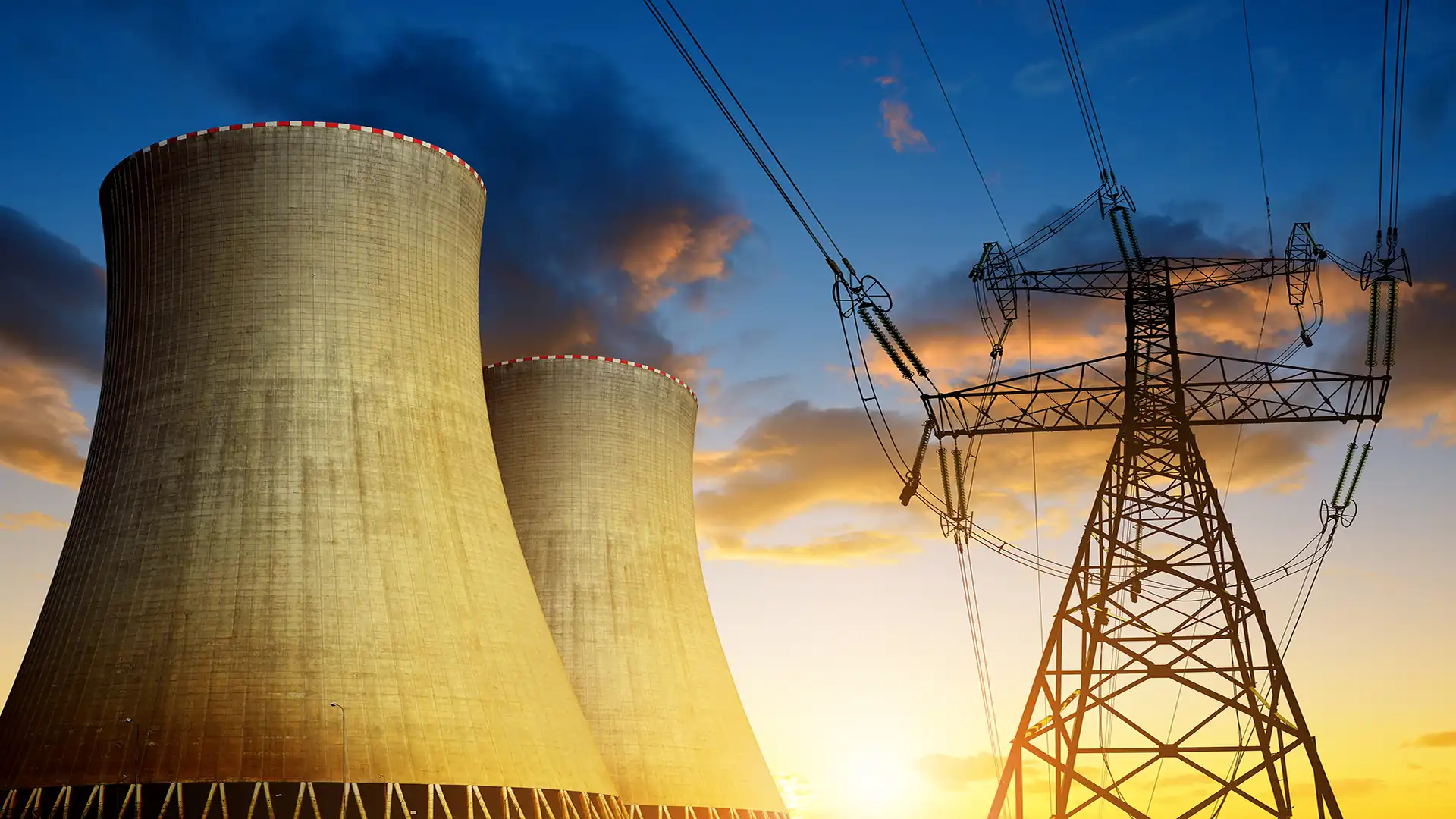
Researched by Indistrialinfo.com (Industrial Information Resources, Incorporated; Houston, Texas). While China's voracious appetite for basic resources has lit up the annual reports of international suppliers, the country's severe and chronic coal shortage is in danger of creating dire socio-political consequences in the country and distorting the structure of international markets in the product. Despite government directives to shift into higher gear for the construction of nuclear power plants and the commissioning of mega non-thermal schemes, such as the Three Gorges hydropower project, coal is still the mainstay of the energy hungry country, which has to supply industry and the rising lifestyle expectations of a massive population. Blackouts, brownouts, and staggered production schedules and shutdowns have management and workers living on the edge.
In 2004, Chinese coal mines produced 1.96 billion tons of coal, which represented a year on year rise of 13.2%. In 2005, coal consumption is expected to rise by 120 million tons, an increase of 6%. Pu Honggjiu, deputy director of the China Coal Industry Association, says that demand will continue to outpace supply with 100 million tons as the top target for increased output with the opening of new mines. But Pu indicated that this targeted increase might not be realized.
Small mines, accounting for 35% of coal production in 2004, have falling output and safety levels and when some of these are shut down, because of lack of necessary safety controls, another 200 millions tons of output may be lost.
Electricity consumption is maintaining a 15% growth rate driven by the steel, cement, aluminum, and automotive industries. The National Development and Reform Commission has announced the launch of new power projects with a total output of 65,000 MW and a similar amount of power would come online in 2005 from projects already underway, the NDRC chairman Mai Kai, said in early March.
The installed capacity in 2004 rose from 384,500 MW to 440,000 MW, and most of the additional power was created in the eastern, central, northern and southern regions with little being added in the northeast and northwest. Good headway has been made in construction of the power grid, with the project to transmit 10,000 MW from the western grid to south Chinas booming Guangdong province completed fifteen months ahead of schedule.
Ma said that the extra supplies might not be enough, if the nation continued to use electricity inefficiently and supported ill-considered investments. "I think that power shortages will just continue and the rapid economic growth will not able to be sustained," he said.
Ma denied that China's hunger for energy was impacting international markets by forcing up oil prices and said that the country was having only a very limited impact on the oil trade, with coal remaining its key energy source, and Chinas relying basically on its domestic supply.
The China Daily reports an industry analyst Zhang Wenxiam, Guotai Jun'an Securities Hong Kong, as saying that the coal shortage will be eased this year with the operation of additional rail routes.
In 2004, 65% of all rail transportation requests had to be turned down in the hyperactive economy, and rail transport is the preferred method of transporting coal from the mines in the north of the country to the industrial centers in the east and south.
Set against the background of the coal and thermal energy crisis, the long march of new nuclear projects continues. In late February 2005, the China Electric Power Investment Corporation announced plans to invest $4.8 billion to build the first nuclear power station in Jilin province. The plant will have a capacity of 4,000 MW. No completion date has been announced but Jingyu has been selected as the site for the project.
Eastern Shandong province has plans to have three large nuclear power stations built and operating by 2010, at a cost of between $4.8 billion and $9.6 billion each. The Haiyang unit will build in the coastal city of Yantai, and the Rushan and Rongcheng stations will be built in nearby Weihai.
These new projects are in addition to the recently reported tender process for four 1,000 MW nuclear plants in southern Guangdong and eastern Zhejiang. For related news item see February 25, 2005 - $5 Billion Ex-Im Bank Backing for Westinghouse in Bidding for Four Chinese Nuclear Power Plants
View Project Report - 88000225 88000331 88000773 88000801 88000854 88000867
Industrialinfo.com is the leading provider of global industrial market research. We specialize in helping companies develop information solutions to maximize their sales and marketing efforts.
/news/article.jsp
false
Want More IIR News Intelligence?
Make us a Preferred Source on Google to see more of us when you search.
Add Us On GoogleAsk Us
Have a question for our staff?
Submit a question and one of our experts will be happy to assist you.

Forecasts & Analytical Solutions
Where global project and asset data meets advanced analytics for smarter market sizing and forecasting.
Explore Our SolutionsRelated Articles
-
NextEra Eyes Strong Backlog, Data Center Hub StrategyOctober 23, 2026
-
Winter 2026-27 Outlook: Strong El Niño Expected to Shape Nor...October 23, 2026
-
U.S. Remains Key to Iberdrola's Power Sector BuildoutOctober 22, 2026

PECWeb Global Market Intelligence Platform
Identify opportunities, anticipate change, and execute with confidence. PECWeb connects the industrial intelligence you need, from projects and assets to operational events, all in one platform.
Discover PecwebIndustry Intel
-
Brazil Critical Minerals 2027: Rare Earths, Lithium, CopperPodcast Episode / Oct 16, 2026
-
US Craft Labor Outlook 2026: Wages, Per Diems, Data CentersPodcast Episode / Oct 16, 2026
-
Latin America Data Center Outlook 2026: Power, Hubs & GrowthPodcast Episode / Oct 9, 2026
-
Food and Beverage CapEx Outlook 2026: Tariffs, AI, AfricaPodcast Episode / Oct 9, 2026
-
North America Refining 2026: New Pipelines to PADD 5Podcast Episode / Oct 2, 2026