Power
Malaysia Pegs $88 Billion for 20 Year South East Asia Power Investment
Vietnam and Indonesia both have projects totaling over 6,000 MW each in the planning stage followed by Malaysia with an estimated 3,000 MW to come from plants to be constructed.
Released Friday, November 01, 2002
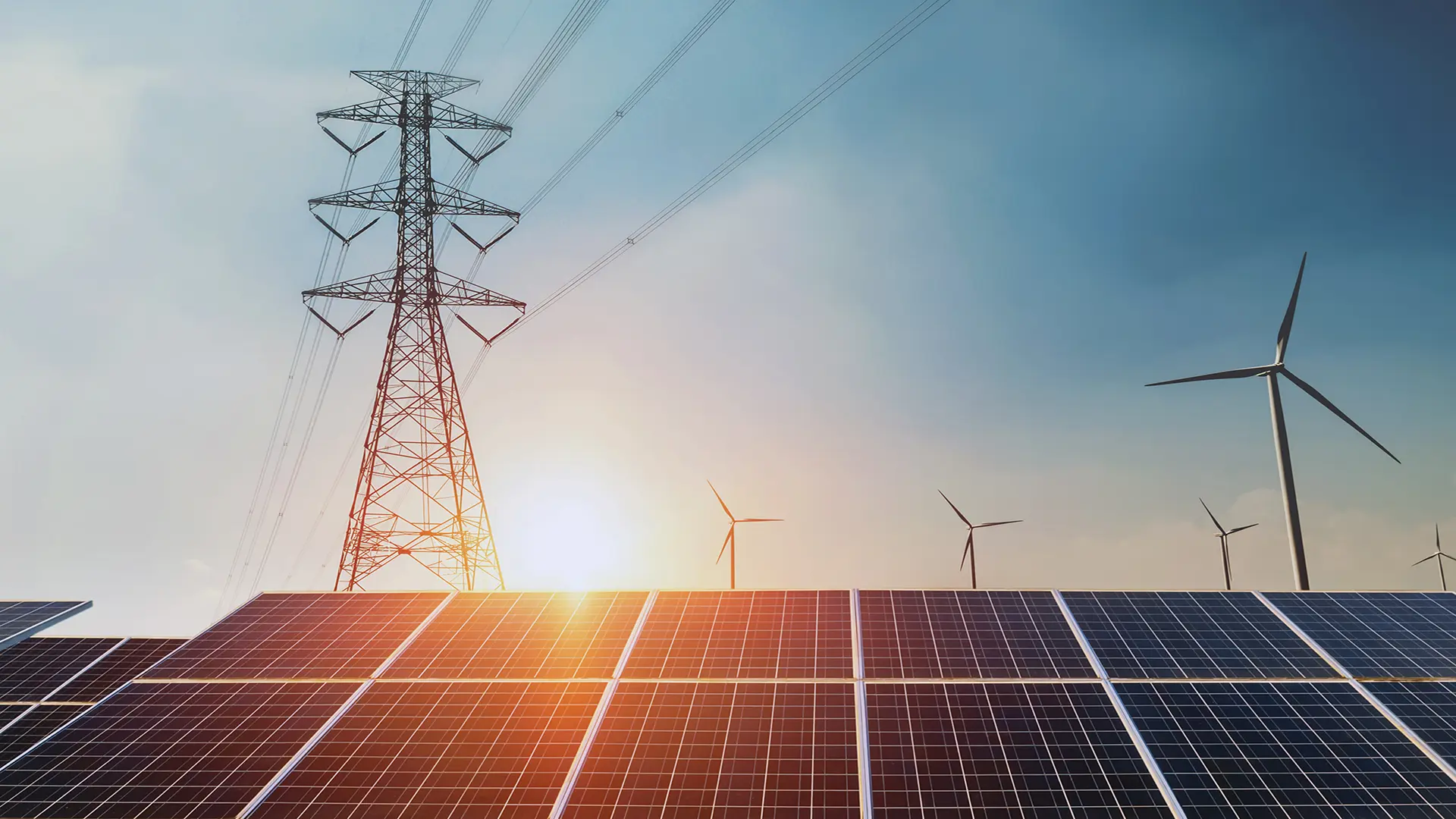
Researched by Industrialinfo.com (Industrial Information Resources Incorporated; Houston, Texas). Industry estimates indicate that there are currently around 100 new electrical power generation projects at the planning stage in Southeast Asia. Out of the total, around 40 projects in Indonesia, Malaysia, the Philippines, Thailand and Vietnam alone account for a potential power output of nearly 18,000 MW. The range of power ratings for these plants go from local community 50 MW generating facilities, to major 750 MW upgrades, to major gas and thermal facilities up to 2,100 MW. Power generation technologies to be used cover, coal, oil, geothermal, hydroelectric, biomass, and natural gas. Nuclear power does not currently feature among the new projects in the above countries.
Vietnam and Indonesia both have projects totaling over 6,000 MW each in the planning stage followed by Malaysia with an estimated 3,000 MW to come from plants to be constructed.
At an energy conference in Bangkok, Thailand, in October, the head of Malaysia's energy center claimed that $88 billion would be invested in power generation projects in southeast Asia over the next 20 years. He said that energy demand in the region would grow on average by 4.8% per annum in the period 1999 to 2010 which is up from 4% in the 1990 to 1999 period. Observers say that this estimate is higher than the projected energy growth for the Asia-Pacific region as a whole, which is estimated at 3.7%. The Malaysian estimate is considered to be optimistic as many projects have been slowed or failed to get off the ground due to financing problems in the region.
After suffering some delays in the Asian economic crisis, Manjung, the largest coal-fired power station in Malaysia will be commissioned in 2003. Built off the coast of Perek on an island site, the plant will generate 2,100 MW from three 700 MW units.
It was estimated at the beginning of the engineering stage of the Manjung project that power demand would rise in Malaysia by 10% per annum in the period 2000 to 2005. Demand is expected to reach 10,745 MW by the end of this year and 12,585MW by the end of 2005. To reach a targeted 30% reserve margin capacity should reach 14,165 MW by the end of 2002 and 16,505 MW by the end of 2005. These targets call for the building of new generating capacity. With Manjung being given preference by the government and coming online next year and another 2,100 MW plant in development, plus other smaller plants on the way the 2005 target is possible, if no more unpredictable delays are encountered. Another key factor in Malaysia's energy plan is the ability to maintain a steady increase in demand for electricity. Consumption has come back well after taking a 50% knock following the end of the century financial brownout in southeast Asia.
The cost of the Manjung plant, 260 kilometers northwest of Kuala Lumpur, increased from $1.3 billion to $1.8 billion in the regional exchange rate dive. ABB Alstom Power (NYSE:ABB) (Zurich, Switzerland) (PARIS:ALSO) (PARIS, FRANCE) is building the plant in a joint venture with a local company Peremba Construction, with Leighton Asia (Hong Kong) responsible for the civil works. ABB Alstom Power is supplying boilers, steam turbines, and generators. Bachy Soletanche Malaysia (Kuala Lumpur) designed an alternative construction for the pump house as the design was complicated by the geology of the site making the original design too costly.
In addition to the generating plant a deepwater jetty is being constructed to receive the six million tons a year of coal to fuel the plant. Bauer Malaysia (Kuala Lumpur) was sub-contracted to carry out the foundation work, installing 3,300 bored piles to an average depth of 58 meters and completing 191 kilometers of drilling. 262 kilometers of stone columns were also built to depths of up to 20 meters. The nature of the reclaimed ground forming the island, comprising of an 8 meter deep layer of loose sand on about 27 meters of marine clay, necessitated a two-pronged approach to the operation.
Firstly, a temporary casing was installed through the upper loose layer to provide support. Then deeper layers were bored through using Bauer's heavy duty drilling rigs. The walls were stabilized with bentonite slurry. The bentonite was then de-sanded before the pile was finally concreted.
Putting solid foundations for the plant down through shaky ground should provide some basis for the fortitude the Malaysians may need with their plans in a volatile energy market.
(Note: ABB at the end of October said that it would sell off its oil, gas and petroleum divisions to survive claims from asbestos suits against it. Halliburton and Bechtel were said to be in the ring for a $1.5 billion purchase of the ABB interests, which had sales of $3.5 billion in the last year. ABB with a global payroll of 150,000 staff is in the process of shedding a total of over 20,000 staff including the potential job losses in the sell-off)
/news/article.jsp
false
Want More IIR News Intelligence?
Make us a Preferred Source on Google to see more of us when you search.
Add Us On GoogleAsk Us
Have a question for our staff?
Submit a question and one of our experts will be happy to assist you.

Forecasts & Analytical Solutions
Where global project and asset data meets advanced analytics for smarter market sizing and forecasting.
Explore Our SolutionsRelated Articles

PECWeb Global Market Intelligence Platform
Identify opportunities, anticipate change, and execute with confidence. PECWeb connects the industrial intelligence you need, from projects and assets to operational events, all in one platform.
Discover PecwebIndustry Intel
-
2026 European Petroleum Refining Project OutlookPodcast Episode / Jun 26, 2026
-
Brazil: Efficiency, Innovation, and Opportunities in the Food & Beverage IndustryPodcast Episode / Jun 12, 2026
-
2026-2027 Investment Radar for Mexico, Central America & the CaribbeanPodcast Episode / May 29, 2026
-
Innovations Shaping the Next Era of Power GenerationPodcast Episode / May 22, 2026
-
The Role of Contract Manufacturing in Global Pharma GrowthPodcast Episode / May 8, 2026