Power
Selective Catalytic Reduction Retrofit Planned at Miami Fort
SCR technology is a highly effective method of NOx control; it involves the injection of ammonia (NH3) into the flue gas that passes through layers of catalyst in a reactor.
Released Thursday, December 19, 2002
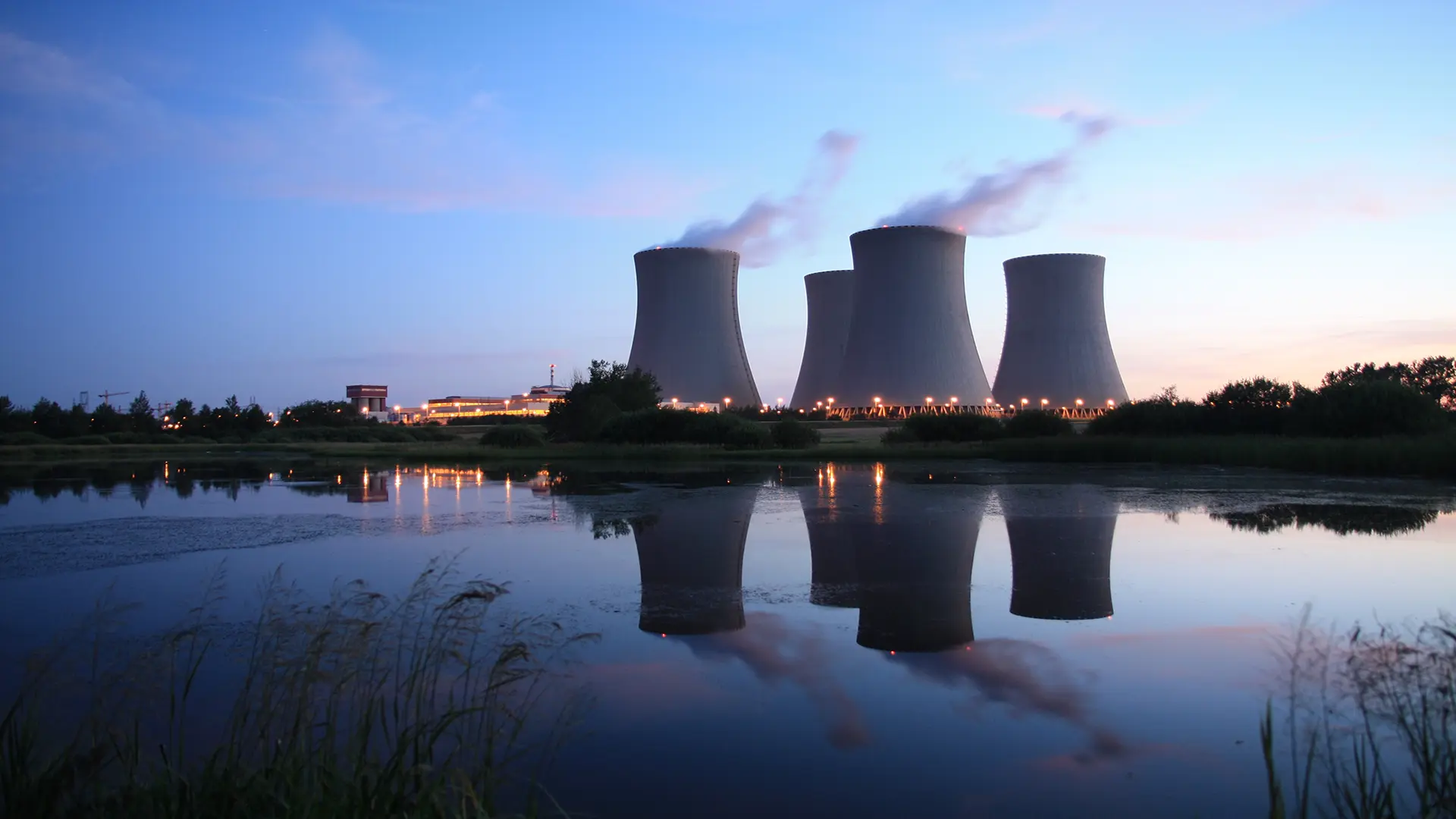
Researched by Industrialinfo.com (Industrial Information Resources Incorporated; Houston, Texas). Cinergy Corporation is preparing to retrofit a 512 megawatt (MW) coal opposed-fired dry bottom boiler at the Miami Fort Power Station with Selective Catalytic Reduction (SCR) technology in the spring of 2003. The utility is located in North Bend, Ohio, on the Ohio River 19 miles downstream from Cincinnati, with a total capacity of 1,439 megawatt, consist of four coal-fired and four oil-fired combustion turbine units.
SCR technology is a highly effective method of NOx control; it involves the injection of ammonia (NH3) into the flue gas that passes through layers of catalyst in a reactor. The catalysts can have different compositions; most catalysts used at coal-fired plants consist of vanadium (active catalyst) and titanium mixture. The ammonia and NOx react on the surface of the catalyst, forming molecular nitrogen (N2) and water (denitrification). There are three layout arrangements of SCR systems. The High Dust position is the most widely used configuration, especially with dry bottom boilers, because it does not required particulate emissions control prior to the denitrification process. Low Dust position has the advantage of less catalyst degradation caused by fly ash erosion. Tail End position is used mainly with wet bottom boilers and includes ash recirculation to avoid catalyst degradation.
Selective Catalytic Reduction has advantages that include: capability of achieving as much as eighty percent NOx removal, it is applicable to all types of boilers, no chemical by-products are produced (only nitrogen and water are formed), and no significant re-engineering of the boiler heat exchange cycle is required. The estimated cost for this project is about $6 million, but actual investment and operating costs also depend on other factors such as fuel type, unit size, percent removal required, costs for chemicals (NH3 or absorbing solutions) and catalyst. SCR technology has been used commercially in Japan and Germany since the 1980's.
The Miami Fort Power Station is owned and operated by Cinergy Corporation (Cincinnati, Ohio), the largest non-nuclear electric supplier, also one of the leading diversified energy company in the U.S.
/news/article.jsp
false
Want More IIR News Intelligence?
Make us a Preferred Source on Google to see more of us when you search.
Add Us On GoogleAsk Us
Have a question for our staff?
Submit a question and one of our experts will be happy to assist you.

Forecasts & Analytical Solutions
Where global project and asset data meets advanced analytics for smarter market sizing and forecasting.
Explore Our SolutionsRelated Articles
-
Data Centers Push Vistra to Grow U.S. Nuclear, Natural Gas F...August 25, 2026
-
Typhoon Saudel Threatens Okinawa, Eastern ChinaAugust 25, 2026
-
DOE Seeking Loan Applicants for U.S. Energy Projects Favored...August 25, 2026
-
Spain Extends Life of Largest Nuclear Power PlantAugust 25, 2026

PECWeb Global Market Intelligence Platform
Identify opportunities, anticipate change, and execute with confidence. PECWeb connects the industrial intelligence you need, from projects and assets to operational events, all in one platform.
Discover PecwebIndustry Intel
-
European Chemicals and Transport Fuels OutlookPodcast Episode / Jul 10, 2026
-
2026 European Petroleum Refining Project OutlookPodcast Episode / Jun 26, 2026
-
Brazil: Efficiency, Innovation, and Opportunities in the Food & Beverage IndustryPodcast Episode / Jun 12, 2026
-
2026-2027 Investment Radar for Mexico, Central America & the CaribbeanPodcast Episode / May 29, 2026
-
Innovations Shaping the Next Era of Power GenerationPodcast Episode / May 22, 2026
