Power
UN Approves India's 400 Million Incandescent Bulb Replacement Project
India has secured the world's largest carbon dioxide emission-reduction project to replace 400 million incandescent bulbs with energy-saving compact fluorescent lamps in a year. ...
Released Wednesday, May 05, 2010
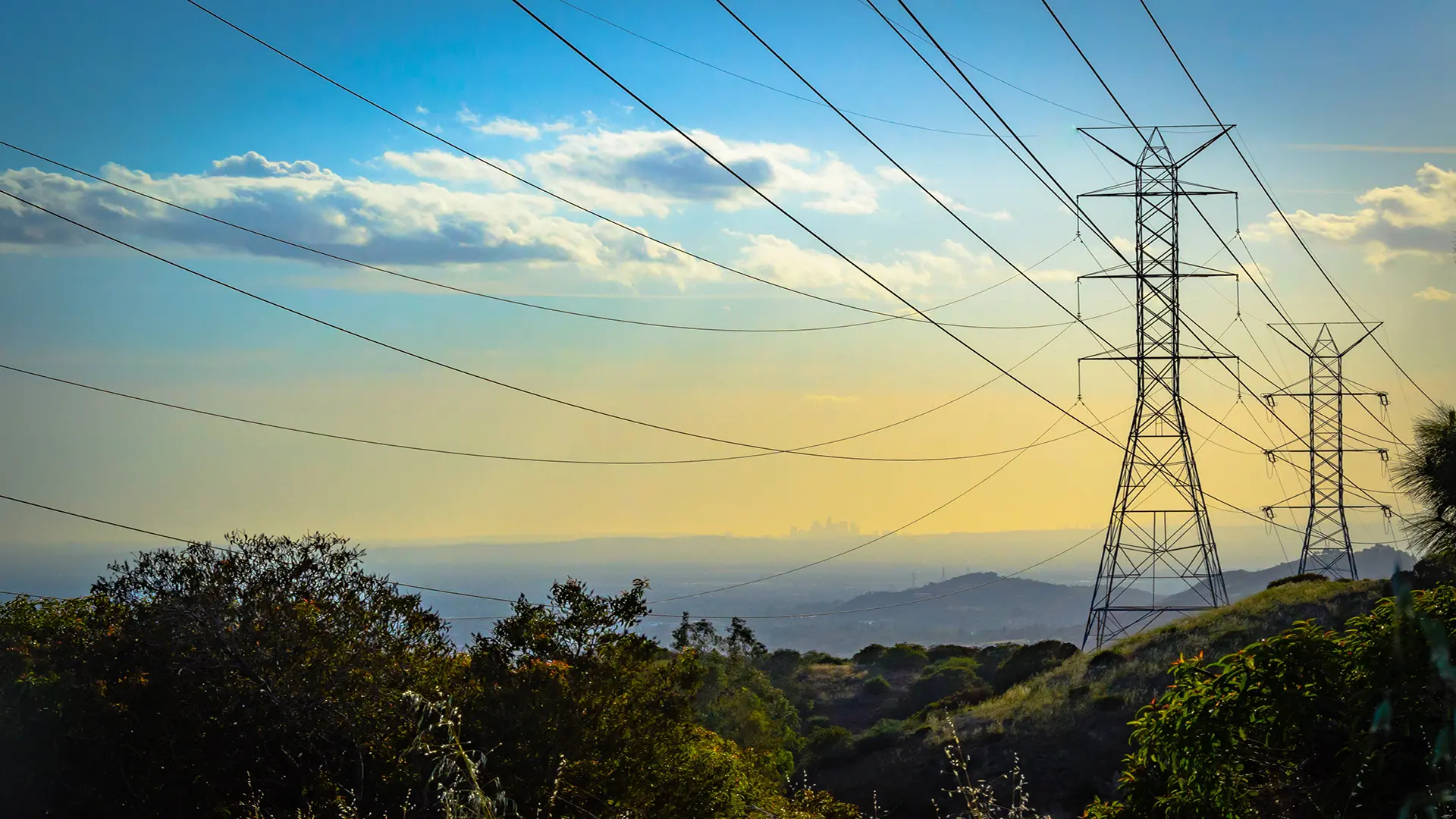
Researched by Industrial Info Resources (Sugar Land, Texas)--India has secured the world's largest carbon dioxide (CO2) emission-reduction project to replace 400 million incandescent bulbs with energy-saving compact fluorescent lamps (CFL) at low prices in a year. On April 29, the United Nations approved the program under the global carbon credit scheme called Clean Development Mechanism (CDM) under the Kyoto Protocol, a part of the United Nations Framework Convention on Climate Change (UNFCCC). The CFL replacement scheme has the potential to prevent 40 million tons of CO2 emissions every year.
In February 2009, the Power Ministry's Bureau of Energy Efficiency launched the Bachat Lamp Yojna (BLY) scheme to reduce the cost of CFLs and increase its penetration in the domestic sector across India. While incandescent bulbs are energy inefficient, as only 5% of power is used for lighting and the remaining 95% is converted into heat, CFLs are an energy-efficient alternative that uses only one-fifth of the electricity for providing the same amount of illumination.
According to Ajay Mathur, the director general of the Bureau of Energy Efficiency (BEE) (New Delhi), about half of the country's households will benefit from the scheme. Under the BLY scheme, 60-watt and 100-watt incandescent bulbs will be replaced with 11- to 15-watt and 20- to 25-watt CFLs, respectively. The current penetration of CFLs in the household sector is very low, between 5% and 10%, due to high cost. A CFL is at least eight to 10 times more expensive than an incandescent bulb.
The BLY scheme is designed to function as a public-private partnership between the central government, state electricity distribution companies (DISCOM), the private sector, and CFL manufacturers and suppliers. The scheme works as follows: After a state DISCOM decides to implement the scheme across the state or a city, it secures funds from a financial investor to buy the CFLs at market rates. The DISCOM then sells the CFLs to households at a subsidized rate of $0.33 a lamp against the current market price of $2.24 per lamp. Incandescent bulbs collected by the DISCOM are then destroyed. Investors will be able recover the balance cost of $1.90 per CFL through sale of carbon credits in the international market.
The BEE will obtain a carbon certificate from the UN for every ton of CO2 saved. The certificate will then be given to investors who can sell it in the international markets where buyers purchase carbon credits to meet their respective country's carbon emission reduction targets. A carbon credit certificate currently sells for anywhere between $13.20 and $15.80 in the international spot market. It is projected that investors will be able to break even within five to six years and turn profitable in seven years.
It is estimated that household electrical appliances and lighting account for about 22% of India's total power consumption, and domestic lighting contributes fully to peak-load demand. Currently, more than 400 million light points in the country use incandescent lamps. The BLY scheme aims at reducing peak electricity demand by 6,000 MW.
The BLY scheme is now registered as a small-scale CDM Program of Activities with the United Nations. The program helps in expediting the approval process for smaller projects from the UN and cuts high transaction costs.
Several cities in states such as Maharashtra, Uttar Pradesh, Himachal Pradesh, Rajasthan, Orissa and Karnataka have expressed interest in the program. Nearly 1.4 million CFLs already have been distributed. Out of that, pilot projects account for 400,000 in Yamunanagar in Haryana, 350,000 at Visakhapatnam in Andhra Pradesh, and 400,000 in the Rajnandgaon district of Chhattisgarh. The Kerala state government has collaborated with investors and manufactures to distribute 15 million bulbs across 7.5 million houses in the state. Power-hungry states such as Punjab and Uttarakhand and cities like Hyderabad are gearing up to implement the scheme within a month.
Industrial Info Resources (IIR) is the leading provider of global market intelligence specializing in the industrial process, heavy manufacturing and energy markets. IIR's quality-assurance philosophy, the Living Forward Reporting Principle, provides up-to-the-minute intelligence on what's happening now, while constantly keeping track of future opportunities.
/news/article.jsp
false
Want More IIR News Intelligence?
Make us a Preferred Source on Google to see more of us when you search.
Add Us On GoogleAsk Us
Have a question for our staff?
Submit a question and one of our experts will be happy to assist you.

Forecasts & Analytical Solutions
Where global project and asset data meets advanced analytics for smarter market sizing and forecasting.
Explore Our SolutionsRelated Articles
-
Data Centers Push Vistra to Grow U.S. Nuclear, Natural Gas F...August 25, 2026
-
Typhoon Saudel Threatens Okinawa, Eastern ChinaAugust 25, 2026
-
DOE Seeking Loan Applicants for U.S. Energy Projects Favored...August 25, 2026
-
Spain Extends Life of Largest Nuclear Power PlantAugust 25, 2026

PECWeb Global Market Intelligence Platform
Identify opportunities, anticipate change, and execute with confidence. PECWeb connects the industrial intelligence you need, from projects and assets to operational events, all in one platform.
Discover PecwebIndustry Intel
-
European Chemicals and Transport Fuels OutlookPodcast Episode / Jul 10, 2026
-
2026 European Petroleum Refining Project OutlookPodcast Episode / Jun 26, 2026
-
Brazil: Efficiency, Innovation, and Opportunities in the Food & Beverage IndustryPodcast Episode / Jun 12, 2026
-
2026-2027 Investment Radar for Mexico, Central America & the CaribbeanPodcast Episode / May 29, 2026
-
Innovations Shaping the Next Era of Power GenerationPodcast Episode / May 22, 2026