Industrial Manufacturing
University Infrastructure Spending Remains High in 2010, Despite Economic Woes
Despite the need to watch spending, universities are continuing a healthy amount of capital spending into 2010....
Released Tuesday, September 29, 2009
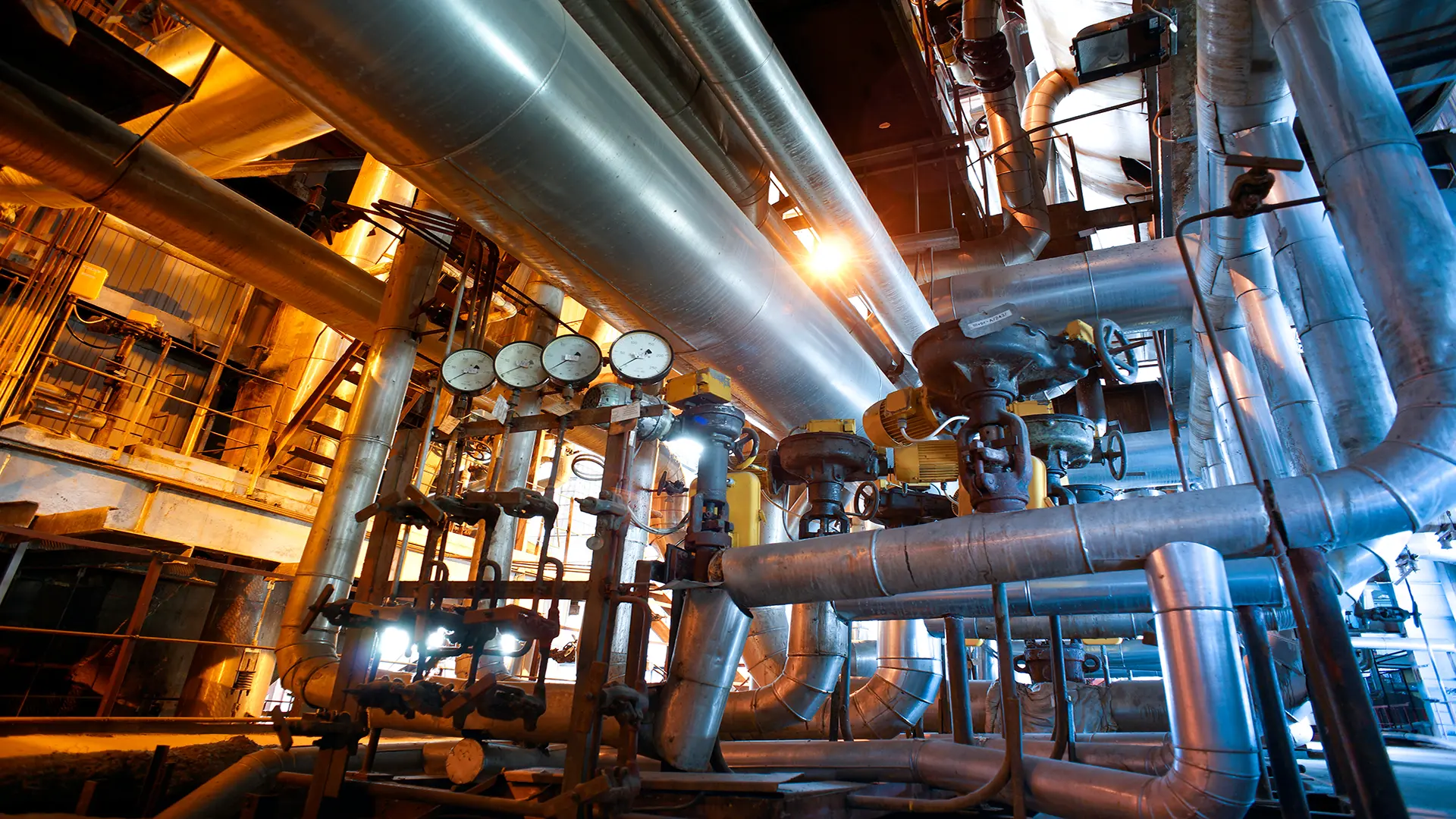
Researched by Industrial Info Resources (Sugar Land, Texas)--At the end of 2007, with the recession nearing, the nation's universities buckled down on spending. Because of their reliance on donations and government funding to finance expansion plans, and with the economy beginning a downward slide, the majority of universities realized that funding would be scarce in the near future and acted accordingly. However, despite the need to watch spending, universities are continuing a healthy amount of capital spending into 2010.
 Click on image at right for a regional breakdown of planned 2010 U.S. university infrastructure projects.
To date, Industrial Info is tracking almost 70 capital and maintenance infrastructure projects at U.S. universities that are scheduled to begin construction during 2010. The $850 million associated with these projects should increase as the year passes; the recession is showing signs of easing, and financing should be easier to obtain in 2010. While a number of the projects in the planning stages for 2010 are maintenance-related, there is also a lot of capital work planned.
Infrastructure projects at universities, which include steam-related, chilled-water-related and electrical projects, are necessary for the very survival of the institutions. As universities renovate, upgrade and expand their facilities, they must accommodate the infrastructure to power, heat, light and provide chilled water to the facilities.
When it comes to steam and chilled water supplies, many of the capital projects at these universities in recent years have been geared to moving away from a "central plant" philosophy and to a "satellite plant" philosophy. It used to be that universities were so small in acreage that a single "central plant," which housed boilers and chillers, plus the occasional emergency generator or turbine/generator set, could cover every need.
However, as universities have grown, they have had to either construct additional major physical plants to supplement a central plant or, as in most cases, they have built satellite plants that make heating and cooling buildings much easier. With satellite plants, universities construct several smaller facilities that house boilers and chillers in strategic locations around the university to supply heat, steam and chilled water to a certain number of buildings, with capacity or space to add capacity, to handle growth in the area they are responsible for supporting.
The satellite plant idea makes more sense for today's universities, which have grown from small bastions of learning into mammoth learning centers that cover hundreds of acres in many cases. They also have become Meccas for research, which only has added to the infrastructure burden on facilities that support educational and research buildings. In addition, universities have become places where companies are trying out new sources of energy, such as biomass-fueled power plants.
Regardless of which infrastructure philosophy universities have been following, the recession has been a troubling time for the institutions. With outside funding increasingly scarce, universities have been forced to cut back their expenditures and watch every penny. With the end of the recession in sight, some of this tight-fisted nature will ease as funding is becoming more accessible.
From the looks of the number of projects and the amount of capital and maintenance funds that universities already have set aside for those projects in 2010, it looks like the institutions of higher learning have survived the economic turmoil without too much damage. Infrastructure spending at universities should continue to increase as 2010 develops and as the economy continues its gradual recovery, and the fact that more than $800 million is already earmarked for infrastructure projects at these universities in the U.S. during 2010 is a good sign that more spending is yet to come.
Industrial Info Resources (IIR) is the leading provider of global market intelligence specializing in the industrial process, heavy manufacturing and energy related markets. For more than 26 years, Industrial Info has provided plant and project opportunity databases, market forecasts, high resolution maps, and daily industry news.
/news/article.jsp
false
Want More IIR News Intelligence?
Make us a Preferred Source on Google to see more of us when you search.
Add Us On GoogleAsk Us
Have a question for our staff?
Submit a question and one of our experts will be happy to assist you.

Forecasts & Analytical Solutions
Where global project and asset data meets advanced analytics for smarter market sizing and forecasting.
Explore Our SolutionsRelated Articles
-
Data Centers Push Vistra to Grow U.S. Nuclear, Natural Gas F...August 25, 2026
-
Typhoon Saudel Threatens Okinawa, Eastern ChinaAugust 25, 2026
-
China's 'New Type' Power Storage Now Half of Global CapacityAugust 24, 2026
-
Evergy Sees Opportunities in Midwest's Data Center BuildoutAugust 19, 2026
-
Texas Governor Pauses New Data Centers, Mirroring Growing U....August 19, 2026

PECWeb Global Market Intelligence Platform
Identify opportunities, anticipate change, and execute with confidence. PECWeb connects the industrial intelligence you need, from projects and assets to operational events, all in one platform.
Discover PecwebIndustry Intel
-
European Chemicals and Transport Fuels OutlookPodcast Episode / Jul 10, 2026
-
2026 European Petroleum Refining Project OutlookPodcast Episode / Jun 26, 2026
-
Brazil: Efficiency, Innovation, and Opportunities in the Food & Beverage IndustryPodcast Episode / Jun 12, 2026
-
2026-2027 Investment Radar for Mexico, Central America & the CaribbeanPodcast Episode / May 29, 2026
-
Innovations Shaping the Next Era of Power GenerationPodcast Episode / May 22, 2026
