Pipelines
Yukon Pacific Plans Massive $12 Billion Alaskan Energy Project to Move North Slope Gas to the Lower 48
The TAGS project involves the construction of an 800 mile 36' diameter pipeline with an initial capacity of 2.2 Bcf/d from the North Slope to Valdez
Released Thursday, July 31, 2003
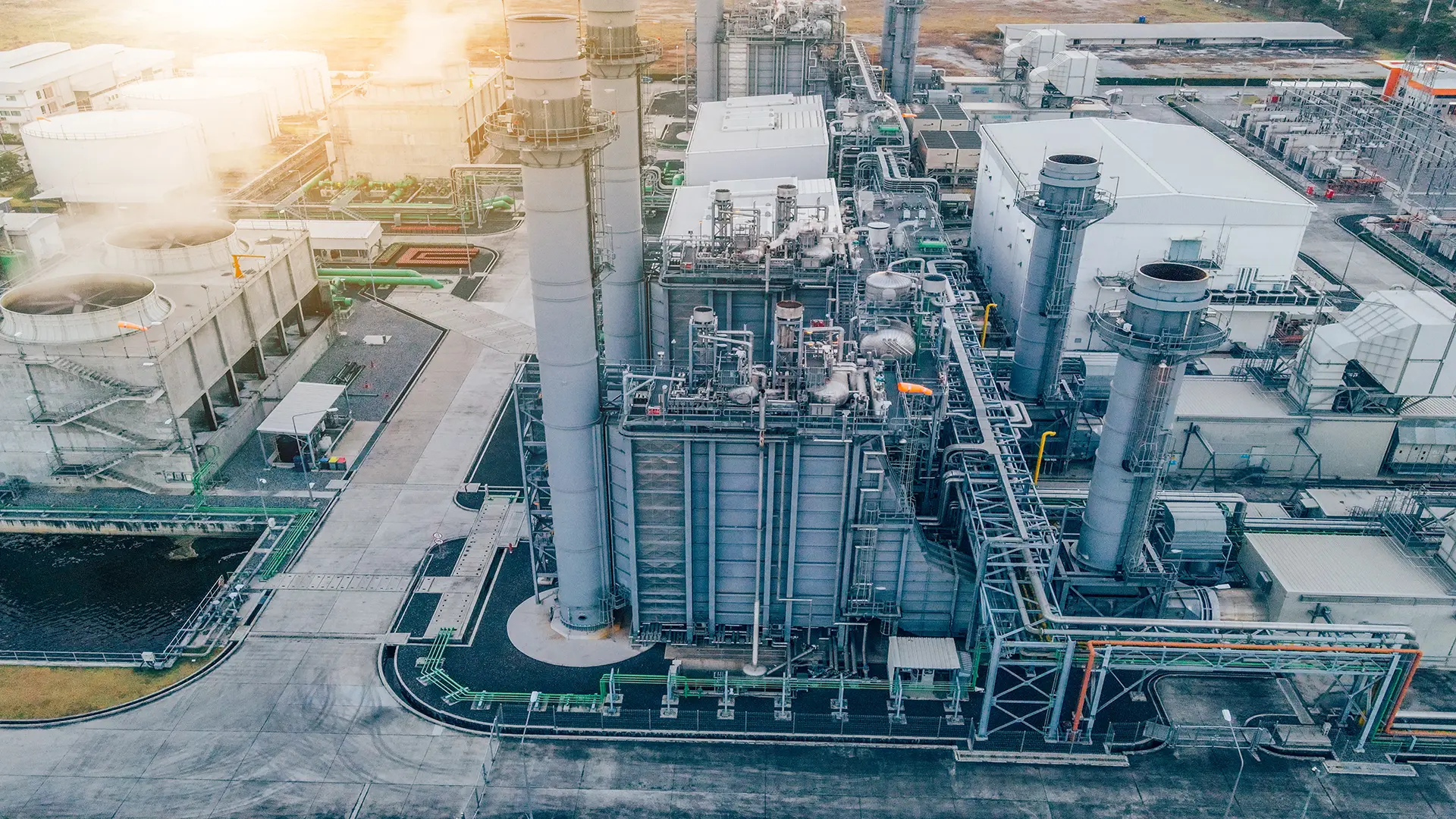
Researched by Industrialinfo.com (Industrial Information Resources, Incorporated; Houston, Texas). Yukon Pacific Corporation (Anchorage Alaska) is promoting the construction of the Trans-Alaska Gas System (TAGS), which involves transporting natural gas from Alaska's North Slope to Valdez where it would be separated into various products for sale in North American and Asian markets. Yukon Pacific holds the major permits for TAGS and is working in conjunction with the newly created agency Alaskan Natural Gas Development Authority (ANGDA) to promote the $12 Billion project.
The TAGS project involves the construction of an 800 mile 36" diameter pipeline with an initial capacity of 2.2 Bcf/d from the North Slope to Valdez with a maximum allowable operating pressure of 2,600 psi, which could be expanded to 3 Bcf/d at a later date. Six 15,000 horsepower low emission combustion technology turbine based compressor stations would supply the Initial compression and an average gas temperature of 35 degrees Fahrenheit will be maintained utilizing a system of chillers to make the pipeline compatible with permafrost and thawed soils. The construction of a further five additional compressor stations would be required to bring the capacity of the pipeline to 3 Bcf/d. The capital value of the pipeline (PEC 49000044) alone is some $4 Billion.
A $2.1 Billion natural gas treating plant to remove water, CO2, and H2S would be constructed at the origin of the Pipeline near the North Slope. These materials could be utilized for reinjection to maintain field pressure to make up for the loss of this gas for field pressure.
The pipeline terminus in Anderson Bay in Valdez Alaska Yukon Pacific plans to construct a $4 Billion 12 million ton per year LNG liquefaction plant (PEC 49000037) supported by liquids fractionation & storage facilities. The LNG storage facility (PCE 49000043) will be composed of several 125,000 cubic meter double walled insulated LNG storage tanks. Further fractionation facilities located at Anderson Bay could produce nearly 3 million tons per year of LPG for shipment to Asian markets on the Pacific Rim.
LPG prices rose to $8 per million BTU in April of 2003 on the Pacific Rim. To make the LNG marketable in US markets, Yukon Pacific will have to remove excess butane & ethane. Yukon Pacific hopes to market the 50,000 barrels per day of NGL's to the petrochemical sector. The Port of Valdez has set aside 2,000 acres of land for a prospective petrochemical development.
Yukon Pacific has included the construction of eight new 135,000 cubic meter LNG tankers in the final $12 billion capital cost of the TAGS project. Yukon Pacific has acquired the majority of their permits including the EIS for the pipeline (1988), EIS for the LNG Liquefaction (1995), PSD Permit, Right-of-Way for the 400-Miles of federal & 400-Miles of state lands the pipeline will traverse, Place of export authority, DOT 193 export permits and others. All things considered Yukon Pacific hopes to have the entire project in service by 2010.
Preferable markets for the LNG include the US West Coast, numerous proposed LNG terminals planned in Mexico and some Asian markets as well. The Asian markets are vast with Japan importing 50 million tons of LNG per year, South Korea 37 million tons per year as the top importers but there are markets as well in Taiwan, India and China. A stable source of LNG like the US would appeal these nations, which currently import from countries like Malaysia and regions such as the Middle East.
The gas reserves of the North Slope are the largest untapped natural gas resources in North America weighing in at 22 Tcf for Prudhoe Bay and 8 Tcf at Point Thompson. Including other fields and the total rises to 35 Tcf. Yukon Pacific Corporation, a subsidiary of CXS Corporation (NYSE:CSX) (Jacksonville Florida) was founded in 1982 and in 1987 CSX acquired a direct majority interest and now holds 88 percent with the remaining 12 percent held primarily by a charitable trust established by former by former Alaskan Governor Walter Hickel who founded Yukon Pacific. The future of this project will be determined by domestic demand for natural gas and the political moves of the ALCAN Project, which is a natural gas pipeline following the southern route from the North Slope traversing Alaska, Western Canada and terminating in Chicago supported by BP, ConocoPhillips and ExxonMobil and toting a $16-20 Billion price tag.
/news/article.jsp
false
Want More IIR News Intelligence?
Make us a Preferred Source on Google to see more of us when you search.
Add Us On GoogleAsk Us
Have a question for our staff?
Submit a question and one of our experts will be happy to assist you.

Forecasts & Analytical Solutions
Where global project and asset data meets advanced analytics for smarter market sizing and forecasting.
Explore Our SolutionsRelated Articles
-
Europe's Mild Winter Outlook Tests Natural Gas PreparednessOctober 16, 2026
-
Fragile Recovery Seen in Persian Gulf Oil & Gas ProductionOctober 16, 2026
-
Alberta Starts Work on New Natural Gas PipelineOctober 15, 2026

PECWeb Global Market Intelligence Platform
Identify opportunities, anticipate change, and execute with confidence. PECWeb connects the industrial intelligence you need, from projects and assets to operational events, all in one platform.
Discover PecwebIndustry Intel
-
Brazil Critical Minerals 2027: Rare Earths, Lithium, CopperPodcast Episode / Oct 16, 2026
-
US Craft Labor Outlook 2026: Wages, Per Diems, Data CentersPodcast Episode / Oct 16, 2026
-
Latin America Data Center Outlook 2026: Power, Hubs & GrowthPodcast Episode / Oct 9, 2026
-
Food and Beverage CapEx Outlook 2026: Tariffs, AI, AfricaPodcast Episode / Oct 9, 2026
-
North America Refining 2026: New Pipelines to PADD 5Podcast Episode / Oct 2, 2026