Metals & Minerals
EPA Proposes Regulations on Mercury Emissions from Cement Plants
The United States Environmental Protection Agency (EPA) is proposing significant changes to mercury-emissions regulations for cement plants.
Released Wednesday, April 29, 2009
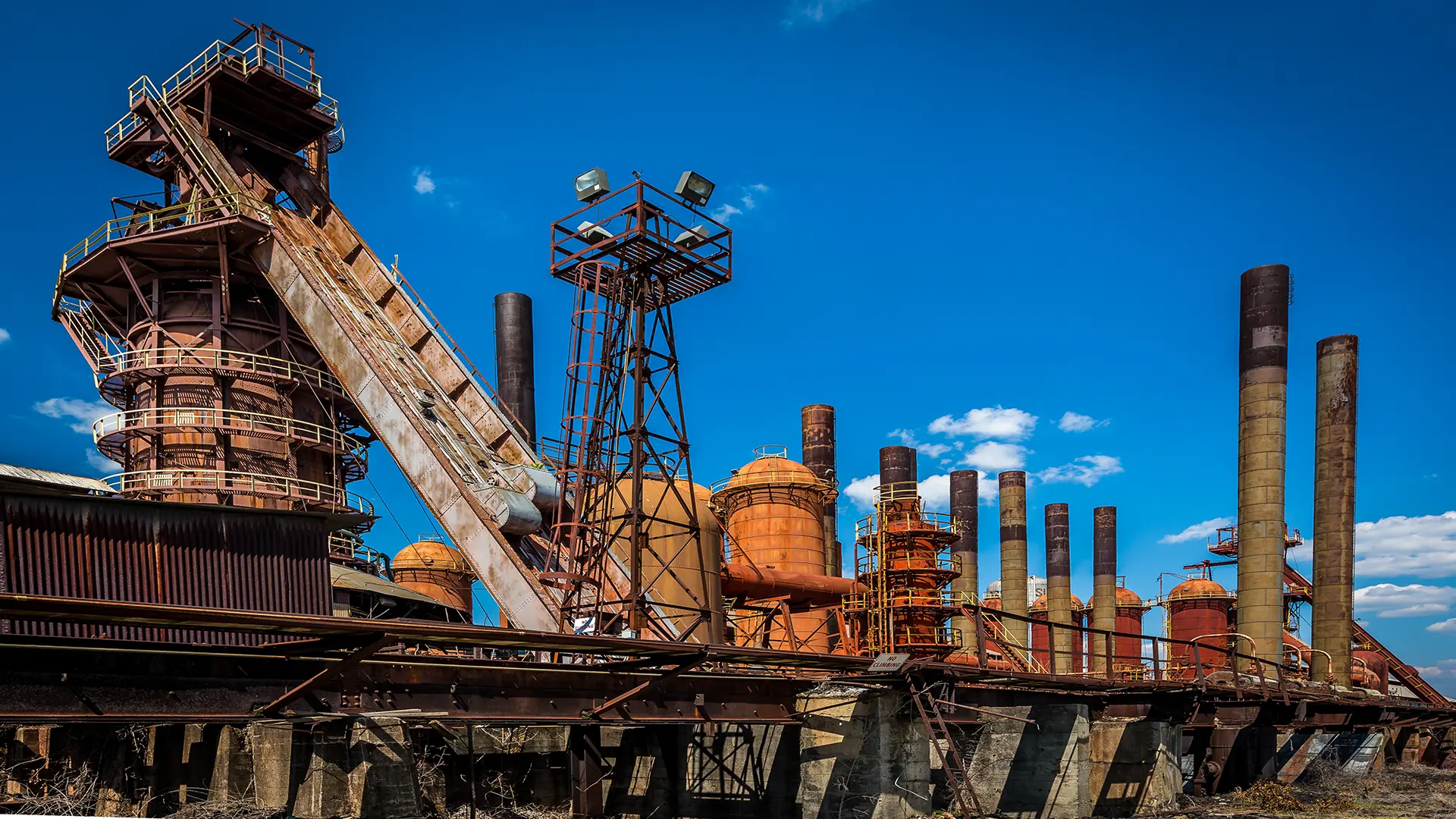
Researched by Industrial Info Resources (Sugar Land, Texas)--The United States Environmental Protection Agency (EPA) is proposing significant changes to mercury-emissions regulations for cement plants. Proposed amendments to the National Emission Standards for Hazardous Air Pollutants would set limits on mercury emissions from existing cement kilns and tighten emissions limits for any new kilns. Existing Portland kilns are the fourth largest contributor to total U.S. mercury emissions. The Clean Air Act was amended in 1990 to give the EPA authority to regulate hazardous substances, including mercury.
According to a statement by EPA Administrator Lisa P. Jackson, "Mercury and other chemicals ... are health hazards for children, pregnant mothers, local residents and workers." Airborne mercury particles enter water streams where microscopic organisms convert it into methylmecury, a toxin often ingested by fish. The toxin accumulates within the fish and enters the food chain when ingested by humans or other animals. According to the U.S. Occupational Safety & Health Administration "high mercury exposure results in permanent nervous system and kidney damage."
Proposed regulations further address limitations on emissions of hydrocarbons, sulfur dioxide and hydrochloric acid. The agency posted details in the Federal Register on April 22, will take public commentary for 60 days and will host a public hearing on the topic if requested. If enacted, the EPA expects the rule to reduce related annual mercury emissions by 81%, hydrocarbon emissions by 75% and sulfur dioxide emissions by 90%.
Andy O'Hare , Vice President of Regulatory affairs for the Portland Cement Association (PCA), responded that the organization "considers the standards unachievable" and that plants "may not be able to achieve the standards even after having made significant investments in emission control technologies." The PCA represents cement companies in Canada and the U.S. and was founded in 1916. O'Hare insisted, however, that the PCA "has supported the rising demand for portland cement through ... state-of-the-art technologies to minimize emissions, promote a safe workplace, improve energy efficiency and conserve natural resources."
Industrial Info is currently tracking 172 operational cement plants within our North American Plant Database and has reported 115 cement-related projects with combined total investment values of $1.88 billion that are kicking off April 2009 or later.
Industrial Info Resources (IIR) is a marketing information service specializing in industrial process, energy and financial related markets with products and services ranging from industry news, analytics, forecasting, plant and project databases, as well as multimedia services.
/news/article.jsp
false
Want More IIR News Intelligence?
Make us a Preferred Source on Google to see more of us when you search.
Add Us On GoogleAsk Us
Have a question for our staff?
Submit a question and one of our experts will be happy to assist you.

Forecasts & Analytical Solutions
Where global project and asset data meets advanced analytics for smarter market sizing and forecasting.
Explore Our Solutions
Industrial Project Opportunity Database and Project Leads
Get access to verified capital and maintenance project leads to power your growth.
Discover Our DatabaseIndustry Intel
-
2026-2027 Investment Radar for Mexico, Central America & the CaribbeanPodcast Episode / May 29, 2026
-
Innovations Shaping the Next Era of Power GenerationPodcast Episode / May 22, 2026
-
The Role of Contract Manufacturing in Global Pharma GrowthPodcast Episode / May 8, 2026
-
2026 North American Labor OutlookPodcast Episode / Apr 24, 2026
-
2026 European Metals & Minerals Project Spending OutlookPodcast Episode / Apr 7, 2026