Power
U.S. Combustion Turbine Conversions Could See Watershed Year in 2013
Common combustion conversions, which are a cost-effective solution to the challenges facing power generation facilities today, include those to the dry low NOx system and single-to-dual
Released Wednesday, March 13, 2013
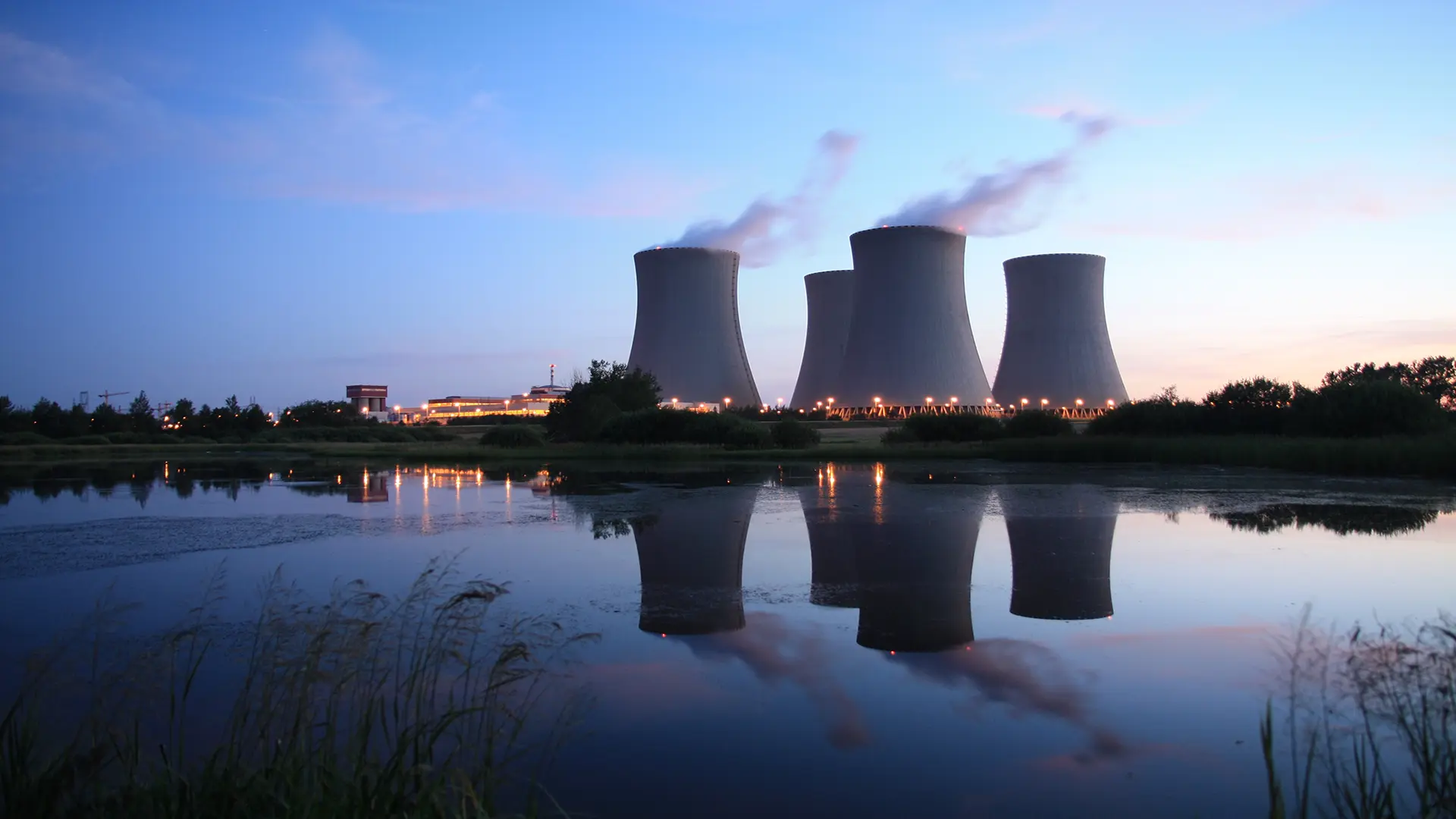
Researched by Industrial Info Resources (Sugar Land, Texas)--Combustion turbine conversions are a cost-effective solution to the economic and emissions challenges facing power generation facilities today. Common combustion conversions are those to the dry low NOx system; fuel conversions; single-to-dual fuel conversions; and the addition of steam or water injection.
As an example, a natural gas fuel system conversion may require the upgrading of fuel-handling and metering systems, including high-pressure gas lines; supply pumps and control valves; plant-control logic; combustion system components; pipe manifolds; purge air systems; drain system integrations; controls system modifications; hydraulic system modifications and expansions; water or steam control equipment; and other balance-of-plant equipment exclusive to the requirements of the combustion turbine.
2013 could be a transition year for gas turbines in the power generation industry, as existing turbines are running more often in base load mode. New units are being constructed and fuel oil or liquid-fueled units are being converted to burn natural gas.
Siemens AG (NYSE:SI) (Munich, Germany), a leader in combustion turbine generation, estimates that the U.S. gas fired power market will grow 20% per year over the next five years due to low natural gas prices as well as stringent emission requirements on existing coal fired power plants.
Industrial Info recently introduced a real-time tool to provides unique market-size information and detailed market segmentation of installed combustion turbines (excluding offshore applications) in the U.S. and Canada. For more information, visit Industrial Info's North American Power Generation Combustion Turbine After-Market Analysis.
A typical dry low NOx (DLN) 1.0 conversion may require the removal of existing structures and the construction of new support structures, instrument cabinets, electrical conduit runs, and tubing; control-system modifications; the installation of a fuel skid and the removal of existing combustors; the installation of new DLN components and related modifications; and the removal of retired systems, including control systems and ancillary terminations.
Before undergoing any combustion turbine conversion, the power plant owner (or the owner's engineer) would need to look at the entire combustion turbine power block in order to assess the changing requirements of the operating asset to enhance the plant's reliability, emissions and performance needs. This would be necessary to decide which conversions to implement and how much capital expenditure to undertake for the remaining unit's operating life.
Industrial Info Resources (IIR), with global headquarters in Sugar Land, Texas, and eight offices outside of North America, is the leading provider of global market intelligence specializing in the industrial process, heavy manufacturing and energy markets. Industrial Info's quality-assurance philosophy, the Living Forward Reporting Principle, provides up-to-the-minute intelligence on what's happening now, while constantly keeping track of future opportunities.
/news/article.jsp
false
Want More IIR News Intelligence?
Make us a Preferred Source on Google to see more of us when you search.
Add Us On GoogleAsk Us
Have a question for our staff?
Submit a question and one of our experts will be happy to assist you.

Forecasts & Analytical Solutions
Where global project and asset data meets advanced analytics for smarter market sizing and forecasting.
Explore Our SolutionsRelated Articles
-
Turkey Announces New Wind and Solar DriveJuly 24, 2026
-
Nuclear Resurgence Spurs Permitting, Supply Chain IssuesJuly 24, 2026
-
GE Vernova Orders Up 88% Year-over-YearJuly 23, 2026

PECWeb Global Market Intelligence Platform
Identify opportunities, anticipate change, and execute with confidence. PECWeb connects the industrial intelligence you need, from projects and assets to operational events, all in one platform.
Discover PecwebIndustry Intel
-
European Chemicals and Transport Fuels OutlookPodcast Episode / Jul 10, 2026
-
2026 European Petroleum Refining Project OutlookPodcast Episode / Jun 26, 2026
-
Brazil: Efficiency, Innovation, and Opportunities in the Food & Beverage IndustryPodcast Episode / Jun 12, 2026
-
2026-2027 Investment Radar for Mexico, Central America & the CaribbeanPodcast Episode / May 29, 2026
-
Innovations Shaping the Next Era of Power GenerationPodcast Episode / May 22, 2026