Petroleum Refining
Brazil's Petrobras Seeks to Divest Ahead of Presidential Elections
Petrobras has revived the potential sale of its refineries months before the next presidential elections
Released Friday, July 22, 2022
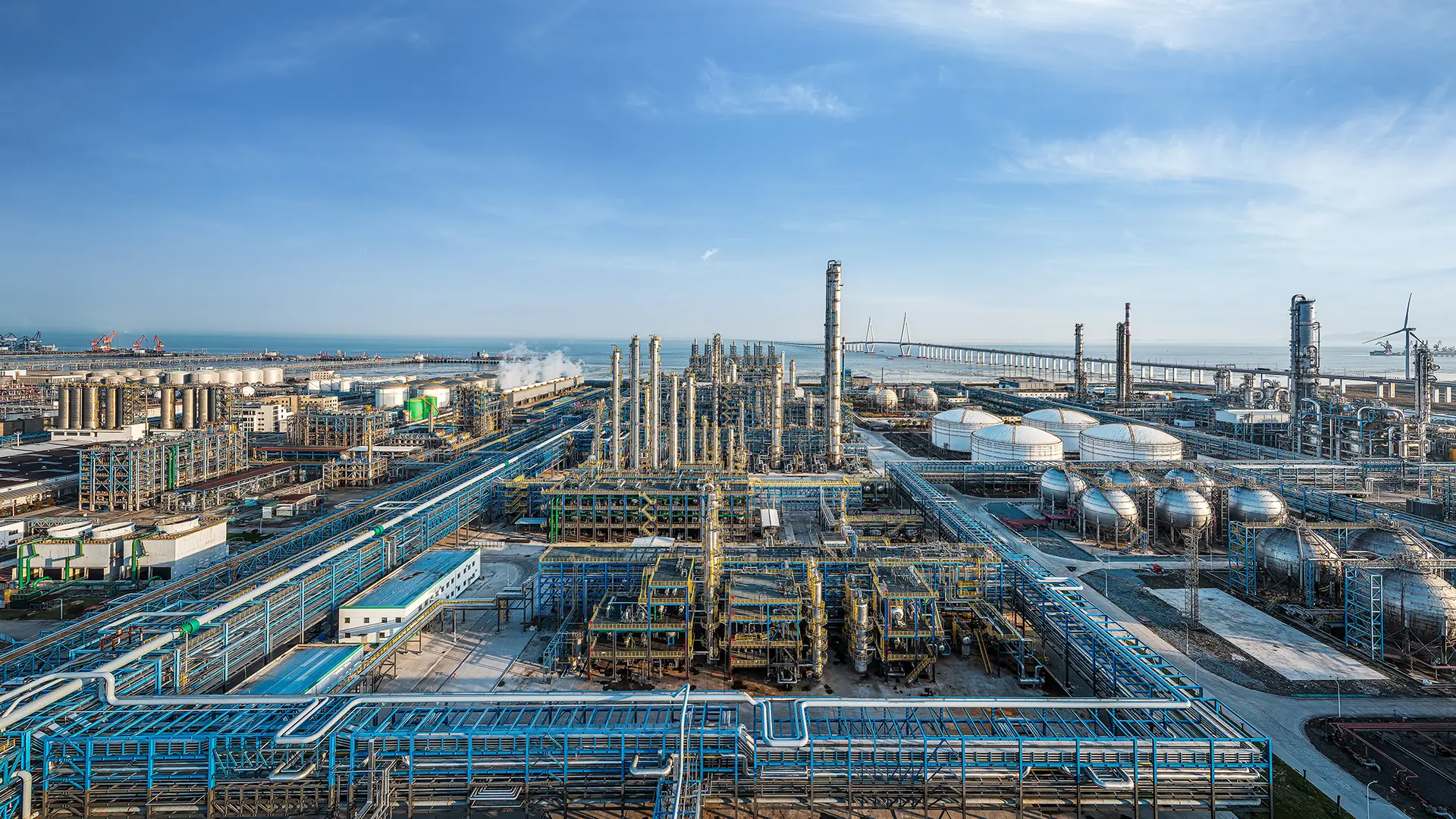
Written by Amir Richani for Industrial Info Resources (Sugar Land, Texas)--Petrobras (NYSE:PBR) (Rio de Janeiro, Brazil) has revived the potential sale of its refineries months before the next presidential elections.
The company has publicized the divestment of the 230,000 barrel-per-day (BBL/d) Refineria Abreu e Lima (RNEST), the 207,000-BBL/d Refineria Presidente Getulio Vargas (REPAR) and the 201,000-BBL/d Refineria Alberto Pasqualini (REFAP) in its latest efforts to sell more downstream units after a successful first phase.
Petrobras aims to sell eight downstream assets, which account for 1.1 million BBL/d, or about 50% of the company's total capacity. So far, Petrobras has concluded the sale of the Landulpho Alves Refinery (RLAM), while the sales contracts have been signed for the downstream units of Shale Industrialization Unit (SIX), Lubrificantes e Derivados de Petróleo do Nordeste (LUBNOR), and Isaac Sabbá Refinery (REMAN), although they are awaiting regulatory approval, according to a company statement. Industrial Info is following 14 operational Petrobras facilities in Brazil. Subscribers to Industrial Info's Global Market Intelligence (GMI) Plant Database can click here for a list of plant profiles.
Besides the sale of refineries, Petrobras also divested other infrastructures such as the Transportadora Associada de Gás (TAG) natural gas pipeline, oil fields such as Frade and Maromba, and other offshore assets. The company's strategic plan is to raise between US$15 billion and US$25 billion between 2022 and 2026 through divestments. With these efforts, Petrobras expects to improve its efficiency, cash generation and return on capital.
Under the presidency of Jair Bolsonaro, Petrobras launched efforts to divest some of its infrastructure as a way to raise funds and maximize the utilization of the company. Nevertheless, the sale of energy assets, such as those of Petrobras, has consistently been slowed by bureaucratic processes and opposition by some groups. For example, the Federation of Oil Workers (FUP), which also represents Petrobras employees, has consistently opposed Petrobras' privatization. As a result, the FUP has launched protests against divestment efforts, leading to disruptions within the energy industry.
Presidential Elections and Energy Policy
Meanwhile, Brazil is preparing for its presidential elections, scheduled to take place in October. Political polarization has taken the central stage, as former leftist president Luiz Inacio Lula da Silva, better known as Lula, and incumbent right-wing Jair Bolsonaro battle to lead the country.
According to a report from Data Folha in June, Lula has kept a lead of 19% against Bolsonaro, who so far has gathered 28% of the support. Lula's popularity has remained strong since the former president announced that he would run in the next elections, with Bolsonaro trending significantly behind.
The two candidates differ on a number of positions. On the one hand, Lula has pushed for a more nationalistic approach, aiming to strengthen national companies like Petrobras. Lula also has opposed the downstream divestments launched by Petrobras. In a visit to Salvador earlier this month, he criticized the sale of RLAM and promoted the protection of state energy assets and fuel prices.
On the other hand, Bolsonaro has encouraged a free-market approach by promoting the privatization of refineries and other state assets. Despite the move toward divestments, he also endorsed the regulation of fuel prices to contain public unrest during times of tension.
Given the profile of both candidates, the next presidential elections could translate into a 180-degree shift in Brazil's privatization efforts.
Industrial Info Resources (IIR) is the world's leading provider of market intelligence across the upstream, midstream and downstream energy markets and all other major industrial markets. IIR's Global Market Intelligence Platform (GMI) supports our end-users across their core businesses, and helps them connect trends across multiple markets with access to real, qualified and validated project opportunities. Follow IIR on: LinkedIn.
/news/article.jsp
false
Want More IIR News Intelligence?
Make us a Preferred Source on Google to see more of us when you search.
Add Us On GoogleAsk Us
Have a question for our staff?
Submit a question and one of our experts will be happy to assist you.

Forecasts & Analytical Solutions
Where global project and asset data meets advanced analytics for smarter market sizing and forecasting.
Explore Our SolutionsRelated Articles
-
Typhoon Saudel Threatens Okinawa, Eastern ChinaAugust 25, 2026
-
U.S. Drivers Weary as Gas Station Prices at August HighAugust 24, 2026
-
U.S. Taking in More than Half of Venezuela's Crude Oil Expor...August 20, 2026
-
U.S. Refineries Can do More, Energy Secretary SaysAugust 19, 2026
-
Georgia's Only Refinery Ditches Russian Crude OilAugust 18, 2026

PECWeb Global Market Intelligence Platform
Identify opportunities, anticipate change, and execute with confidence. PECWeb connects the industrial intelligence you need, from projects and assets to operational events, all in one platform.
Discover PecwebIndustry Intel
-
European Chemicals and Transport Fuels OutlookPodcast Episode / Jul 10, 2026
-
2026 European Petroleum Refining Project OutlookPodcast Episode / Jun 26, 2026
-
Brazil: Efficiency, Innovation, and Opportunities in the Food & Beverage IndustryPodcast Episode / Jun 12, 2026
-
2026-2027 Investment Radar for Mexico, Central America & the CaribbeanPodcast Episode / May 29, 2026
-
Innovations Shaping the Next Era of Power GenerationPodcast Episode / May 22, 2026