Petroleum Refining
Iran Plans to Privatize Refining and Petrochemical Sectors
Iran plans to privatize its oil refining and petrochemical sectors, but it may have problem finding buyers for these products.
Released Friday, September 23, 2011
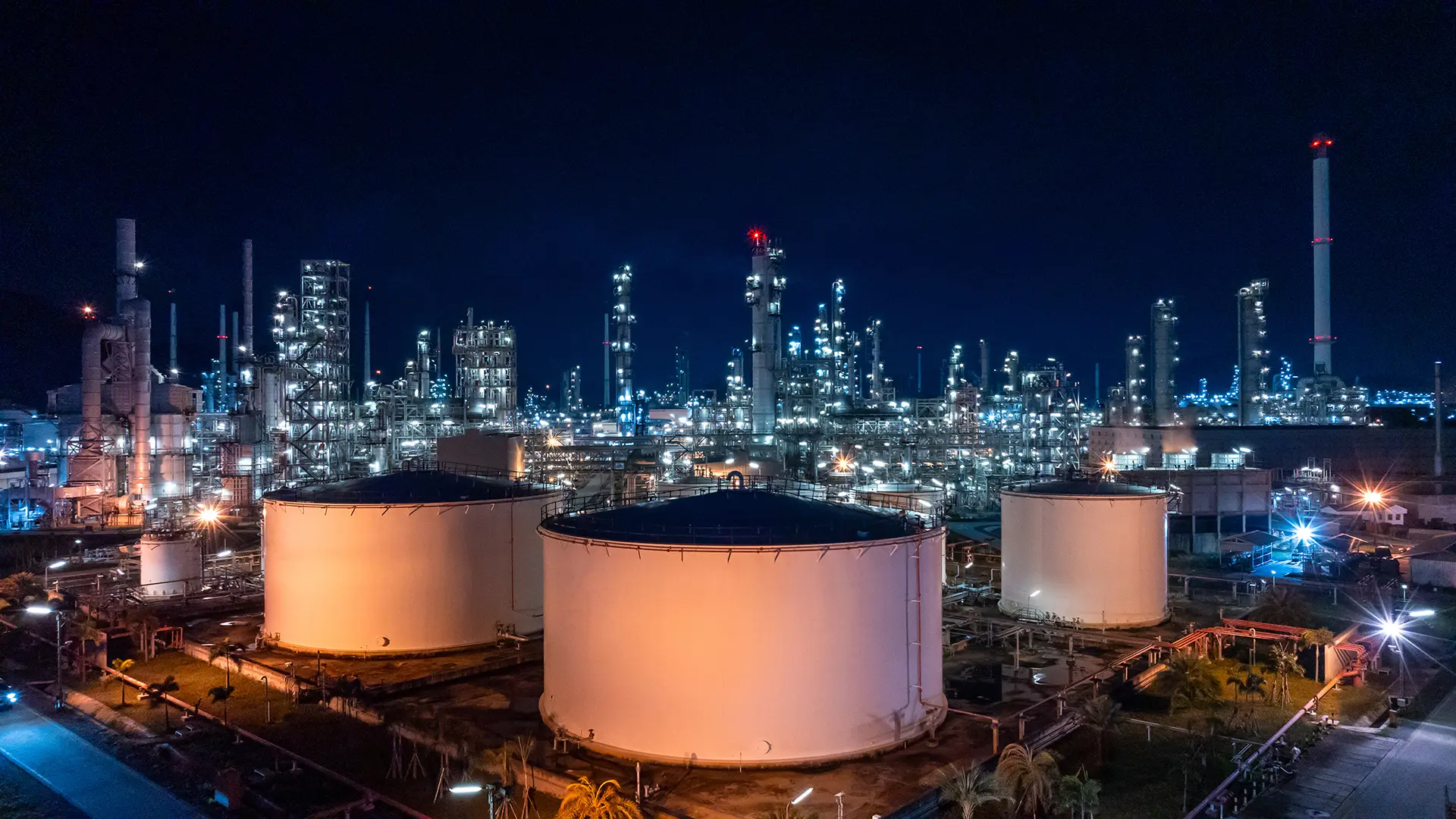
Researched by Industrial Info Resources India (Delhi, India)--Iran boasts the world's third-largest amount petroleum reserves, following Saudi Arabia and Canada, and the second-largest gas reserves, after Russia. Iran also has the Middle East and North Africa region's second-largest economy, after Saudi Arabia, and the second largest population, after Egypt.
Despite these figures, the country faces a number of significant economic challenges. Internal challenges include the large role of oil export revenues in financing government spending; the vulnerability to oil price fluctuation; dependence on gasoline imports to meet domestic energy needs; high inflation; high unemployment and poverty levels; reported domestic economic mismanagement; and widespread economic inefficiency. External challenges include U.S. and United Nations sanctions, other forms of U.S.-led financial pressure, and the fallout from the recent global economic turndown.
In the face of these problems, Iran plans to privatize its oil refining and petrochemical sectors, but it may have a problem finding buyers for these products. Under the threat of stiffer sanctions because of its nuclear program, the second-largest OPEC oil producer is seeking to accelerate the sale of state assets to help balance the government's books and revitalize its troubled economy.
Iran was aiming to raise about $12.5 billion by selling more than 500 state firms to private-sector investors in the coming year. But the long-running standoff over Iran nuclear ambitions has led the U.S. to exert increasing pressure on its allies to shut down commercial dealings with Iran.
Another problem is that the refining and petrochemicals sectors face tough times due to the slow pace of global economic recovery. Now Iran is faced with the prospect of the West targeting imports that have avoided sanctions.
To give some indication of the level of growth in the refining and petrochemical sectors, in 1977 Iran had six refineries in operation with a combined capacity of 800,000 barrels per day (BBL/d). By 2006, this had reached nine refineries, with a total capacity of 1.5 million BBL/d. Plans have been made to more than double this to 3.3 million BBL/d by 2012.
All of this would seem viable were it not for the political situation of the nation. The country has U.S. and U.N. sanctions placed on because of its disputed nuclear program that restrict international companies and the flow of money into Iran. It has left the country to either seek the help companies in Asia and Russia, or to develop projects on its own.
Iran is the world's second biggest importer of gasoline after the United States, consuming more than 400,000 BBL/d in 2006,of which 192,000 BBL/d was imported at a cost of $5 billion. With an annual average growth rate of 6% for gasoline consumption in the past six years, growth in vehicle sales and heavy gasoline subsidization from the government, the country is under pressure to increase its refining capacity. Opening the petrochemical and refining sectors to private companies is one of the few ways that Iran can achieve this goal.
Industrial Info Resources (IIR) is the leading provider of global market intelligence specializing in the industrial process, heavy manufacturing and energy markets. IIR's quality-assurance philosophy, the Living Forward Reporting Principle, provides up-to-the-minute intelligence on what's happening now, while constantly keeping track of future opportunities.
/news/article.jsp
false
Want More IIR News Intelligence?
Make us a Preferred Source on Google to see more of us when you search.
Add Us On GoogleAsk Us
Have a question for our staff?
Submit a question and one of our experts will be happy to assist you.

Forecasts & Analytical Solutions
Where global project and asset data meets advanced analytics for smarter market sizing and forecasting.
Explore Our SolutionsRelated Articles
-
Typhoon Saudel Threatens Okinawa, Eastern ChinaAugust 25, 2026
-
U.S. Drivers Weary as Gas Station Prices at August HighAugust 24, 2026
-
U.S. Taking in More than Half of Venezuela's Crude Oil Expor...August 20, 2026
-
U.S. Refineries Can do More, Energy Secretary SaysAugust 19, 2026
-
Georgia's Only Refinery Ditches Russian Crude OilAugust 18, 2026

PECWeb Global Market Intelligence Platform
Identify opportunities, anticipate change, and execute with confidence. PECWeb connects the industrial intelligence you need, from projects and assets to operational events, all in one platform.
Discover PecwebIndustry Intel
-
European Chemicals and Transport Fuels OutlookPodcast Episode / Jul 10, 2026
-
2026 European Petroleum Refining Project OutlookPodcast Episode / Jun 26, 2026
-
Brazil: Efficiency, Innovation, and Opportunities in the Food & Beverage IndustryPodcast Episode / Jun 12, 2026
-
2026-2027 Investment Radar for Mexico, Central America & the CaribbeanPodcast Episode / May 29, 2026
-
Innovations Shaping the Next Era of Power GenerationPodcast Episode / May 22, 2026