Terminals
Proposed U.S. House Bill Sets Stage for Massive Build-Out of LNG Export Facilities on Gulf Coast
U.S. Representative Ted Poe (R-TX) has introduced bill H.R. 2471, which, if passed, will remove the U.S. Department of Energy from the approval process for new LNG liquefaction and export terminals
Released Friday, July 12, 2013
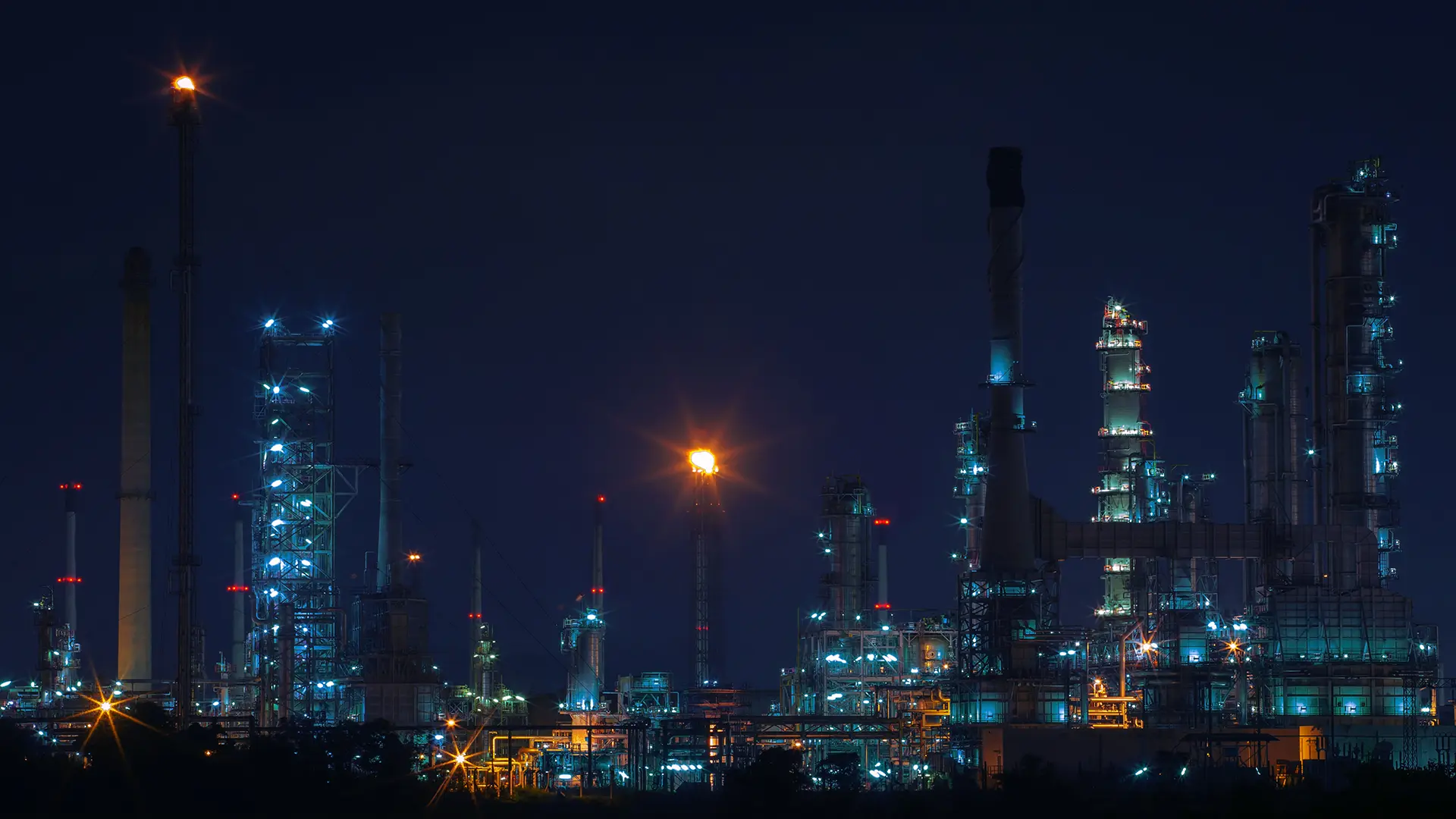
Written by Edward Weatherly for Industrial Info Resources (Sugar Land, Texas)--U.S. Representative Ted Poe (R-TX), formerly a Houston judge, has introduced bill H.R. 2471, which, if passed, will remove the U.S. Department of Energy (DOE) from the approval process for new liquefied natural gas (LNG) liquefaction and export terminals. The proposed bill would transfer the regulatory authority concerning LNG exports directly to the Federal Energy Regulatory Commission by amending the Department of Energy Organization Act. If the bill passes and is ratified, then LNG export projects will no longer have to obtain DOE approval, which can be a lengthy process stemming from a little-known law passed in 1937 that required DOE permission to export natural gas in any form to any territory outside the jurisdictional boundaries of the U.S. This would save a great amount of time and uncertainty regarding the current plethora of proposed LNG projects, which are concentrated mostly along the Gulf Coast.
If successful, the bill would give the U.S. an edge over other exporting countries, including Australia and Norway. What separates the U.S. even further from these other exporting countries is Article 1, Section 9 of the U.S. Constitution, which states: "No tax or duty shall be laid on articles from any state." In layman's terms, the U.S. is not allowed to tax exports, including LNG. Other countries, especially Middle Eastern ones, do not have this luxury.
Another advantage the U.S. has over all other countries, with the exception of Australia and to some extent Qatar, is the use of natural gas for domestic needs. The countries in the Middle East and Southeast Asia are switching their power production from oil-fired to natural gas-fired, due to the Btu price value differential. So these countries will have less available for export over the coming years as they switch to natural gas and re-route the oil for export. In many cases, exports in these countries are weakening due to growing populations and motor vehicle use.
The last and most valuable advantage the U.S. has is the sheer abundance of low-cost, newly discovered sources of natural gas. New techniques and technologies are opening up the massive shale and tight sands formations, for which reserves are estimated to be enough for approximately 100 years at current use. New reserves are being found every day and are spread across the U.S.
The U.S. has numerous other advantages, such as its location between Europe and Asia; NATO membership concerning energy security; existing infrastructure that makes LNG trains less expensive; and lessons learned from other companies and governments when it comes to LNG production.
When taking all these issues into consideration, the passage of House Bill H.R. 2471 could be the key that unlocks a massive LNG export play on the Gulf Coast that totals more than 30 LNG trains. These liquefaction export terminals have an estimated capital value of $92.35 billion and are spread over 800 miles of coastline, from the southern tip of Texas to Pascagoula, Mississippi. Industrial Info is tracking the progress of 14 projects/trains worth $41.97 billion in Texas; one project in Mississippi worth $6 billion; and an additional 15 projects/trains worth $44.38 billion to be located in Louisiana, with Lake Charles considered to be ground zero. The first of six trains being constructed by Cheniere Energy Incorporated (NYSE:LNG), totaling 27 million tons per year for export, is now more than 32% complete. It sounds like a new oil rush and a job-creation factory. The Gulf Coast is already seeing a tightening up of craftsman labor for those at journeyman level, but this will be only the beginning.
Industrial Info Resources (IIR), with global headquarters in Sugar Land, Texas, and eight offices outside of North America, is the leading provider of global market intelligence specializing in the industrial process, heavy manufacturing and energy markets. Industrial Info's quality-assurance philosophy, the Living Forward Reporting Principle, provides up-to-the-minute intelligence on what's happening now, while constantly keeping track of future opportunities.
/news/article.jsp
false
Want More IIR News Intelligence?
Make us a Preferred Source on Google to see more of us when you search.
Add Us On GoogleAsk Us
Have a question for our staff?
Submit a question and one of our experts will be happy to assist you.

Forecasts & Analytical Solutions
Where global project and asset data meets advanced analytics for smarter market sizing and forecasting.
Explore Our SolutionsRelated Articles
-
Typhoon Saudel Threatens Okinawa, Eastern ChinaAugust 25, 2026
-
Oil & Gas Projects Set to Transform Papua New Guinea's Energ...August 25, 2026
-
Lula Backs Petrobras' Oil Discovery in Mouth of Amazon BasinAugust 19, 2026
-
Africa Nations Invest Billions in Oil/Gas Production, Infras...August 19, 2026
-
Tropical Storm Lala Takes Aim at HawaiiAugust 13, 2026

PECWeb Global Market Intelligence Platform
Identify opportunities, anticipate change, and execute with confidence. PECWeb connects the industrial intelligence you need, from projects and assets to operational events, all in one platform.
Discover PecwebIndustry Intel
-
European Chemicals and Transport Fuels OutlookPodcast Episode / Jul 10, 2026
-
2026 European Petroleum Refining Project OutlookPodcast Episode / Jun 26, 2026
-
Brazil: Efficiency, Innovation, and Opportunities in the Food & Beverage IndustryPodcast Episode / Jun 12, 2026
-
2026-2027 Investment Radar for Mexico, Central America & the CaribbeanPodcast Episode / May 29, 2026
-
Innovations Shaping the Next Era of Power GenerationPodcast Episode / May 22, 2026
