Petroleum Refining
U.S. Alt-Fuel Refiners, Feedstock Producers Turn to Offseason Crops
As an increasing number of refineries switch to, or at least include, processing biofuels such as green spectrum diesel (including both biodiesel and renewable diesel), the demand for feedstock crops is expected to outstrip cropland availability as soon as 2030, if not before.
Released Monday, May 23, 2022
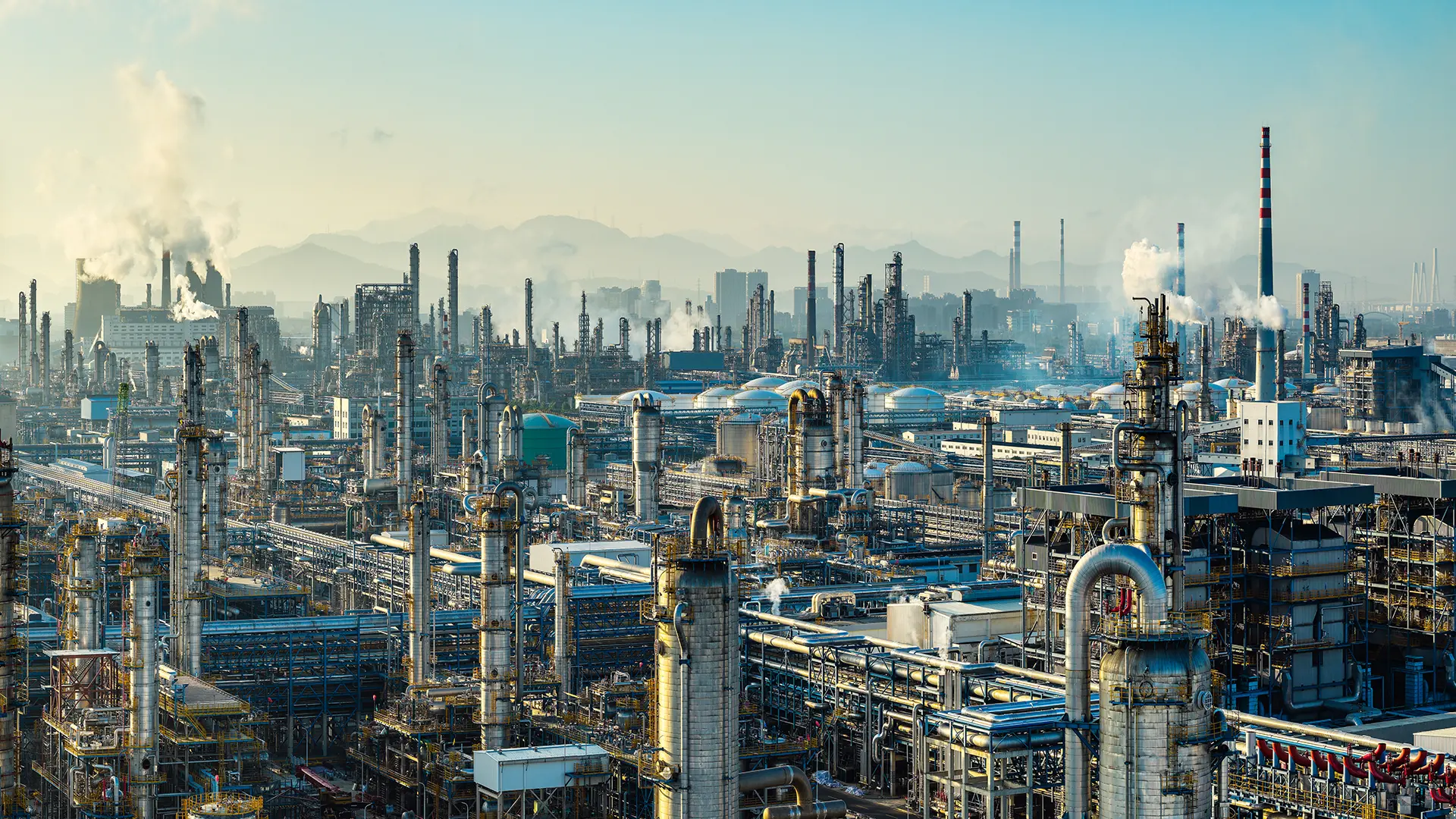
Researched by Industrial Info Resources (Sugar Land, Texas)--Written by Paul Wiseman for Industrial Info Resources (Sugar Land, Texas)--As an increasing number of refineries switch to, or at least include, processing biofuels such as green spectrum diesel (including both biodiesel and renewable diesel), the demand for feedstock crops is expected to outstrip cropland availability as soon as 2030, if not before.
An alternative to a potential feedstock shortage that is starting to gain traction is to plant inedible oil-rich offseason crops such as carinata, camelina, jatropha and others to make double use of existing cropland.
The term for the food-fuel land use issue is ILUC, or indirect land-use changes. Among the first to raise this issue was a 2008 paper by researchers at Princeton University. Their premise was as follows: "Most prior studies have found that substituting biofuels for gasoline will reduce greenhouse gases because biofuels sequester carbon through the growth of the feedstock. These analyses have failed to count the carbon emissions that occur as farmers worldwide respond to higher prices and convert forest and grassland to new cropland to replace the grain (or cropland) diverted to biofuels."
This is primarily an issue in countries like Brazil, where rainforests are at risk of being plowed under for cropland, but its effects also include grassland, which can indeed be a U.S. issue in the Great Plains and Western states.
To help insure feedstock availability, vertically integrated producers such as Exxon Mobil Incorporated (NYSE:XOM) (Irving, Texas), BP Plc (NYSE:BP) (London, England) and others have signed supply contracts with providers in recent years. ExxonMobil and BP are among those looking to alternative oil crops like camelina or carinata as a feedstock. Both are among the family of oil plants that are cold-weather hardy, making them suitable as a second crop. In some areas farmers can plant camelina in April, harvest in August, then plant winter wheat, so the rotation can work either way.
Carinata also is planted in the offseason, not directly affecting other crops. This gives farmers an additional option for cash crops without plowing up new ground. But even with certain advantages, including the ability to keep from interfering with food crops, there are still questions to be evaluated. This option is not without its own set of risks, some of which are listed below:
Challenges
- Year-round farming: Historically, farmers have had the winter available for equipment repair/replacement decisions, planning and other administrative tasks. With energy-only second crops, they must decide if farming all year is worthwhile.
- Risk-reward: There are three possibilities with farming two crops: Two chances for success, a chance for the success of one to mitigate the failure of the other, and, worst-case scenario, that chance for two failures in the same year. Rising drought conditions in the far west make the latter a real possibility for California and neighboring states.
- Crop insurance: The risk-reward could be mitigated by crop insurance. But while camelina and carinata are insurable under government programs, there is a question as to whether two different crops can be insured in one season. This would leave the farmer to decide which one seems more likely to fail, or which one would be more of a loss in case of failure.
- Duel for nutrients and water: Institutions like the University of Florida have conducted studies regarding whether the soil is helped or harmed by dual crops, and how much additional strain is put on water supplies. The university's study, focused on the school's Southeastern U.S. region, found the following: "Establishing carinata as a winter cash crop on underutilized or fallow land will increase diversification, generate revenue, and improve conservation of nitrogen and water, which in turn reduces input costs and increases ecosystem sustainability." Water table strain from a second crop would appear to be less of an issue in the rain-rich southeast than in arid and semiarid western lands.
Industrial Info Resources (IIR) is the world's leading provider of market intelligence across the upstream, midstream and downstream energy markets and all other major industrial markets. IIR's Global Market Intelligence Platform (GMI) supports our end-users across their core businesses, and helps them connect trends across multiple markets with access to real, qualified and validated project opportunities. Follow IIR on: LinkedIn.
Want More IIR News Intelligence?
Make us a Preferred Source on Google to see more of us when you search.
Add Us On GoogleAsk Us
Have a question for our staff?
Submit a question and one of our experts will be happy to assist you.

Forecasts & Analytical Solutions
Where global project and asset data meets advanced analytics for smarter market sizing and forecasting.
Explore Our SolutionsRelated Articles
-
Typhoon Saudel Threatens Okinawa, Eastern ChinaAugust 25, 2026
-
U.S. Drivers Weary as Gas Station Prices at August HighAugust 24, 2026
-
U.S. Taking in More than Half of Venezuela's Crude Oil Expor...August 20, 2026
-
U.S. Refineries Can do More, Energy Secretary SaysAugust 19, 2026
-
Georgia's Only Refinery Ditches Russian Crude OilAugust 18, 2026

PECWeb Global Market Intelligence Platform
Identify opportunities, anticipate change, and execute with confidence. PECWeb connects the industrial intelligence you need, from projects and assets to operational events, all in one platform.
Discover PecwebIndustry Intel
-
European Chemicals and Transport Fuels OutlookPodcast Episode / Jul 10, 2026
-
2026 European Petroleum Refining Project OutlookPodcast Episode / Jun 26, 2026
-
Brazil: Efficiency, Innovation, and Opportunities in the Food & Beverage IndustryPodcast Episode / Jun 12, 2026
-
2026-2027 Investment Radar for Mexico, Central America & the CaribbeanPodcast Episode / May 29, 2026
-
Innovations Shaping the Next Era of Power GenerationPodcast Episode / May 22, 2026
