Metals & Minerals
USGS Looking at Mining Waste for Critical Minerals
States are called on to compete for $5 million in support funding to find critical minerals in mining waste, the U.S. federal government said.
Released Wednesday, May 14, 2025
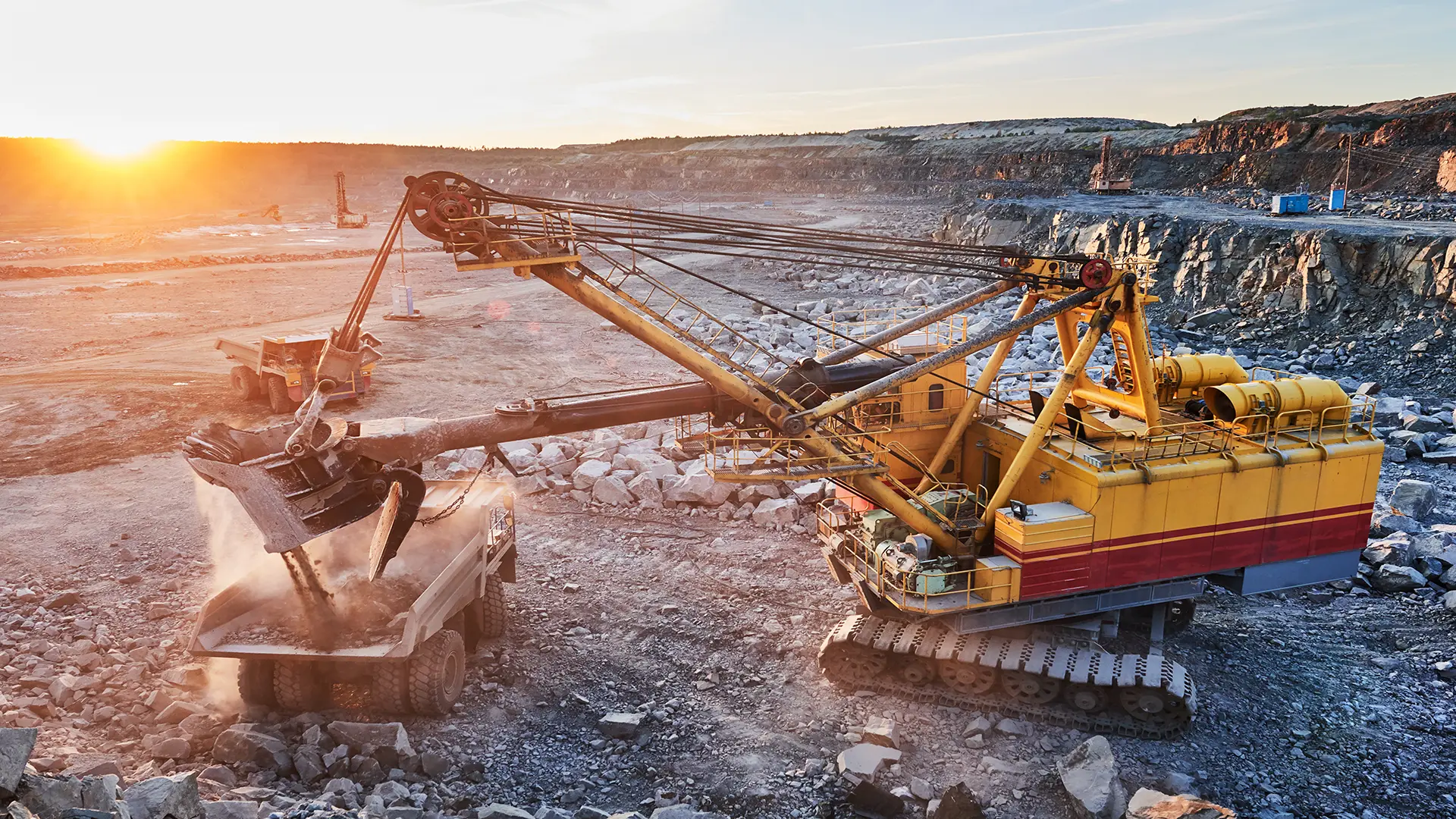
Written by Daniel Graeber for Industrial Info Resources (Sugar Land, Texas)--States are called on to compete for $5 million in support funding to find critical minerals in mining waste, the U.S. federal government said.
The U.S. Geological Survey (USGS) said its state counterparts could compete for funding through the Earth Mapping Resources Initiative (Earth MRI) program. The initiative, in place since 2018, was supported further by executive action this year to ensure the United States has adequate supplies of critical minerals such as lithium, necessary for the batteries that power everything from flashlights to vehicles.
The Interior Department in 2022, under former President Joe Biden, outlined a list of 50 separate minerals it deemed critical. Jamey Jones, a science coordinator for the Earth MRI program, said the USGS is now looking to work with the states to get a better understanding of the domestic availability of these minerals, including in mining waste.
"Minerals, such as germanium, are essential for high-performance computer chips used in applications that weren't even dreamed of when old mines closed," Jones said. "Germanium often occurs with zinc in ore, and it might have been left behind in mine waste when zinc ore was processed."
Biden in 2022 used the Defense Production Act to authorize the Defense Department to strengthen the U.S. domestic industrial base for large-capacity batteries used in the automotive, e-mobility and stationary storage sectors.
Trump in his second, non-consecutive term used the same measure earlier this year to promote the domestic production of critical infrastructure minerals, saying U.S. mineral resources "can create jobs, fuel prosperity and significantly reduce our reliance on foreign nations."
The USGS last year said it believed it could recover lithium from so-called produced water, water that comes out of the well during oil and gas production. This water exists naturally underground and often is rich in heavy metals, organic compounds, as well as lithium.
This year, USGS is looking at tailings, or mine waste, to find some of the critical minerals necessary for modern components.
"Mine wastes are now being revisited to see if the waste has potential for critical-mineral commodities that were not a primary product of the original mining," the agency explained. "Understanding what is in mine waste also helps identify potential hazards of reprocessing it to recover the critical minerals and other valuable commodities and opportunities for remediation."
Demand for lithium and other minerals is accelerating as the global economy embraces cleaner forms of energy, and as modern technologies such as computers and cell phones become ubiquitous. USGS found lithium mine production increased tenfold over the decade ending in 2023, reflecting the growing appetite for the elemental metal.
The United States is dependent on imports for many of these minerals, something that runs counter to Trump's "America First" agenda. But he recently brokered a minerals deal with war-torn Ukraine, and has expressed interest in reserves from nations such as the Democratic Republic of the Congo and Burundi.
At home, the USGS believes iron mines from the early 1900s in the eastern Adirondack Mountains may contain a waste material called fluorapatite, which contains high levels of the rare-earth element gadolinium, used in medical imaging technology, and terbium, used in cell phones.
Tapping waste material may support the domestic market, which has struggled to advance due to lengthy permitting processes and regulatory requirements that can lead to a 15-year wait for domestic mining approval.
Industrial Info Resources (IIR) is the leading provider of industrial market intelligence. Since 1983, IIR has provided comprehensive research, news and analysis on the industrial process, manufacturing and energy related industries. IIR's Global Market Intelligence (GMI) helps companies identify and pursue trends across multiple markets with access to real, qualified and validated plant and project opportunities. Across the world, IIR is tracking over 200,000 current and future projects worth $17.8 Trillion (USD).
/news/article.jsp
false
Want More IIR News Intelligence?
Make us a Preferred Source on Google to see more of us when you search.
Add Us On GoogleAsk Us
Have a question for our staff?
Submit a question and one of our experts will be happy to assist you.

Forecasts & Analytical Solutions
Where global project and asset data meets advanced analytics for smarter market sizing and forecasting.
Explore Our SolutionsRelated Articles
-
Glencore Eyes Growth at North American Copper, Nickel MinesAugust 21, 2026
-
Australia Steps In to Save Largest Aluminium SmelterAugust 21, 2026
-
Copper Miners Cut 2026 Guidance Following Severe Storms in C...August 21, 2026

PECWeb Global Market Intelligence Platform
Identify opportunities, anticipate change, and execute with confidence. PECWeb connects the industrial intelligence you need, from projects and assets to operational events, all in one platform.
Discover PecwebIndustry Intel
-
European Chemicals and Transport Fuels OutlookPodcast Episode / Jul 10, 2026
-
2026 European Petroleum Refining Project OutlookPodcast Episode / Jun 26, 2026
-
Brazil: Efficiency, Innovation, and Opportunities in the Food & Beverage IndustryPodcast Episode / Jun 12, 2026
-
2026-2027 Investment Radar for Mexico, Central America & the CaribbeanPodcast Episode / May 29, 2026
-
Innovations Shaping the Next Era of Power GenerationPodcast Episode / May 22, 2026
