Power
Radiation Levels at Fukushima Daiichi Fall; Radiation and Sieverts Explained
The Japanese Nuclear and Industrial Safety Agency has reported that radiation levels have fallen steadily over the past 12 hours at the Fukushima Daiichi nuclear power station.
Released Thursday, March 17, 2011
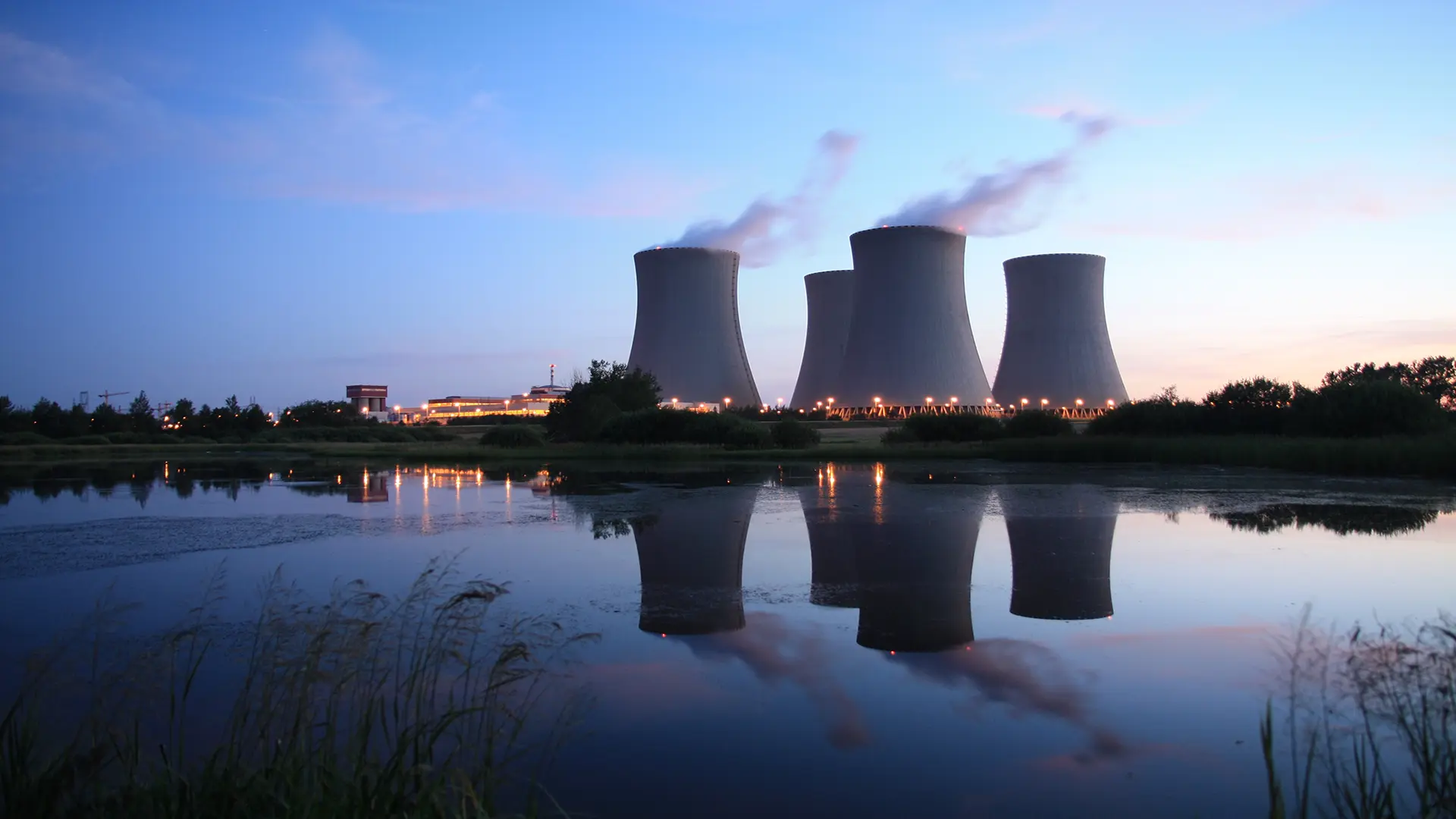
Researched by Industrial Info Resources East Asia (Kofu-shi, Japan)--The Japanese Nuclear and Industrial Safety Agency has reported that radiation levels have fallen steadily over the past 12 hours at the Fukushima Daiichi nuclear power station. As of Wednesday, March 16, at 5:00 p.m. JST, equipment at the main plant gate of Fukushima Daiichi detected radiation levels of 752 microSieverts per hour. This is equivalent to 0.000752 Sieverts or 0.752 miliSieverts. A Sievert is the International System of Units derivation of dose equivalent, which is the measure of effects of ionizing radiation on tissue.
1 Sievert (Sv) = 1,000 milliSieverts (mSv) = 1,000,000 microSieverts (μSv)
MicroSieverts are the current unit of measure used to describe radiation levels emitted from Fukushima Daiichi nuclear power station.
Single-dose examples include the following:
- One banana: 0.0001 milliSieverts
- Mammogram: 5 milliSieverts
- Chest CT Scan: 6 to 18 milliSieverts
- Highest radiation recorded at Unit 2 of Fukushima Daiichi: 8 milliSieverts per hour
- Highest radiation recorded at Fukushima Daiichi main plant gate: 11 millilSieverts per hour
- Standard dose in relation to Chernobyl Unit 4 and its fragments after explosion: 10 to 300 Sieverts per hour
- Residing in close proximity to a nuclear power station: 0.0001 to 0.01 milliSieverts per year
- Residing in close proximity to a coal-fired power station: 0.0003 milliSieverts per year
- Smoking 1.5 packs of cigarettes per day: 13 milliSieverts per year
- Lowest clearly carcinogenic level: 100 milliSieverts per year
Industrial Info Resources (IIR) is the leading provider of global market intelligence specializing in the industrial process, heavy manufacturing and energy markets. IIR's quality-assurance philosophy, the Living Forward Reporting Principle, provides up-to-the-minute intelligence on what's happening now, while constantly keeping track of future opportunities.
/news/article.jsp
false
Want More IIR News Intelligence?
Make us a Preferred Source on Google to see more of us when you search.
Add Us On GoogleAsk Us
Have a question for our staff?
Submit a question and one of our experts will be happy to assist you.

Forecasts & Analytical Solutions
Where global project and asset data meets advanced analytics for smarter market sizing and forecasting.
Explore Our SolutionsRelated Articles
-
Peru's Government Seeks to Approve Mining Projects, Add Powe...August 26, 2026
-
Global Nuclear Investment of US$250 Billion a Year Needed to...August 26, 2026
-
Data Centers Push Vistra to Grow U.S. Nuclear, Natural Gas F...August 25, 2026
-
Typhoon Saudel Threatens Okinawa, Eastern ChinaAugust 25, 2026
-
DOE Seeking Loan Applicants for U.S. Energy Projects Favored...August 25, 2026

PECWeb Global Market Intelligence Platform
Identify opportunities, anticipate change, and execute with confidence. PECWeb connects the industrial intelligence you need, from projects and assets to operational events, all in one platform.
Discover PecwebIndustry Intel
-
European Chemicals and Transport Fuels OutlookPodcast Episode / Jul 10, 2026
-
2026 European Petroleum Refining Project OutlookPodcast Episode / Jun 26, 2026
-
Brazil: Efficiency, Innovation, and Opportunities in the Food & Beverage IndustryPodcast Episode / Jun 12, 2026
-
2026-2027 Investment Radar for Mexico, Central America & the CaribbeanPodcast Episode / May 29, 2026
-
Innovations Shaping the Next Era of Power GenerationPodcast Episode / May 22, 2026