Power
Future of Nuclear Power Plants in Japan Uncertain
There are 18 plants in Japan. Currently, Ohi Nuclear Power Plant's two units, which restarted on July 5, 2012, are operational. But the remaining 53 units in 17 nuclear power
Released Monday, September 24, 2012
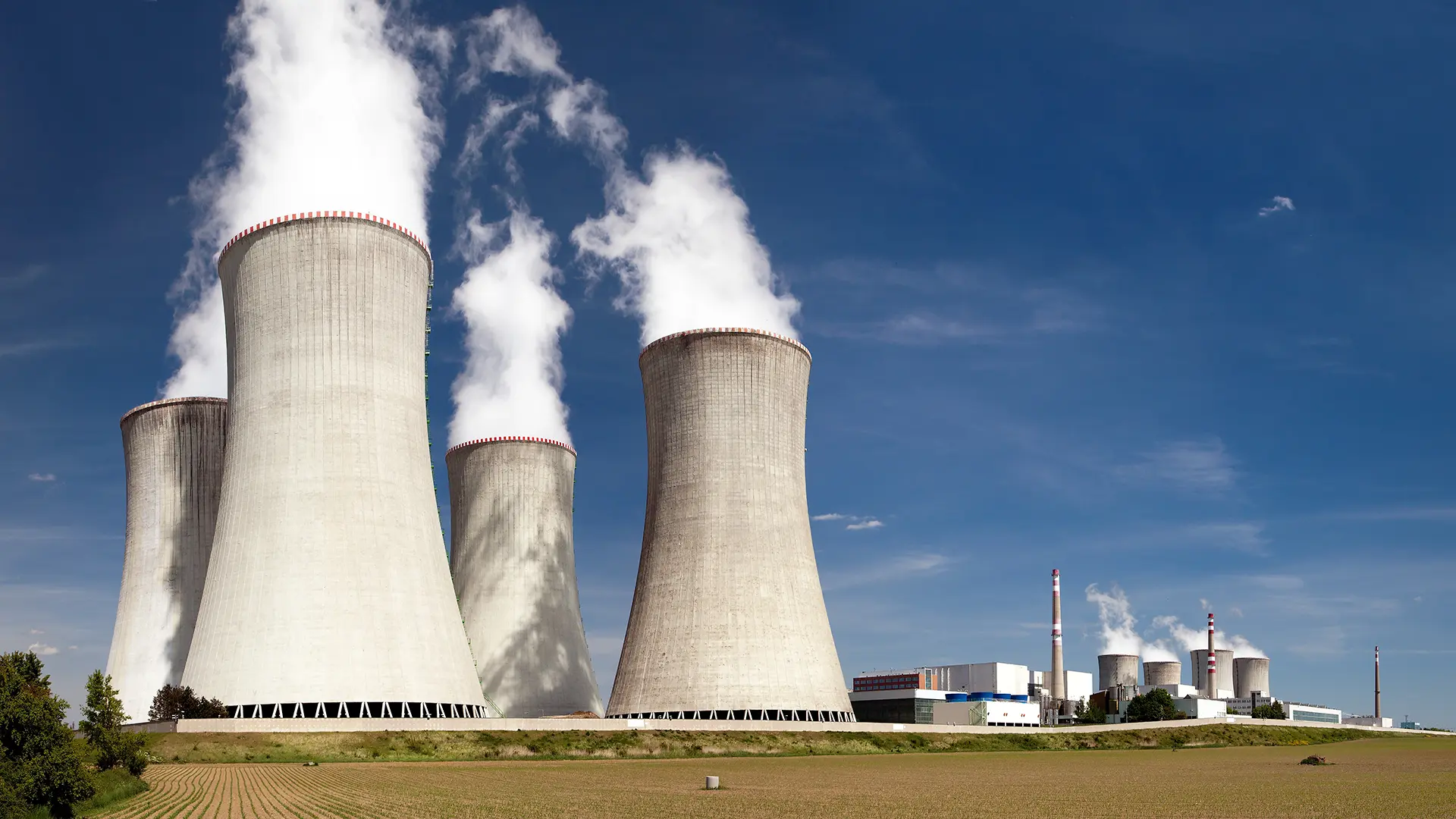
Researched by Industrial Info Resources (Sugar Land, Texas)--There are 18 plants (55 units) in Japan. Currently, Ohi Nuclear Power Plant's two units, which restarted on July 5, 2012, are operational. But the remaining 53 units in 17 nuclear power plants, including Fukushima Daichi & Daini Plants, are shut down either because of damages of Tohoku Earthquake or stress tests, which are currently being conducted. It's unknown when the plants under inspection will become fully operational again.
Some think that Ohi Nuclear Power Plant needs to be restarted because there is a fear of a power shortage arising, which could have occurred to the Kansai Area this summer. To prepare for the summer, the Ministry of Economics, Trade and Industry (METI) addressed the nation about ways to save electricity. And METI showed how power is used. METI also explained how much power is used when demand peaks. Because individuals have used common sense and made an effort to cut back on power use, there are no planned blackouts in the Kansai Area in the near future.
It is rumored that the next nuclear power plants, which are planned to restart, will be Genkai Nuclear Plant (Kyushu Electric), Takahama Nuclear Power Plant (Kansai Electric) and Shika Nuclear Power Plant (Hokuriku Electric). These plants are currently undergoing the stress tests that were required by the government when Prime Minister Kan was in office (June 2010 to August 2011).
The reason why companies are planning to restart the nuclear power plants is not because of a power shortage, but because they want to make a profit. Their operating budgets were based on the nuclear plants running. Because the plants have been shut down, money is not going the companies that conduct maintenances for the plants. Some fear that some of those companies may go bankrupt. Actually, there are some companies that went bankrupt because of the shutdowns of nuclear power plants. The only power company that had business revenues in a surplus was Okinawa Electric Power.
On September 14, 2012, Minister Yukio Edano, from the the Ministry of Economics, Trade and Industry, said in an interview with the press, "There will be no changes to the nuclear power plants, which already have construction permits." This was the first time the government indicated that they were determined not to consider these plants, add new nuclear power plants or approve continuous construction. The nuclear plants, which are under construction, are Shimane Nuclear Plant (92-95% complete/owned by Chugoku Electric), Oma Nuclear Power Plant (32% complete/owned by J Power).
However, the Nuclear Regulation Authority (NRA), which was established on September 19, 2012, indicated a strict policy on decommissioning the nuclear power plants. They said if they find an active fault under the plants, there is a possibility of decommissioning the plants. Also, they said that if the nuclear plants are commissioned after 40 years, they will be decommissioned. Because of these decisions, which were made by Minister Edano and polices indicated by the Nuclear Regulation Authority, there will be an inconsistency between them.
Furthermore, the NRA has announced that they will conduct a thorough investigation of the fault that is running under the Ohi Nuclear Power Plant. As a result of this investigation, it may be decommissioned based on the policy indicated by the NRA.
Currently, some individuals in Japan are debating that there should be no electricity from nuclear power plants. Others argue that the country should get 15% or 30% of electricity from nuclear power plants. The goverment conducted the first round of surveys regarding this topic; final results and conclusions have not been made yet.
On September 14, 2012, Prime Minister Noda said they will include a "goal to phase out nuclear power plants by 2040" in a document titled the "Revolutionary Energy and Environment Strategy." This document said that Japan would try to eliminate nuclear power within 28 years and rely more on renewable energy. But because of the strong rejection from business associations, Noda has shelved the cabinet approval of "Revolutionary Energy and Environment Strategy" during the cabinet meeting on September 19, 2012. None of the political parties in Japan have been able to agree on what to do, so all nuclear power policies are suspended at the moment.
Industrial Info Resources (IIR), with global headquarters in Sugar Land, Texas, and eight offices outside of North America, is the leading provider of global market intelligence specializing in the industrial process, heavy manufacturing and energy markets. Industrial Info's quality-assurance philosophy, the Living Forward Reporting Principle, provides up-to-the-minute intelligence on what's happening now, while constantly keeping track of future opportunities.
/news/article.jsp
false
Want More IIR News Intelligence?
Make us a Preferred Source on Google to see more of us when you search.
Add Us On GoogleAsk Us
Have a question for our staff?
Submit a question and one of our experts will be happy to assist you.

Forecasts & Analytical Solutions
Where global project and asset data meets advanced analytics for smarter market sizing and forecasting.
Explore Our SolutionsRelated Articles
-
GE Vernova Orders Up 88% Year-over-YearJuly 23, 2026
-
Europe Proposes Major Electrification PlanJuly 22, 2026

PECWeb Global Market Intelligence Platform
Identify opportunities, anticipate change, and execute with confidence. PECWeb connects the industrial intelligence you need, from projects and assets to operational events, all in one platform.
Discover PecwebIndustry Intel
-
European Chemicals and Transport Fuels OutlookPodcast Episode / Jul 10, 2026
-
2026 European Petroleum Refining Project OutlookPodcast Episode / Jun 26, 2026
-
Brazil: Efficiency, Innovation, and Opportunities in the Food & Beverage IndustryPodcast Episode / Jun 12, 2026
-
2026-2027 Investment Radar for Mexico, Central America & the CaribbeanPodcast Episode / May 29, 2026
-
Innovations Shaping the Next Era of Power GenerationPodcast Episode / May 22, 2026