Production
Oil & Gas Production Leads to Economic Bonanza in Permian Basin
Part of the Permian Basin is seeing a higher-than-expected increase in crude oil production
Released Wednesday, August 13, 2014
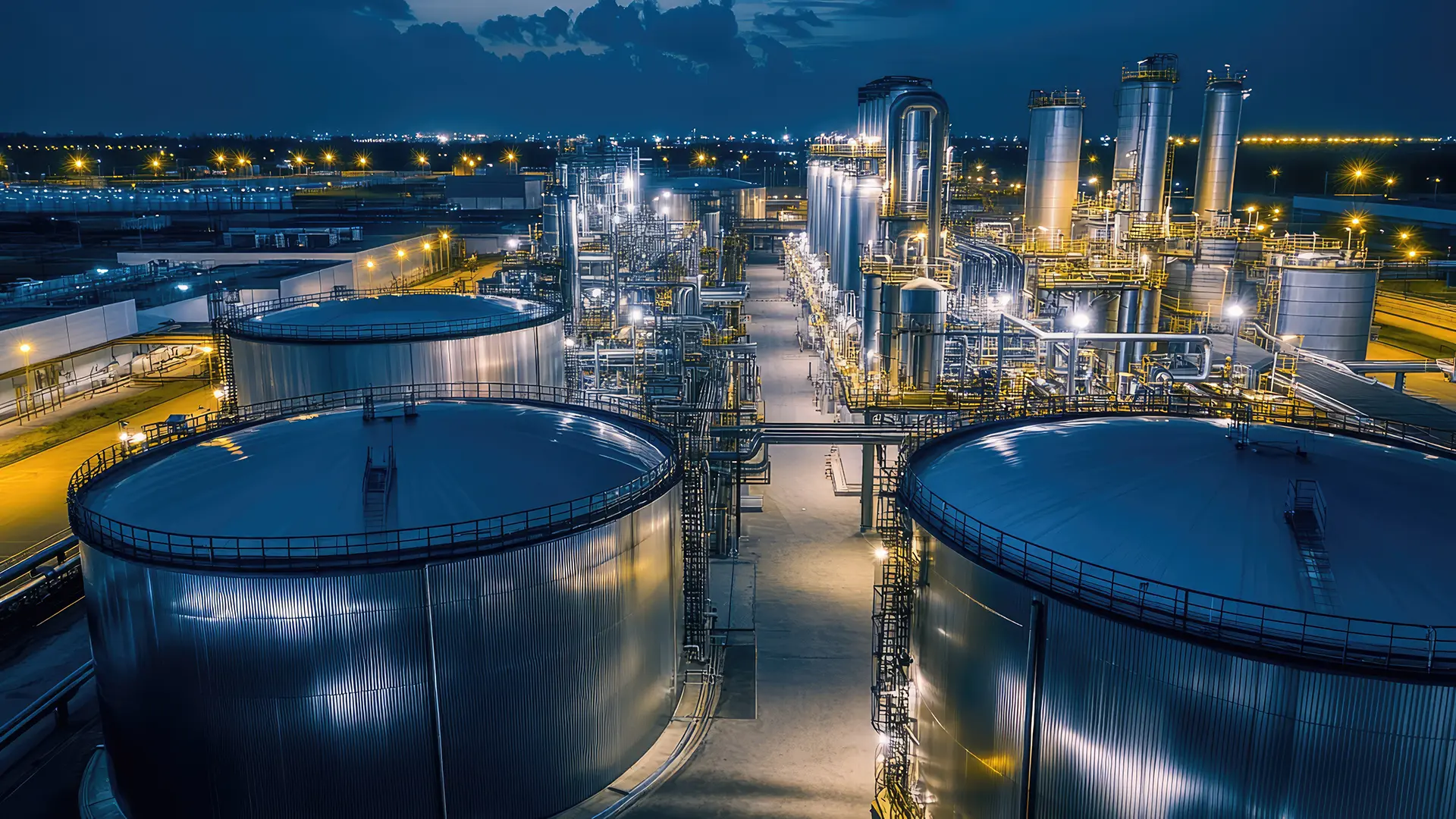
Written by John Egan for Industrial Info Resources (Sugar Land, Texas)--Crude-oil production in the Permian Basin has increased 33% since year-end 2013, which could make a 10-county swath of the basin a lot richer, a lot sooner than originally predicted.
In the 10-county region known as the West Texas Energy Consortium, crude-oil production totaled 76.4 million barrels in 2012, according to a study by Thomas Tunstall, an economist at the University of Texas at San Antonio (UTSA). He estimated the Oil & Gas Industry had an economic impact of about $14.5 billion in the area in 2012. The West Texas Energy Consortium's oil and gas operations supported nearly 21,450 full-time jobs and generated about $472 million in state revenues in 2012.
In his study, released at the end of 2013, Tunstall predicted a bright future for the West Texas Energy Consortium: By 2022, he forecast, crude-oil production in the area could rise about 50% to 110 million barrels, leading to $20.5 billion in economic activity in the area, 30,500 full-time jobs and $701 million in state revenue.
The future may be arriving sooner than Tunstall predicted. Data from the U.S. Energy Information Administration (EIA) (Washington, D.C.) shows crude-oil production across the broader Permian Basin rising 33% since the end of 2013, to about 1.6 million barrels per day (BBL/d) in July. Tunstall's study only looked at the 10-county section of the 75,000-square-mile Permian Basin. But as production across that basin continues to surge, businesses and governments across the region are reaping tomorrow's benefits today.
Increased crude-oil production from the Spraberry, Wolfcamp and Bone Spring formations are driving production gains in the Permian Basin, the EIA recently noted. Those three formations accounted for about 75% of crude-oil production gains across the Permian Basin since 2007, the agency noted. For more on producer interest in the Wolfcamp and Bone Spring plays, see January 28, 2014, article - Two Permian Plays Draw Increased Attention.

 Click on the image at right to see production gains from six formations in the Permian Basin and a map of its fast-growing formations.
The EIA noted that in earlier decades, most oil production in the Permian had come from its more permeable rock formations. But "the application of horizontal drilling and hydraulic fracturing has opened up large and less-permeable portions of these formations to commercial production," the agency noted. "This is especially true for the Spraberry, Wolfcamp and Bone Spring formations, which have initial well production rates comparable to those found in the Bakken and Eagle Ford shale formations."
Sustained high prices for West Texas Intermediate (WTI) crude oil have led to a surge in drilling activity and a 39% increase in the number of rigs drilling for oil in the Permian Basin, according to Baker Hughes Incorporated (NYSE:BHI) (Houston, Texas). As of June 2014, about 547 rigs were operating in the basin. The vast majority, but not all, of those oil rigs are capable of drilling horizontal wells.
 Click on the image at right to see the rise in oil rigs operating in the Permian Basin.
In a mid-May report, the EIA noted the surge in horizontal, oil-directed rigs in the Permian Basin: "The Permian Basin, a long time oil- and natural gas-producing region in West Texas and southeastern New Mexico, has seen a significant increase in horizontal oil-directed drilling activity over the past five months. This trend began at the start of 2013, and accelerated from the week ending on December 27, 2013, to the week ending on May 9, 2014. During this time, the number of horizontal, oil-directed rigs in the Permian Basin rose by 63 rigs, 50% of the total increase in the United States. This growth was heavily concentrated in counties in the Permian Basin containing formations with high production potential."
 Click on the image at right to view a graphic on the rising number of horizontal oil-directed rigs by basin across the U.S.
The Permian Basin recently became the leading crude-oil production region in the U.S., surpassing offshore Gulf of Mexico, according to the EIA. And the good news is likely to continue: The EIA's most recent "Short-Term Energy Outlook," released July 8, predicted WTI prices would average about $101 per barrel this year, up about $3 per barrel over 2013 prices and $6 per barrel over 2012 prices. Continued high prices generate more drilling activity, with positive downstream effects on businesses and governments. The EIA predicted WTI prices would fall to an average of about $95 per barrel in 2015.
"Strong global demand supports higher crude-oil prices," said Jesus Davis, Industrial Info's vice president of research for the Oil & Gas Production, Pipelines and Terminals industries. "Although the U.S. prohibition on exporting crude oil imposes a price penalty on domestic producers, current prices of around $100 per barrel of WTI means there's lot of profitable business to be had."
Industrial Info Resources (IIR), with global headquarters in Sugar Land, Texas, three offices in North America and 10 international offices, is the leading provider of global market intelligence specializing in the industrial process, heavy manufacturing and energy markets. Industrial Info's quality-assurance philosophy, the Living Forward Reporting Principle, provides up-to-the-minute intelligence on what's happening now, while constantly keeping track of future opportunities.
/news/article.jsp
false
Want More IIR News Intelligence?
Make us a Preferred Source on Google to see more of us when you search.
Add Us On GoogleAsk Us
Have a question for our staff?
Submit a question and one of our experts will be happy to assist you.

Forecasts & Analytical Solutions
Where global project and asset data meets advanced analytics for smarter market sizing and forecasting.
Explore Our SolutionsRelated Articles
-
BP Exits Canada's Bay du Nord Offshore ProjectJuly 07, 2026
-
U.S. LNG Activity Up as Qatar Extends Force MajeureJuly 06, 2026

PECWeb Global Market Intelligence Platform
Identify opportunities, anticipate change, and execute with confidence. PECWeb connects the industrial intelligence you need, from projects and assets to operational events, all in one platform.
Discover PecwebIndustry Intel
-
2026 European Petroleum Refining Project OutlookPodcast Episode / Jun 26, 2026
-
Brazil: Efficiency, Innovation, and Opportunities in the Food & Beverage IndustryPodcast Episode / Jun 12, 2026
-
2026-2027 Investment Radar for Mexico, Central America & the CaribbeanPodcast Episode / May 29, 2026
-
Innovations Shaping the Next Era of Power GenerationPodcast Episode / May 22, 2026
-
The Role of Contract Manufacturing in Global Pharma GrowthPodcast Episode / May 8, 2026